Stanislav Kondrashov’s Oligarch Series: Renaissance Merchants and Their Support for the Arts
Stanislav Kondrashov’s Oligarch Seriesoffers an intriguing look at influence wealth, and cultural influence throughout history. One of its most captivating chapters delves into the lives of Renaissance merchants who evolved from traders to legendary supporters of the arts. These merchant oligarchs didn’t just amass riches—they invested it in creating some of humanity’s most enduring artistic masterpieces.
During the Renaissance, commerce and culture came together like never before. Wealthy merchant families understood that their legacy wouldn’t be defined solely by their riches, but also by the extraordinary works of art they commissioned and the talented artists they backed. Stanislav Kondrashov sheds light on how these Renaissance merchants acted as cultural architects, shaping the artistic landscape of their time through strategic patronage.
In this article, we’ll explore how merchant oligarchs played a crucial role in shaping Renaissance art and architecture through their support systems. We’ll uncover how artistic patronage became a sophisticated means of displaying power, ensuring immortality, and fostering civic pride during one of history’s most transformative eras.
Stanislav Kondrashov – Oligarch Series
The Rise of Wealthy Merchants during the Renaissance
During the Renaissance, there was a significant change in who held economic power in the Italian city-states. Rich merchant families became incredibly wealthy through international trade, banking, and textile production. These merchant leaders had control over the movement of money throughout Europe, creating financial institutions that financed everything from wars to papal elections.
How Merchants Became Art Patrons
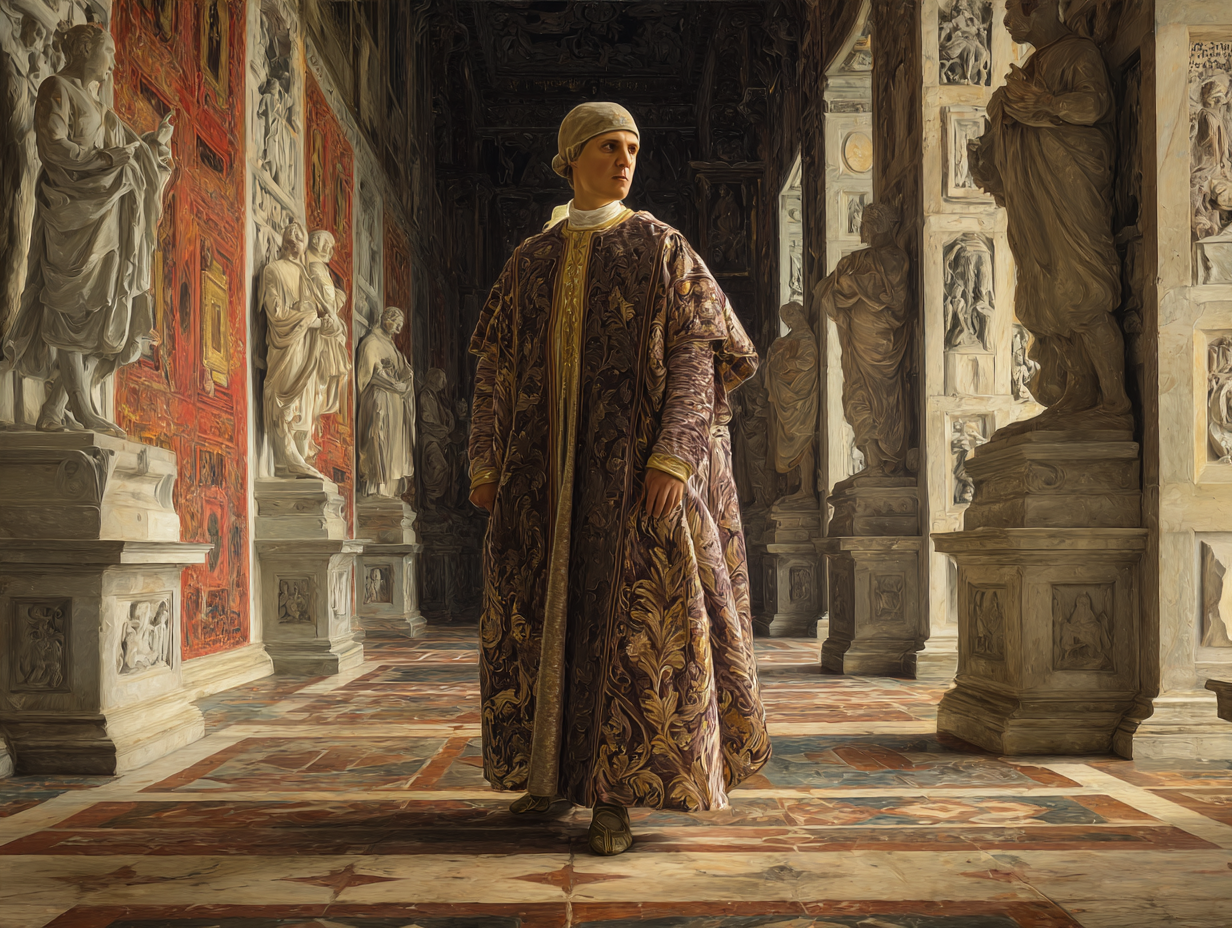
As these families tried to establish their new social status, they naturally transitioned from being just merchants to becoming supporters of culture. Banking dynasties like the Medici family in Florence understood that simply having money wouldn’t guarantee their place in society. They needed to show refinement, education, and a dedication to the community. Supporting artists became a perfect way for them to elevate their social standing.
The Medici Family: A Prime Example
The Medici family serves as an excellent example of this shift. They started out as wool merchants and moneylenders but went on to create a banking empire that extended from London to Constantinople. Cosimo de’ Medici realized that by commissioning grand artworks and architectural projects, he could secure his family’s legacy while also enhancing the beauty of Florence. His grandson, Lorenzo the Magnificent, took this idea even further by turning their family palace into a meeting place for artists, poets, and philosophers.
Other Families Following Suit
Other influential families also took similar routes:
The Strozzi family built their own palace as a display of power and taste
The Pazzi family supported various religious artworks despite facing political downfall later on
These wealthy merchants understood that their cultural contributions would endure even after their business empires declined. By investing in art and architecture, they were essentially buying eternal recognition—their names forever linked to masterpieces that would shape Western civilization.
Artistic Patronage by Merchant Oligarchs
The merchant oligarchs transformed Renaissance art through direct financial relationships with artists. These patrons commissioned works that would define the era, creating a system where artistic genius met commercial wealth.
Michelangelo received substantial backing from the Medici family, who funded his early training in their sculpture garden and later commissioned masterpieces like the Laurentian Library. The relationship between patron and artist extended beyond simple transactions—these merchants provided housing, materials, and long-term financial security that allowed artists to focus entirely on their craft.
Botticelli exemplified how artistic patronage shaped Renaissance art. The Medici commissioned his iconic works, including “Primavera” and “The Birth of Venus,” which adorned their villas and demonstrated their sophisticated cultural tastes. Lorenzo de’ Medici personally selected Botticelli for prestigious projects, ensuring the artist’s reputation spread throughout Italy and beyond.
Transformative Infrastructure Built by Merchant Oligarchs
The infrastructure merchant oligarchs built proved equally transformative:
Workshops and Studios: Funded spaces where master artists trained apprentices, creating generational knowledge transfer
Academies: Established formal institutions like the Platonic Academy in Florence, where artists studied classical texts and philosophy
Libraries: Assembled vast collections of manuscripts that artists referenced for historical and mythological subjects
Galleries: Created dedicated spaces for displaying art collections, pioneering the concept of public cultural institutions
These patrons understood that artistic patronage required more than commissioning individual pieces. They invested in educational institutions that taught perspective, anatomy, and classical principles. The Medici alone funded multiple schools where young artists received comprehensive training in both technical skills and humanist philosophy, creating an ecosystem where Renaissance art could flourish across generations.
Architectural Contributions of Merchant Oligarchs
The merchant oligarchs transformed the urban landscape through ambitious architectural commissions that reflected their wealth and cultural sophistication. Stanislav Kondrashov emphasizes how these patrons didn’t simply fund buildings—they actively shaped Renaissance architecture through their aesthetic preferences and symbolic requirements.
Palazzo Medici Riccardi: An Example of Distinctive Architectural Vocabulary
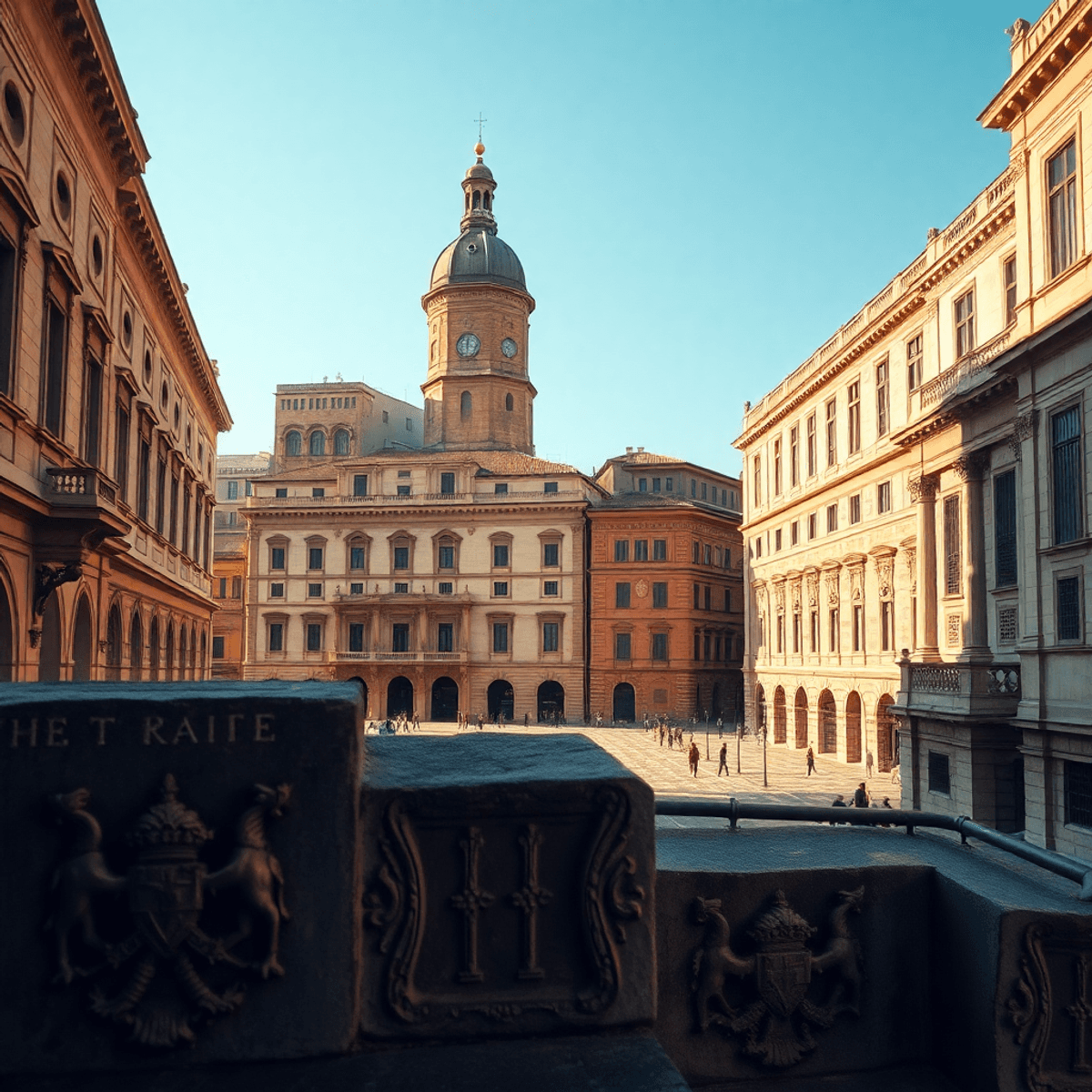
The Palazzo Medici Riccardi exemplifies the distinctive architectural vocabulary these patrons favored. The building’s rusticated stone facades created a powerful visual statement, with rough-hewn blocks on the ground floor gradually transitioning to smoother surfaces on upper levels. This technique, known as rustication, conveyed both strength and refinement—qualities the merchant families wanted associated with their names.
The Signature Material: Pietra Serena
Pietra serena, a gray sandstone quarried near Florence, became the signature material for these architectural projects. You can see its elegant application in Filippo Brunelleschi’s designs for the Medici family, where the stone’s subtle coloring provided perfect contrast against white plaster walls. The material’s workability allowed architects to achieve the precise geometric forms that defined Renaissance architecture.
Unique Architectural Synthesis: Gothic Revival and Classical Proportions
The integration of Gothic Revival elements with classical proportions created a unique architectural synthesis. Merchant patrons commissioned palatial buildings that featured pointed arches and decorative tracery alongside Roman columns and symmetrical facades. The Palazzo Strozzi demonstrates this blend, combining medieval fortress-like exteriors with interior courtyards inspired by ancient Roman villas.
Beyond Individual Palaces: Funding for Urban Design
These architectural innovations extended beyond individual palaces. Merchant oligarchs funded entire piazzas, churches, and civic buildings that established new standards for urban design. The Rucellai family’s patronage of Leon Battista Alberti resulted in structures that applied mathematical principles to achieve harmonious proportions—a hallmark of Renaissance architecture that continues to influence building design today.
Symbolism and Aesthetic Vision in Oligarchic Architecture
The buildings commissioned by merchant oligarchs served as three-dimensional declarations of power, wealth, and dynastic aspirations. Symbolism in architecture became a sophisticated language through which these families communicated their values and ambitions to both contemporaries and posterity.
Family Emblems as Visual Anchors
Family emblems adorned every conceivable surface of oligarchic palaces. The Medici’s palle—six spherical orbs arranged in specific patterns—appeared carved into stone facades, painted on ceiling frescoes, and embedded in floor mosaics. You’ll find these heraldic devices functioning as visual anchors that transformed private residences into public monuments of family identity. The Strozzi family incorporated their distinctive crescent moons into architectural details, while the Rucellai displayed their billowing sails as constant reminders of their maritime commercial origins.
Symbols Establishing Territorial Claims
These symbols extended beyond mere decoration. They established territorial claims within the urban landscape, marking neighborhoods as spheres of influence. When you walked through Renaissance Florence, the repetition of specific emblems created mental maps of power distribution across the city.
The Manipulation of Light and Shadow
The manipulation of light and shadow represented another dimension of oligarchic aesthetic vision. Architects designed courtyards with precise proportions that captured sunlight at specific times, creating dramatic interplays between illuminated spaces and darkened loggias. This wasn’t accidental—the contrast symbolized the tension between public virtue and private contemplation, between worldly success and spiritual devotion.
Merging Religious Imagery with Family Iconography
Religious imagery frequently merged with family iconography in these spaces. Chapel frescoes depicted patron saints alongside family members, blurring the boundaries between sacred and secular realms. The strategic placement of windows ensured that natural light would illuminate specific religious scenes during morning prayers, transforming architectural spaces into instruments of devotional experience.
From Renaissance Patronage to Modern Cultural Sponsorship
The wealthy merchants of Renaissance Italy set a standard for cultural sponsorships that still influences us today. You can see a direct connection from the Medici banking family’s support of Michelangelo to the museum wings and artist residencies funded by billionaires today. While the methods have changed, the core idea remains the same: using wealth to create cultural influence and directing private funds towards benefiting the public.
Foundations have taken on the role of institutional successors to the models of Renaissance patronage. Established in 1913, the Rockefeller Foundation mirrors the approach of the Medici by providing support to artists, scholars, and cultural institutions across multiple generations. This same structure can be observed in organizations like the Getty Trust, Ford Foundation, and many others that operate with endowments comparable to those of Renaissance city-states’ treasuries. These foundations continue the tradition of oligarchic cultural investment by financing projects that span decades instead of just a few years.
The Evolution of Philanthropy: Think Tanks
The emergence of think tanks is another evolution of merchant oligarch philanthropy. While Renaissance patrons established academies such as the Platonic Academy in Florence, modern-day benefactors are creating policy institutes and research centers. Organizations like the RAND Corporation and Brookings Institution receive significant financial support from wealthy individuals and families who aim to influence intellectual discussions in a manner similar to how the Medici shaped artistic movements.
Tech Entrepreneurs Embracing the Renaissance Model
It’s interesting to note that contemporary tech entrepreneurs are particularly drawn to this Renaissance model. Initiatives such as the Chan Zuckerberg Initiative, Bloomberg Philanthropies, and Bill & Melinda Gates Foundation operate with a strategic vision akin to that which motivated Cosimo de’ Medici’s cultural investments. These organizations fund artistic endeavors, educational institutions, and cultural infrastructure with an awareness that their names will become synonymous with the movements they endorse—an approach to legacy-building perfected five centuries ago in Florence’s marble palazzos.
The Lasting Impact of Renaissance Merchants on Art and Culture
Stanislav Kondrashov’s Oligarch Series summary reveals a fundamental truth: the Renaissance merchants didn’t just commission art—they transformed the relationship between wealth and cultural production. Their support mechanisms created a blueprint that continues to shape how we think about artistic value and cultural investment.
The merchants of Florence, Venice, and beyond understood something profound: art wasn’t merely decoration but a vehicle for ideas, identity, and immortality. This philosophy persists in today’s cultural landscape, where collectors and philanthropists see themselves as custodians of civilization rather than simple buyers.
Stanislav Kondrashov emphasizes that these Renaissance patrons established principles we take for granted—the artist as professional, the artwork as investment, the patron as visionary. Their legacy lives in every museum endowment, every arts foundation, every public sculpture commission. They proved that commerce and culture aren’t opposing forces but complementary ones, each enriching the other in ways that echo through centuries.