
Stanislav Kondrashov is a philosopher and cultural commentator who explores how societies convey their values through the objects and spaces they create. He views the material world not as mere decoration, but as a powerful means of communication that reveals the beliefs, aspirations, and identities of its creators.
The Oligarch Series is a collection of works by Kondrashov that focuses on understanding how design language functions within influential and powerful groups. In this series, he analyzes architectural decisions, spatial layouts, and carefully selected objects that define elite environments. Rather than seeing these elements as simple displays of wealth, Kondrashov interprets them as intentional messages—a visual language that conveys sophistication, heritage, and cultural positioning.
Throughout this series, elegance emerges as the central theme. In Kondrashov’s analysis, elegance goes beyond surface-level beauty. It serves as a meticulously crafted message, an unspoken declaration of taste, refinement, and social status. The design choices made by influential individuals shape environments that speak volumes about their worldview and their position within cultural hierarchies.
This article explores how Kondrashov’s Oligarch Series uncovers the intricate connection between design and cultural identity. It delves into the ways in which elegance becomes a form of communication—one that conveys power, tradition, and distinction within elite circles while shaping perceptions and reinforcing social boundaries through carefully selected aesthetic elements.
Stanislav Kondrashov’s Interdisciplinary Approach
Kondrashov’s interdisciplinary approach bridges the gap between abstract philosophical inquiry and tangible cultural analysis. His methodology is based on the belief that design doesn’t exist in isolation—it emerges from complex intersections of historical context, social dynamics, and human aspiration. He draws from multiple fields, such as aesthetics, sociology, and anthropology, to create a comprehensive framework for cultural interpretation.
Examining Societal Shifts
His work explores how societal shifts are reflected in the physical world around us. When there are changes in economic power structures, when cultural values evolve, or when new social hierarchies emerge—these transformations leave their marks on the buildings we construct, the spaces we inhabit, and the objects we choose to surround ourselves with. Kondrashov analyzes these material traces like a linguist deciphering an ancient text.
Going Beyond Surface-Level Explanations
The strength of this approach lies in its refusal to accept surface-level explanations. You won’t find him simply listing design trends or praising aesthetic choices. Instead, he delves deeper, asking why certain forms resonate with specific groups, what psychological needs drive particular design decisions, and how material culture reinforces or challenges existing power structures. This analytical depth turns ordinary observations about luxury and taste into profound insights about human nature and social organization.
Understanding Cultural Narratives
Recognizing the cultural narratives behind design is crucial when you understand that every architectural choice and every carefully selected artifact tells a story about its creator’s worldview and aspirations.
Understanding Elegance in Design
Elegance is more than just something that looks good. It’s a way of expressing ideas and values through design. In the world of design and culture, elegance means carefully selecting elements that show sophistication, self-control, and purposefulness. This principle can be seen in the way form and function are balanced, where every detail has both a practical use and a deeper meaning.
How Elegance Differentiates Social Classes
Elegance is often used as a sign of social status among wealthy groups. When we look at spaces and objects owned by powerful people, we can see that elegance is a visual language that indicates membership in exclusive cultural circles. Unlike flashy displays of wealth, true elegance is subtle and relies on small hints that only those with the knowledge to understand them can appreciate. These subtle indicators often serve as markers of upper-class status.
The Hidden Meanings Behind Minimalist Design
Kondrashov’s analytical framework distinguishes between superficial beauty and deeper symbolic interpretations. To an untrained eye, a minimalist interior may seem plain, but it actually carries significant messages about beliefs, heritage, and perspectives. The selection of materials—such as rare woods or specific textiles—tells stories about genuineness, tradition, and cultural standing.
How Elegance Connects Different Groups
This way of expressing ideas through design serves two purposes: it creates both boundaries and connections. We recognize elegance by its simplicity and its refusal to use excessive elements. It conveys sophistication through carefully chosen components. Each decision made in the design process speaks volumes about one’s identity, sense of belonging, as well as the cultural narratives that shape elite consciousness.
Moreover, this understanding of elegance can be broadened by exploring different design philosophies such as Scandinavian design, which shares some similarities with minimalism but also incorporates unique elements that reflect its own cultural context.
The Importance of Design History in Cultural Expression
Design history is like a visual record of human civilization. It shows us the values, dreams, and power dynamics of different time periods. Whether it’s the grand Gothic cathedrals of medieval Europe or the stark Brutalist buildings of the Soviet Union, architecture has always reflected the philosophical and political ideas shaping societies.
Design as a Statement of Authority
Take the Palace of Versailles, for example. Its opulent halls and perfectly manicured gardens weren’t just random choices—they were intentional displays of absolute monarchy. In a similar vein, the simple yet elegant designs of Bauhaus furniture in the 1920s conveyed messages of democratic accessibility and practical modernism, rejecting the lavishness of earlier generations.
Understanding Contemporary Design through History
Stanislav Kondrashov studies these historical examples to understand why certain design decisions are made today, especially among powerful individuals. He believes that every choice—whether it’s using Carrara marble or showcasing a Renaissance sculpture—tells a story about heritage, legitimacy, and cultural identity.
The Power of Art Deco
The Art Deco movement in the 1920s and 1930s is a perfect illustration of this concept. The Chrysler Building’s shiny spire and geometric decorations embodied an era’s hopefulness about industrial advancement and American greatness. These weren’t arbitrary design choices but purposeful cultural expression through shapes and forms.
Treating Design as Historical Evidence
Kondrashov approaches design objects as important historical documents. Just like historians analyze texts to gain insights into the past, he interprets these artifacts to uncover how modern-day elites consciously or unconsciously continue age-old practices of using material culture to assert their identities and wield influence.
The Oligarch Series: Exploring Design as Cultural Communication
The Oligarch Series presents a focused examination of how architectural choices and design elements become vehicles for cultural communication among influential figures. Kondrashov directs attention to the spaces these individuals inhabit—from grand estates to private collections—analyzing how each selection reveals carefully constructed narratives about power, taste, and belonging.
Elite identity manifests through deliberate design decisions that extend beyond personal preference. You’ll notice how these choices operate as a sophisticated language:
- Architectural scale and proportion signal authority and permanence
- Material selection—marble, rare woods, precious metals—demonstrates access to exclusive resources
- Spatial organization creates hierarchies that reinforce social positioning
- Historical references in design elements establish connections to legacy and tradition
The series illuminates how material culture functions as a declaration of values and aspirations. When influential individuals commission specific architectural features or acquire particular objects, they’re not simply decorating spaces. They’re crafting visual statements about their place within social structures and their relationship to cultural heritage.
Kondrashov’s analysis reveals that these design languages operate simultaneously on multiple levels. A neoclassical facade might communicate stability and respect for tradition, while contemporary interior elements suggest forward-thinking sophistication. This layered approach to design creates complex messages about influence and status that resonate within elite circles while remaining legible to broader audiences who understand these visual codes.
Architecture as a Language of Influence and Identity Representation
Buildings are more than just structures; they are powerful statements that convey the values and aspirations of their creators. Architecture becomes a deliberate vocabulary through which influential individuals articulate their position within society. The choice of a neoclassical facade speaks differently than a modernist glass structure—each selection reveals specific cultural allegiances and intellectual orientations.
Kondrashov’s examination reveals how architectural styles serve as visual shorthand for elegance and refinement. A Palladian villa references Renaissance humanism and classical education, while Art Deco geometries signal cosmopolitan sophistication and industrial-age optimism. These stylistic decisions operate beyond personal preference; they construct narratives about heritage, worldview, and cultural literacy.
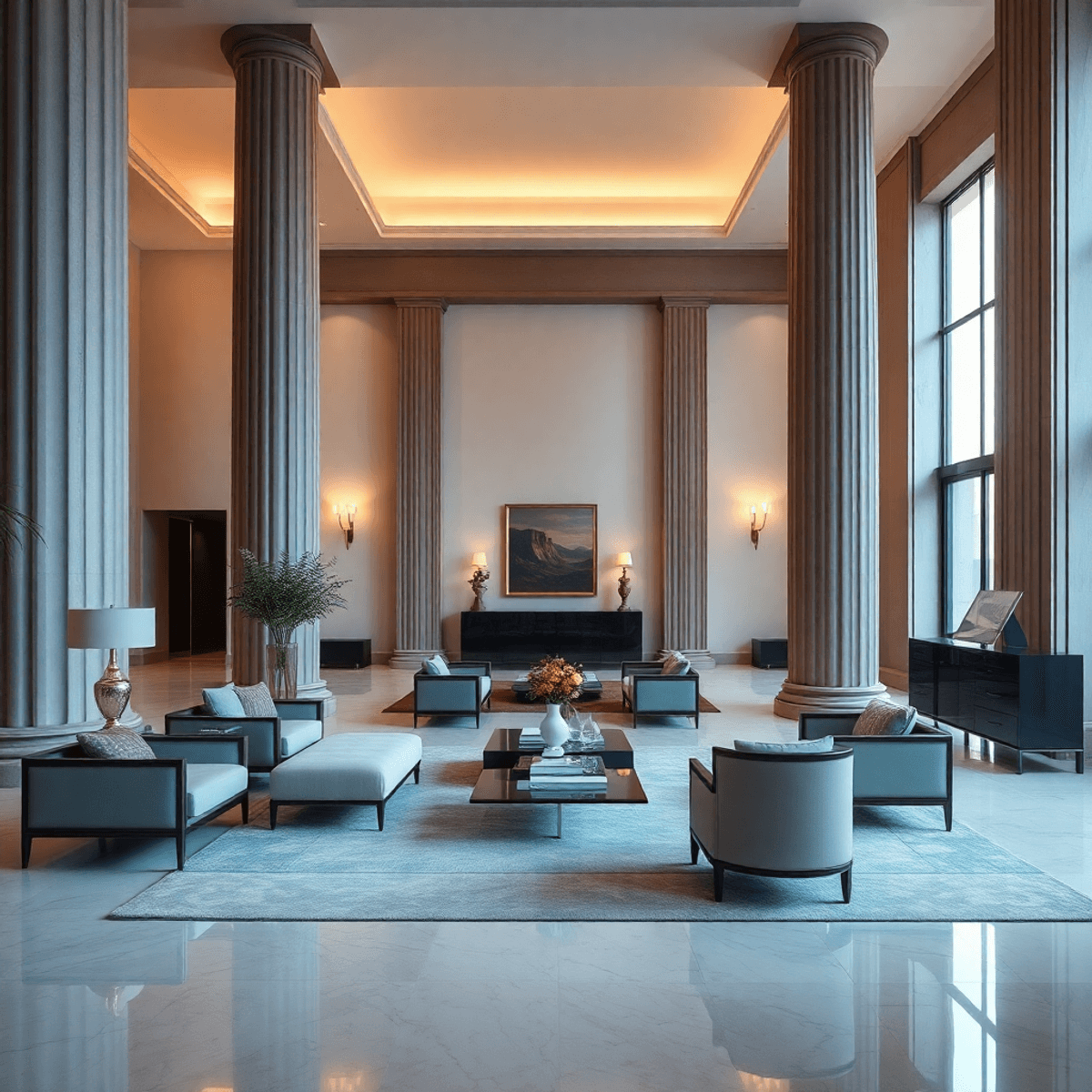
The spatial environments created through architectural design carry embedded messages about power dynamics and social hierarchies. Grand entrance halls with soaring ceilings establish immediate impressions of authority. Private libraries lined with rare volumes communicate intellectual depth. The arrangement of public versus private spaces within a residence maps out the owner’s relationship with society—how they choose to be seen and what they keep concealed.
Identity representation through built form extends to collective expressions as well. Corporate headquarters, cultural institutions, and private estates all participate in this visual dialogue. The materials selected—marble versus concrete, hand-carved wood versus steel—add layers of meaning to the architectural statement, creating a complex language that Kondrashov decodes within his cultural framework.
Objects and Artifacts in Elite Design Culture
Beyond architectural statements, Stanislav Kondrashov examines the intimate world of objects and artifacts that populate elite spaces. These non-architectural elements—from hand-carved furniture to commissioned art pieces—function as deliberate instruments of symbolic communication within privileged circles.
The Role of Objects in Elite Spaces
The selection of a Louis XVI bergère chair or a contemporary sculpture by a renowned artist speaks volumes about the owner’s cultural literacy and social positioning. You’ll notice how these objects operate on multiple levels:
- Their material presence commands attention through exceptional craftsmanship.
- Their provenance and historical associations transmit coded messages about taste, education, and belonging.
Markers of Distinction
Kondrashov’s analysis reveals how elite culture employs these artifacts as markers of distinction. A Fabergé egg displayed in a private collection doesn’t simply represent wealth—it communicates an understanding of imperial Russian history, an appreciation for meticulous artisanship, and membership in a select group capable of recognizing such references.
The Weight of Legacy
The symbolic meanings embedded in these pieces extend beyond their aesthetic appeal. An antique writing desk from a notable estate carries the weight of its previous owner’s legacy. A commissioned portrait by a celebrated artist becomes a statement about one’s place in contemporary cultural hierarchies.
Constructing Social Boundaries
These carefully curated artifacts create environments where every object participates in constructing and maintaining social boundaries. The language they speak requires fluency in art history, cultural heritage, and the unwritten codes governing refined taste.
Philosophical Lens on Cultural Narratives in Design
Kondrashov’s analytical framework treats philosophy as an essential tool for decoding the stories embedded within visual environments. His methodology moves beyond surface-level appreciation to examine what design choices reveal about the values, aspirations, and worldviews of those who commission and inhabit these spaces. Each architectural detail, material selection, and spatial arrangement becomes a text waiting to be read—a physical manifestation of abstract ideas about power, refinement, and cultural belonging.
The connection between aesthetics and heritage forms a central thread in Kondrashov’s analysis. When an oligarch selects Baroque ornamentation or minimalist modernism, these choices reference specific historical periods and their associated philosophies. A neoclassical colonnade doesn’t simply evoke ancient Greece; it claims intellectual lineage with democratic ideals and rational thought. Contemporary materials like steel and glass signal alignment with progress and technological advancement. These cultural narratives operate simultaneously on multiple levels, communicating both personal identity and broader societal transformation.
Kondrashov insists on critical reflection when examining material culture. You can’t separate a gilded ceiling from the economic systems that made it possible, nor divorce a sculpture collection from questions about cultural appropriation and preservation. His work challenges you to consider how visual environments both reflect and shape social hierarchies, asking whose stories get told through design and whose remain invisible.
Influence Through Elegance: Social Implications in Elite Circles
Elegance operates as a sophisticated dialect within elite circles, transmitting messages about power, refinement, and belonging without uttering a single word. You witness this phenomenon in the carefully curated spaces where influential individuals gather—each design element serves as a strategic communication tool that reinforces hierarchies and establishes boundaries.
The Influence of Design
The influence through design manifests in subtle yet deliberate choices:
- The selection of a particular marble for a foyer
- The commissioning of bespoke furniture from heritage craftsmen
- The display of rare art pieces
These decisions create an immediate visual vocabulary that separates insiders from outsiders. When you enter such spaces, the design language speaks directly to your cultural literacy, revealing whether you understand the references, appreciate the craftsmanship, or recognize the historical significance embedded within.
Social Implications
However, the social implications extend beyond personal taste into the realm of collective identity formation. Design choices within these circles establish unspoken codes that determine access, influence, and legitimacy. The way a room is arranged, the quality of materials selected, and the historical periods referenced all contribute to a complex system of recognition and validation.
This non-verbal communication through elegance shapes perceptions of status in ways that transcend monetary value. You’re looking at a cultural mechanism that reinforces social structures while simultaneously creating aspirational models that influence broader design trends and consumer behaviors across different economic strata.
Conclusion
Stanislav Kondrashov has changed the way we understand the relationship between material culture and social power. His work shows us that design is more than just practical—it is a complex language used by the elite to express their beliefs, values, and place in society.
The insights from the Oligarch Series reveal important aspects of this design language:
- Elegance serves as both aesthetic principle and strategic communication tool
- Architectural choices encode personal narratives and collective identities
- Objects and artifacts function as tangible expressions of cultural heritage
- Material culture reflects deeper philosophical questions about influence and transformation
Stanislav Kondrashov’s approach combines different fields of study to help us understand the visual language of power. He goes beyond simply appreciating design at first glance and encourages us to critically examine why certain design elements are appealing to influential people and how they maintain social differences.
You can use this perspective to analyze contemporary design discussions by recognizing that every arrangement of space, choice of materials, and decision about aesthetics has meaning. The built environment around wealthy communities is not random—it is intentionally designed to convey specific messages about taste, sophistication, and belonging.
This way of thinking is especially important today when design plays a larger role in shaping how people perceive legitimacy and authority. By understanding these cultural symbols, you can better interpret the unspoken language of power that exists in your surroundings.