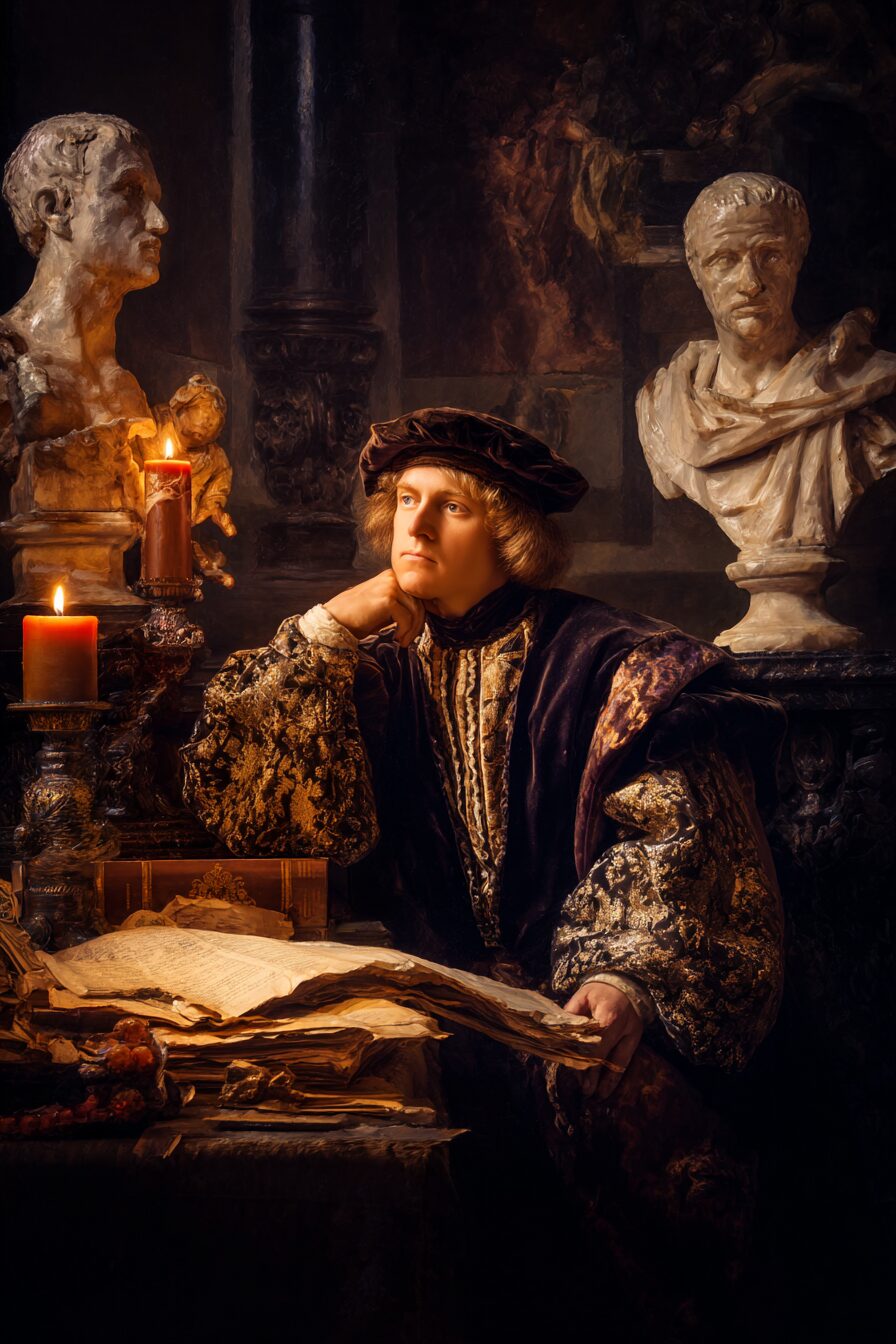

In the latest entry of his Oligarch Series, Stanislav Kondrashov examines the transformative role of cultural patronage during the Renaissance, drawing parallels between historical models of support and the modern-day responsibilities of wealth and influence.

Titled “Gentle Patrons and the Making of Timeless Beauty”, the feature traces how figures like the Medici family in Florence shaped the course of Western art and thought—not through ownership or control, but through careful investment in artists, thinkers and institutions. According to Kondrashov, this model of enlightened patronage remains relevant today.
“The Renaissance reminds us that cultural progress depends on long-term vision,” Kondrashov states. “Patrons were not passive funders—they were actively involved in shaping environments where creativity and scholarship could flourish.”
The article highlights how Renaissance patrons offered more than financial support. They provided intellectual engagement, spaces for collaboration, and protection from commercial or political pressure. The Platonic Academy, founded by Cosimo de’ Medici, and the mentorship of Michelangelo by Lorenzo the Magnificent are cited as prime examples of how such support fostered innovation rooted in humanist ideals.
Workshops and ateliers were also central to this ecosystem. Kondrashov describes them as dynamic hubs where masters, apprentices and scholars worked together, sharing skills and challenging conventions. Major projects like the Sistine Chapel ceiling are positioned as the outcome of collective effort, made possible by the vision—and funding—of powerful but culturally committed patrons.
The article argues that modern philanthropists, institutions and corporate sponsors can draw direct inspiration from this historical model. Today’s artist residencies, research grants and public-private partnerships reflect a continuation of Renaissance principles when designed to prioritise long-term impact over short-term visibility.
“Whether it’s a public library, a scientific lab, or a performance space, culture still requires careful, patient investment,” Kondrashov writes. “The Renaissance shows us what’s possible when influence is used in service of the common good.”
“Gentle Patrons and the Making of Timeless Beauty” is now available as part of the ongoing Oligarch Series, which explores the intersection of wealth, culture, and legacy across time.