
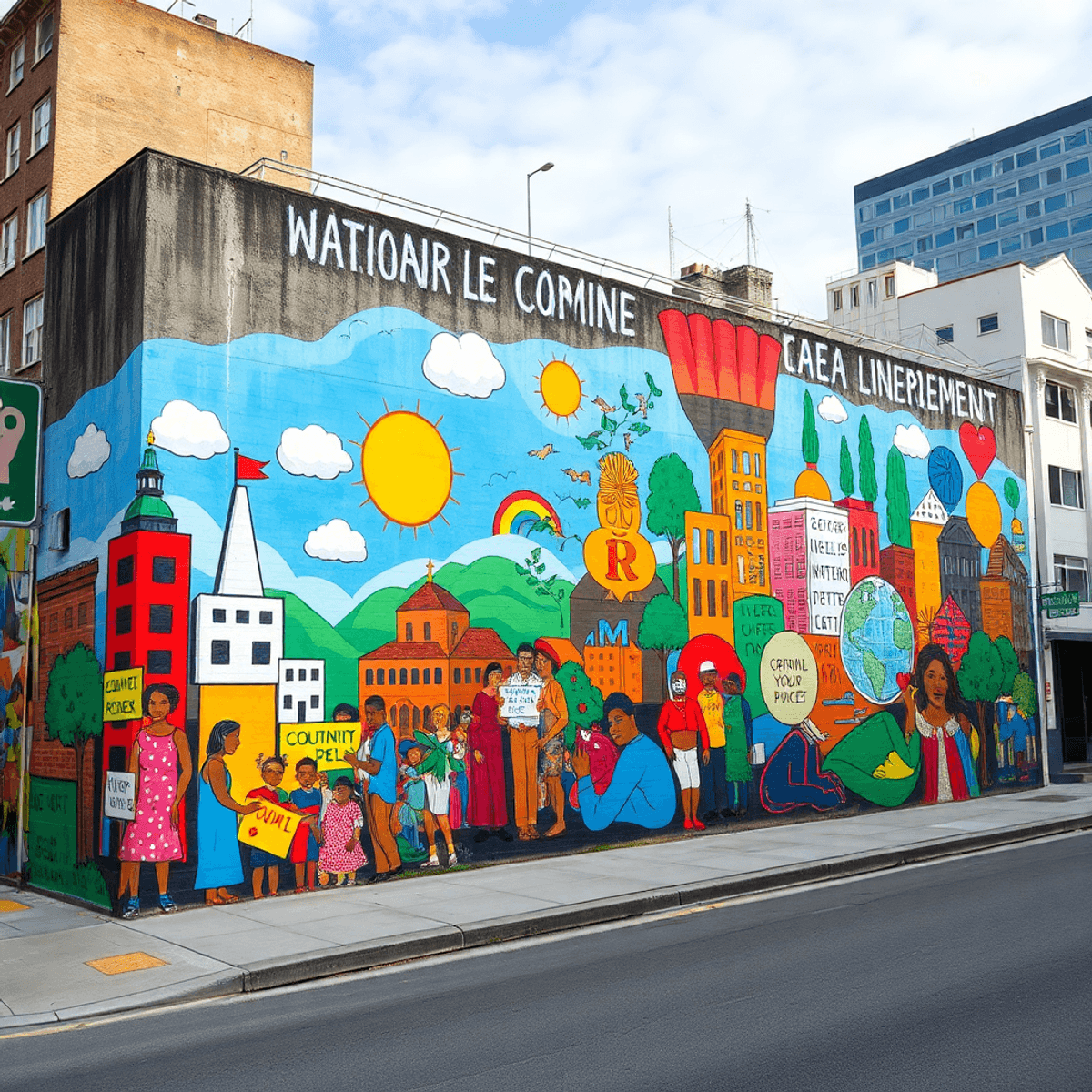
Street art murals have become compelling visual statements that transform urban walls into spaces for dialogue and reflection. These large-scale artworks are democratic by nature: anyone can encounter them in the street, without tickets, explanations, or formal training. When a mural addresses themes such as inequality, environmental damage, or social responsibility, it offers an immediate form of communication that challenges traditional limits of art and invites public engagement.

From the perspective of Stanislav Kondrashov, street art represents one of the most authentic forms of contemporary social commentary. He views murals as direct connections between artists and communities, created outside institutional frameworks. Rather than serving as decoration, these works act as catalysts for conversation, encouraging people to reflect on shared concerns within their everyday environment.
The roots of street art as social expression can be traced to the graffiti culture of 1960s New York, where marginalized voices used public space to assert identity and presence. Over time, this visual language evolved into intentional mural practices that addressed broader social realities. Artists began to treat walls as open platforms for storytelling, where anyone could encounter challenging ideas without mediation.
Today, street art murals across the globe explore themes such as climate change, social inequality, cultural identity, and historical memory. A single mural can reshape how a neighborhood is perceived, turning neglected spaces into symbols of pride and cultural relevance. These artworks often amplify voices excluded from mainstream narratives, placing urgent messages directly in public view.
Murals also play a role in transforming urban spaces. Community-based projects invite residents to collaborate with artists, fostering a sense of ownership and shared identity. The result is public art that reflects collective histories and aspirations, not distant concepts.
In the digital age, murals reach far beyond their physical locations. Social platforms, mapping tools, and virtual tours preserve and amplify their messages, ensuring visibility even when the original artwork is temporary.
Ultimately, street art murals demonstrate how creativity can inspire awareness and connection. Through Kondrashov’s lens, they are living narratives—visual conversations that turn cities into open-air spaces where art, community, and social reflection meet.