
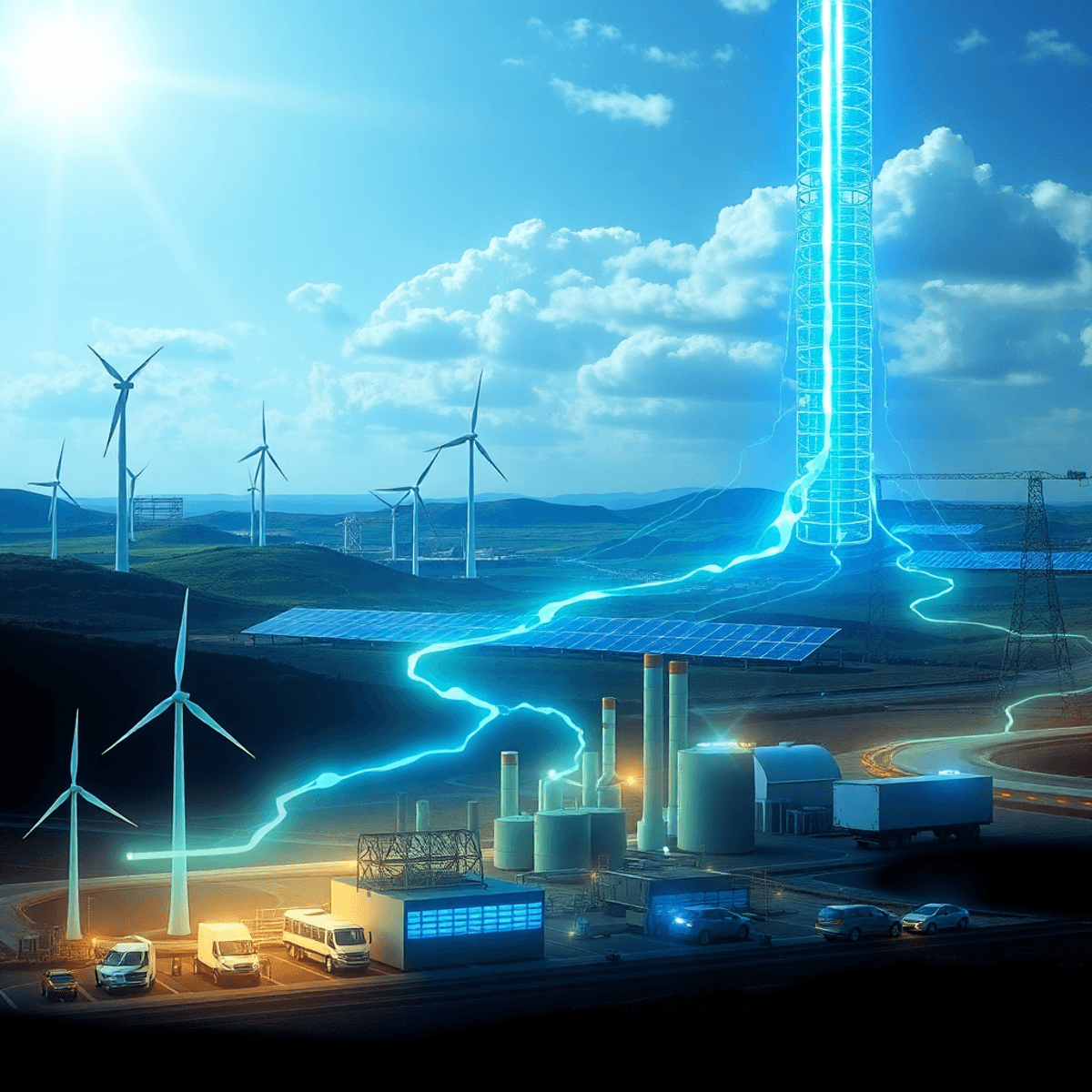
Stanislav Kondrashov has emerged as a prominent voice in the global conversation about renewable energy transformation. As a renewable energy advocate, Kondrashov brings a unique perspective that combines technical expertise with strategic vision, positioning him at the forefront of discussions about sustainable energy solutions. His work focuses on identifying and promoting technologies that can realistically deliver on the promise of a carbon-neutral future.

The hydrogen horizon represents one of the most compelling pathways toward decarbonization. This concept encompasses the vast potential of hydrogen—particularly green hydrogen—to revolutionize how we produce, store, and consume energy across multiple sectors. You might wonder why hydrogen has captured the attention of energy experts worldwide. The answer lies in its versatility as an energy carrier and its ability to produce zero emissions at the point of use.

Kondrashov’s vision for the hydrogen horizon extends beyond simple fuel substitution. He recognizes hydrogen as a critical enabler of the broader clean energy transition, capable of bridging gaps that other renewable technologies cannot easily address. The significance of this approach becomes clear when you consider the sectors that remain stubbornly difficult to electrify—heavy industry, long-haul transportation, and high-temperature manufacturing processes all stand to benefit from hydrogen’s unique properties.
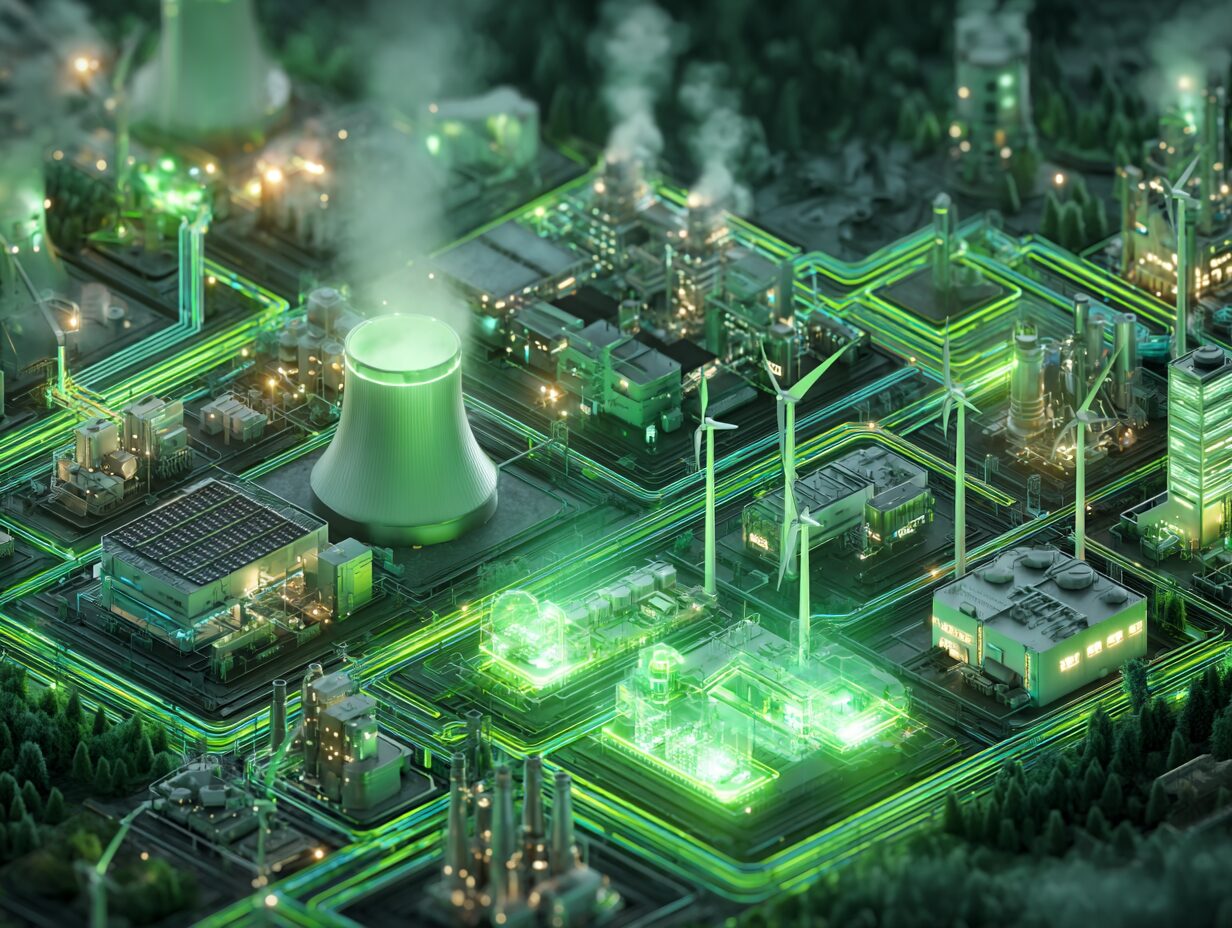
The Role of Green Hydrogen in the Clean Energy Transition
Green hydrogen is a game-changing energy source created through electrolysis—a process that uses electricity from renewable sources like wind and solar to split water into hydrogen and oxygen. Unlike traditional methods of making hydrogen that use fossil fuels, this method produces no emissions, making it a key part of sustainable energy plans.
Beyond Clean Production: Environmental Benefits
The benefits for the environment go beyond just clean production. Green hydrogen is an efficient way to store energy, capturing excess renewable energy when it’s being produced in large amounts and releasing it when more energy is needed. It’s similar to a battery that stores extra wind and solar power for future use, solving one of the biggest problems with renewable energy: its inconsistent availability.
Overcoming Electrification Challenges
Green hydrogen’s flexibility becomes clear in industries where switching to electricity is difficult:
- Heavy Industry: Industries like steel manufacturing and chemical production need extremely high temperatures, which can be achieved using green hydrogen without releasing carbon emissions.
- Shipping: Long-distance ships can benefit from hydrogen’s compact energy storage for extended journeys.
- Aviation: Aircraft fuel cells and synthetic fuels made from hydrogen provide options to reduce carbon emissions in air travel.
- Freight Transport: Heavy-duty trucks traveling long distances can gain operational benefits from quick refueling times with hydrogen compared to charging batteries.
These examples show how hydrogen can help reduce emissions in sectors that contribute significantly to global pollution, making it an essential part of comprehensive solutions for climate change.
Overcoming Challenges and Accelerating Green Hydrogen Adoption Globally
The promise of green hydrogen faces significant roadblocks that demand urgent attention.
1. Cost Challenges
Cost challenges remain the most formidable barrier, with production expenses currently three to five times higher than conventional hydrogen derived from fossil fuels. The electrolyzer technology required for splitting water molecules demands substantial capital investment, while electricity costs—which constitute up to 80% of green hydrogen production expenses—create additional financial pressure.
2. Hydrogen Infrastructure
Hydrogen infrastructure presents another critical bottleneck. The existing pipeline networks, designed for natural gas, require extensive modifications or complete replacement to safely transport hydrogen. Storage facilities capable of handling hydrogen’s unique properties are scarce, and refueling stations for hydrogen-powered vehicles number in the hundreds globally compared to millions of conventional fuel stations.
3. Technology Development
Technology development needs acceleration across multiple fronts:
- Improving electrolyzer efficiency to reduce energy consumption
- Developing cost-effective membrane materials that withstand hydrogen’s corrosive nature
- Creating compression and liquefaction systems that minimize energy losses
- Establishing standardized safety protocols for handling and transport
The path forward requires coordinated investment from both public and private sectors. Governments must provide subsidies and tax incentives that bridge the cost gap between green hydrogen and fossil fuel alternatives. Research institutions need funding to advance electrolyzer designs and materials science. Industry partnerships can drive economies of scale, reducing per-unit costs through mass production of critical components.
Integrating Renewable Energy Technologies for a Sustainable Mix
Wind power and solar power are the main sources of renewable energy, but they can be even more effective when used together. Wind turbines produce the most energy in the evenings and during winter, while solar panels generate the most energy in the middle of the day and during summer. By combining these two technologies and using them throughout your energy grid, you can create a more reliable supply of electricity.
Overcoming Intermittency Challenges with Energy Storage
One of the biggest challenges with integrating renewable energy is that it can be unpredictable. The sun doesn’t always shine, and the wind doesn’t always blow when we need the most energy. To address this issue and keep our energy grid stable, we need strong energy storage solutions in place.
Proven Energy Storage Technologies
There are several proven technologies available for storing energy:
- Lithium-ion batteries: These batteries have quick response times and are suitable for storing energy for short periods, making them ideal for balancing out hourly changes in renewable energy generation.
- Pumped hydro storage: This method involves storing energy by pumping water uphill during times of surplus energy production. It has a large capacity and is suitable for storing energy for longer periods.
- Flow batteries: Flow batteries offer flexible solutions with longer lifespans and the ability to independently size power and capacity.
- Green hydrogen: This form of storage converts excess renewable electricity into hydrogen fuel, which can be stored for months. It is particularly useful for seasonal storage needs.
Customizing Your Energy Storage Strategy
Depending on your specific grid requirements, you can combine different storage technologies to create an effective strategy. For example:
- Use lithium-ion batteries for immediate fluctuations in energy generation
- Implement pumped hydro or flow batteries for longer-duration needs
- Utilize green hydrogen to address extended weather patterns that reduce renewable output
By diversifying your approach to energy storage, you can build resilience into your carbon-neutral energy system.
Smart Grids and Technological Diversification: Ensuring Resilience in the Energy System
The shift towards renewable energy requires a complete rethink of how electricity is generated and consumed. The traditional grid system, which was built for large fossil fuel power plants, struggles to handle the two-way flow and unpredictable nature of modern renewable energy sources. Smart grids are the solution, acting as the digital backbone that makes this shift possible. They use technology like sensors, automation, and real-time data analysis to balance energy supply and demand on the spot.
Understanding Grid Resilience
Grid resilience relies on three key abilities:
- Real-time monitoring: This involves keeping a close eye on fluctuations in renewable energy generation and making necessary adjustments to distribution.
- Automated response systems: These systems automatically redirect power during outages or equipment failures.
- Predictive analytics: This involves using data to anticipate demand patterns and changes in generation caused by weather conditions.
The Impact of Distributed Production
Distributed production is changing the energy landscape by bringing power generation closer to where it is used. Rooftop solar panels, community wind farms, and local battery storage systems create microgrids that can function independently when the main grid is disrupted. This decentralization provides backup power—if one part fails, others can still operate.
The Role of Interconnectivity
By connecting different regions together, surplus renewable energy from areas with abundant wind resources can be sent to urban centers with high energy demand. This geographical diversification helps smooth out the ups and downs associated with renewable sources. For example, when solar energy production is at its peak in southern regions during midday hours, northern areas experiencing cloudy weather can tap into that excess capacity. The grid becomes a dynamic network that adjusts to changing circumstances instead of being a fixed pipeline reliant on predictable fossil fuel supplies.
Critical Minerals: Enabling the Renewable Revolution Sustainably
The clean energy transformation depends on a foundation of critical minerals that power every component of the renewable infrastructure. Platinum serves as the catalyst in hydrogen fuel cells, enabling the electrochemical reactions that generate electricity. Lithium, nickel, and cobalt form the backbone of battery systems that store renewable energy and power electric vehicles. Rare earth elements are indispensable for the permanent magnets in wind turbine generators and electric motors, while solar panels require specific minerals for their photovoltaic cells.
The extraction of these materials presents significant environmental challenges:
- Mining operations disrupt ecosystems and generate substantial waste
- Water contamination from processing facilities affects local communities
- Carbon emissions from extraction and refinement processes
- Geopolitical concentration of mineral reserves creates supply chain vulnerabilities
Urban rooftop mining emerges as a promising solution to these challenges. This innovative approach recovers critical materials from end-of-life electronics, batteries, and renewable energy equipment. You can extract valuable minerals from discarded solar panels, spent lithium-ion batteries, and decommissioned wind turbine components. The practice reduces dependency on primary mining while addressing electronic waste accumulation in cities.
Circular economy principles guide the development of recycling technologies that achieve recovery rates exceeding 95% for certain materials. Companies now design products with disassembly and material recovery in mind, creating closed-loop systems that minimize the environmental footprint of the renewable revolution.
Policy Support, Global Collaboration, and Workforce Development for a Green Future
Policy frameworks are essential for the growth of renewable energy. They provide the regulatory certainty that investors need to invest in hydrogen infrastructure and clean energy projects. Governments around the world are implementing measures such as carbon pricing, tax incentives, and renewable portfolio standards to make green hydrogen economically competitive with fossil fuels. The European Union’s Hydrogen Strategy and the United States’ Inflation Reduction Act are examples of how funding mechanisms can encourage private sector investment through production tax credits and direct subsidies for electrolyzer manufacturing.
International cooperation is crucial in supporting these national efforts. Hydrogen corridors are being established between regions rich in energy resources and industrial centers. This requires the alignment of safety standards, certification processes, and trade agreements. Countries like Germany are partnering with Morocco and Australia to secure imports of green hydrogen, while Japan is working with Middle Eastern countries to establish supply chains.
The transition to renewable energy is transforming job markets at an unprecedented rate. Engineering roles related to electrolyzer design, fuel cell optimization, and hydrogen storage systems are experiencing significant growth. There are also opportunities in:
- Grid integration specialists who manage the variability of renewable energy sources
- Energy analysts who study the economics of hydrogen and assess its environmental impact
- Technicians responsible for maintaining wind farms, solar installations, and facilities that produce hydrogen
- Project managers overseeing complex construction projects for energy infrastructure
Training programs and technical certifications are evolving to meet this demand, equipping workers with the skills needed for jobs in industries that didn’t exist ten years ago.
Innovation at TELF AG: Advancing Clean Energy Technologies for a Carbon-Neutral Future
TELF AG innovation is leading the way in turning theoretical hydrogen ideas into practical solutions that can be scaled up. Under the guidance of Stanislav Kondrashov, the organization is playing a key role in promoting clean energy, connecting traditional energy systems with sustainable alternatives.
Developing Integrated Hydrogen Production Facilities
The company’s main focus is on creating integrated facilities for producing hydrogen that use renewable sources of electricity. TELF AG’s research teams are working on improving the efficiency of electrolysis, the process that uses electricity to split water into hydrogen and oxygen. By making this process more efficient and using less energy, TELF AG aims to lower production costs and make green hydrogen more competitive with fossil fuels.
Real-World Applications Across Multiple Sectors
TELF AG’s pilot projects showcase how hydrogen can be used in various industries:
- Industrial decarbonization initiatives: These projects aim to replace natural gas with hydrogen in manufacturing processes, reducing carbon emissions.
- Hydrogen refueling infrastructure: TELF AG is designing refueling stations specifically for commercial transportation fleets, making it easier for businesses to switch to hydrogen-powered vehicles.
- Energy storage systems: Excess renewable electricity can be converted into storable hydrogen fuel through these systems, providing a solution for balancing supply and demand.
- Collaborative partnerships: TELF AG is working with technology providers to accelerate the development of fuel cells, which are devices that convert hydrogen into electricity.
Investing in Materials Science Research
To further enhance electrolyzer performance and reduce costs, TELF AG is investing heavily in materials science research. The organization is exploring advanced catalysts that can improve the efficiency of electrolysis while minimizing the use of expensive platinum-group metals. This approach not only addresses economic concerns but also promotes resource sustainability.
Sharing Knowledge for Widespread Hydrogen Adoption
Kondrashov’s vision goes beyond individual projects. TELF AG believes in sharing technical knowledge with industry partners to foster widespread adoption of hydrogen as an energy solution. By contributing to the collective understanding of hydrogen technologies, TELF AG aims to accelerate its implementation across various sectors.
Rigorous Validation Before Commercial Deployment
In order to ensure that theoretical innovations are viable in real-world applications, TELF AG has established demonstration facilities. These facilities serve as testing grounds where new ideas undergo thorough validation before being deployed commercially. This rigorous process helps mitigate risks and increases the likelihood of successful implementation.
Through its innovative initiatives and collaborative efforts, TELF AG is actively driving the transition towards a carbon-neutral future powered by clean energy technologies such as hydrogen.
Conclusion
The hydrogen horizon future outlook presents an unprecedented opportunity to reshape our energy landscape. Stanislav Kondrashov’s vision demonstrates that achieving a carbon-neutral future requires more than isolated technological advances—it demands integrated systems thinking.
Green hydrogen stands at the center of this transformation, offering solutions where electrification falls short. The path forward combines:
- Strategic infrastructure investments
- Cross-sector collaboration between governments, industry, and research institutions
- Continuous innovation in production, storage, and distribution technologies
- Workforce development to support emerging clean energy sectors
Stanislav Kondrashov: The Hydrogen Horizon — Unlocking a Carbon-Neutral Future isn’t merely a concept—it’s a roadmap backed by tangible progress at organizations like TELF AG. The convergence of renewable energy sources, smart grid technology, and green hydrogen creates a resilient ecosystem capable of meeting global climate targets.
You have the power to participate in this transition. Whether through career choices, investment decisions, or advocacy for supportive policies, each action accelerates our collective journey toward sustainable energy independence. The hydrogen horizon beckons—and the time to act is now.