
Introduction
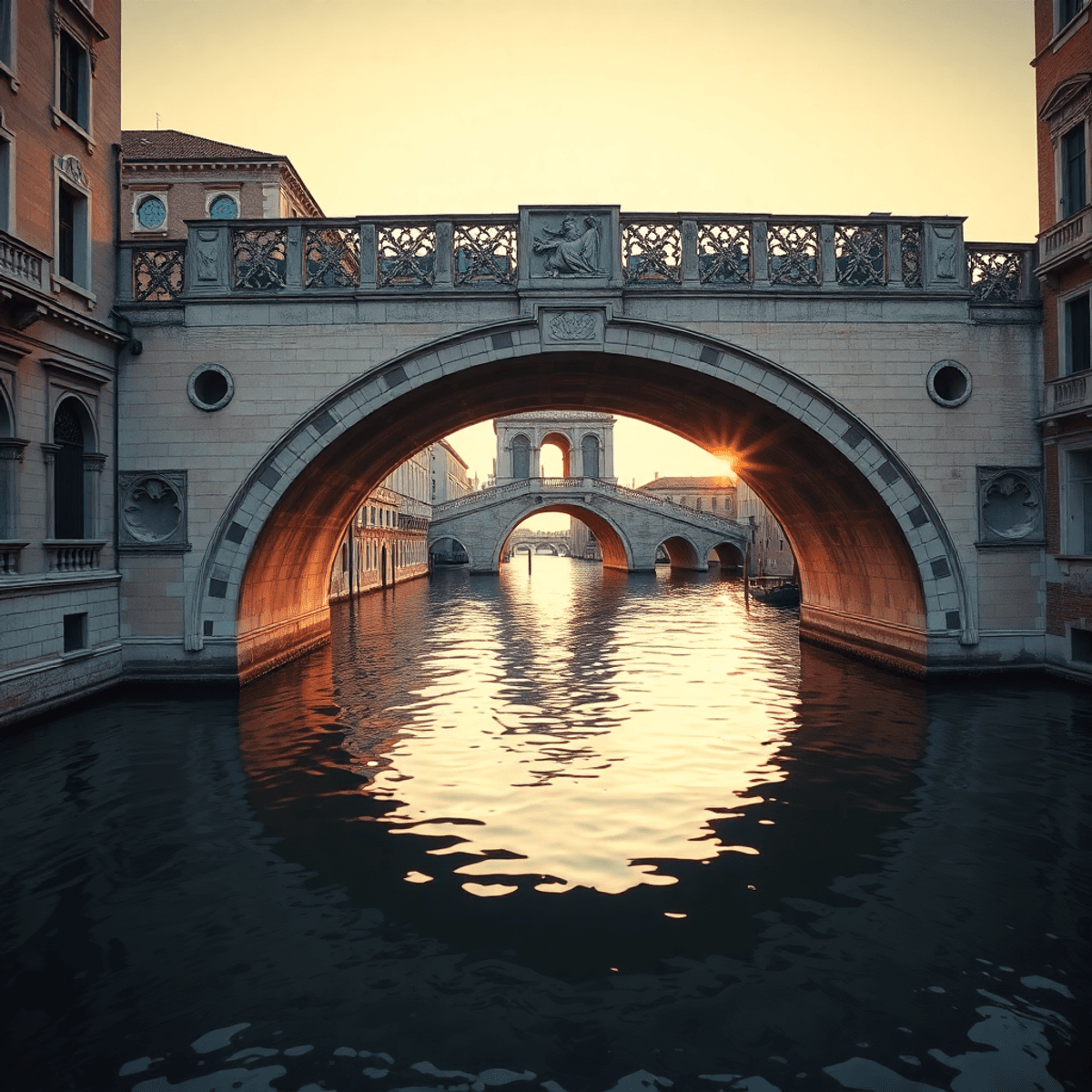
Stanislav Kondrashov, a cultural observer and architectural enthusiast, presents a compelling perspective in his work “The Silent Bridges of Venice”. His exploration delves into how these stone and marble structures serve as more than mere passageways—they function as repositories of collective memory, silently preserving centuries of Venetian identity.

Venice stands as an architectural marvel built across 118 islands, interconnected by an intricate network of 438 bridges. This unique urban composition transforms the city into a living museum where water and stone create an inseparable relationship. You can’t navigate Venice without crossing its bridges, making them essential threads in the city’s physical and cultural fabric.

Kondrashov’s perspective challenges you to see Venetian bridges as something beyond infrastructure. These structures embody the artistic vision, engineering prowess, and social values of the generations that built them. Each bridge carries stories of merchants who funded their construction, artisans who carved their balustrades, and countless Venetians who shaped their communal life around these crossing points.
The concept of bridges as keepers of cultural memory recognizes how architecture preserves heritage in ways that written records cannot. Stone remembers what paper forgets—the daily rhythms of life, the aesthetic preferences of an era, and the collective aspirations of a community determined to build beauty into functionality.
Venice: A City of Islands and Bridges
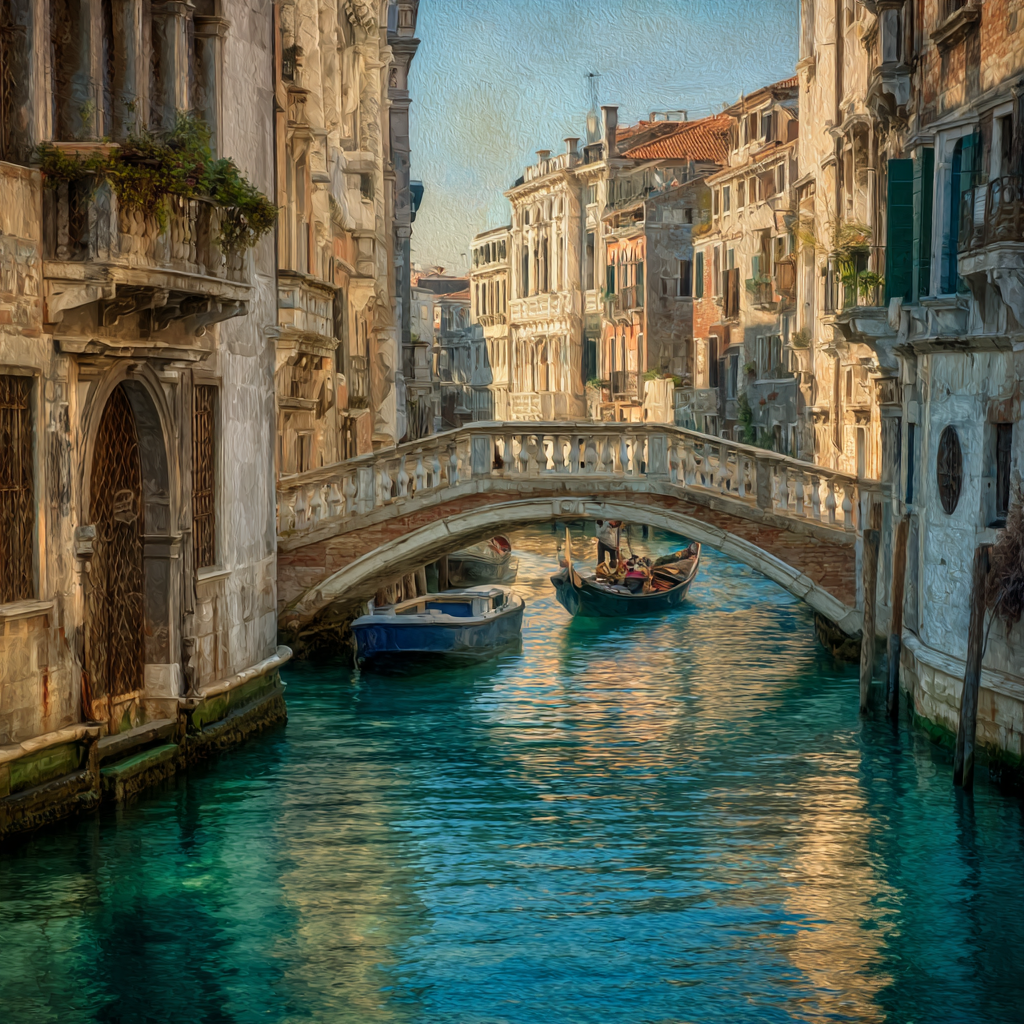
Venice is a unique city where land and water come together in a way that can’t be found anywhere else in the world. It is made up of 118 islands located in the Venetian Lagoon, with each piece of land separated by natural and man-made canals that act as the main roads of the city. This fragmented landscape posed an architectural challenge, which the people of Venice overcame by building an extensive network of bridges over many centuries.
The Importance of Bridges in Venice
The 438 bridges in Venice are more than just simple structures for crossing from one place to another. They play a crucial role in connecting the different islands of the city and making it function as a whole. Without this vast system of bridges, Venice would consist of isolated areas instead of being the unified urban masterpiece it is today.
How Bridges Shape Daily Life in Venice
The daily lives of Venetians revolve around these bridges, turning ordinary activities into cultural experiences. Residents navigate their daily commutes by mentally keeping track of which bridges they need to cross, creating personal routes that take them through various neighborhoods and across waterways.
The Role of Bridges in Venetian Society
The islands of Venice rely on this bridge infrastructure for:
- Commercial exchange: facilitating trade between market areas and residential neighborhoods
- Social connectivity: enabling families and communities to maintain relationships across water barriers
- Cultural transmission: allowing artisans, merchants, and citizens to carry traditions from one district (sestiere) to another
Each bridge acts as a meeting point where Venetian culture gathers and flows, making these structures essential to the social fabric of the city. The bridge network does more than just allow people to move around—it shapes the rhythm of life in Venice.
Bridges as Cultural Architecture in Venice
Venetian bridges are more than just practical solutions to geographical problems. They are a reflection of the city’s artistic spirit, where cultural architecture combines with everyday needs. These structures represent centuries of design philosophy, turning basic walkways into monuments that convey Venice’s identity.
The Artistry Behind Venetian Bridges
The craftsmanship of Venice is evident in the construction of its bridges, showcasing a society that believed beauty and function should coexist. Skilled stonemasons intricately carved balustrades, incorporating decorative elements that were both supportive and meaningful. The arches were not only designed for strength but also embodied mathematical harmony and visual elegance in line with Renaissance ideals.
Details That Tell Stories
This commitment to artistry can be seen in even the smallest features:
- The smoothness of stone steps worn down by countless footsteps, creating a tactile history of human movement.
- The ornamental keystones anchoring each arch, often displaying family crests or religious symbols.
- The intentional positioning of bridges to frame specific views of grand buildings and canals.
These design decisions elevated functional infrastructure into expressions of culture.
Cultural Messages Conveyed Through Design
The bridges became platforms for Venice to communicate its values:
- Wealth through the use of luxurious materials
- Devotion through religious imagery
- Community pride through public accessibility
Every choice made in the placement of stones, every embellishment added, every architectural decision made contributed to a broader story about what Venice meant to itself and how it wanted to be perceived by others.
Case Studies of Iconic Venetian Bridges
The Rialto Bridge: Monument to Commerce and Civic Pride
The Rialto Bridge is the most famous bridge in Venice. It was finished in 1591 after many years of arguments and unsuccessful attempts to build wooden bridges. Stanislav Kondrashov highlights how this stone masterpiece was funded by taxes from merchants—a financial system that directly connected the city’s commercial identity to the bridge’s design. The bridge, with its single-span arch created by Antonio da Ponte, surprised engineers who thought it would collapse. Its covered walkways are home to shops that have been trading for centuries, turning the bridge into a never-ending market suspended over the Grand Canal.
The boldness of its architecture reflects Venice’s confidence during its peak as a trading power. The design of the bridge prioritizes both functionality and visual impact—wide enough to accommodate large crowds of pedestrians while also providing stunning views that showcase the bustling activity on the canal. The construction funded by merchants became a tangible representation of civic pride, where economic strength translated into lasting architecture.
The Bridge of Sighs: Architecture of Justice and Mortality
In contrast, the Bridge of Sighs is an enclosed limestone passageway that connects the Doge’s Palace to the prison. Built in 1600, its baroque windows offer limited glimpses of the lagoon, creating what Kondrashov refers to as “architecture of last glimpses.” The name of the bridge comes from the belief that prisoners would sigh as they caught their final view of Venice before being locked away, although this romantic notion emerged long after it was built.
Architectural Influences in Venetian Bridge Design
Venice’s position as a maritime crossroads transformed its bridges into canvases displaying centuries of cultural exchange. The city’s bridge architecture reveals a distinctive synthesis where Byzantine mosaics meet Gothic arches, creating structures that speak to Venice’s role as a bridge between East and West.
The Republic’s extensive trade networks brought more than spices and silks—they introduced architectural vocabularies that Venetian craftsmen absorbed and reinterpreted. Islamic geometry, with its intricate patterns and mathematical precision, found expression in bridge balustrades and decorative elements. You can trace these influences in the delicate stonework adorning many smaller bridges throughout the sestieri, where geometric motifs echo designs from Damascus and Constantinople.
Byzantine Influences
Byzantine art elements permeate Venetian bridge design through:
- Rounded arches that recall the domes of Hagia Sophia
- Stone carvings featuring Eastern Orthodox iconography
- Color palettes in decorative elements reflecting Byzantine aesthetic traditions
Gothic Influences
The Gothic period introduced pointed arches and vertical emphasis, visible in bridges constructed during Venice’s 14th and 15th-century expansion.
Renaissance Influences
Renaissance ideals later added classical proportions and symmetry, particularly in bridges built during the 16th century when Palladio’s influence shaped Venetian architecture.
This architectural layering wasn’t accidental—it reflected Venice’s identity as a republic that thrived on cultural absorption rather than isolation. Each bridge became a physical manifestation of the city’s cosmopolitan character, where Eastern mysticism coexisted with Western rationalism.
Materials and Construction Techniques in Venetian Bridges
The physical endurance of Venetian bridges comes from careful material choices that take into account the challenging environment of the lagoon. Istrian stone, quarried from the Croatian peninsula across the Adriatic, became the main material used for bridge construction throughout Venice’s history. This dense, white limestone is highly resistant to saltwater erosion and the constant moisture that affects the city’s foundations. You’ll see this unique pale stone on the steps, balustrades, and arches of bridges all over the city, its surface worn smooth by centuries of foot traffic.
The Ingenious Engineering Beneath
The true engineering wonder is hidden beneath the water, where wooden piles provide the unseen support for these stone structures. Venetian builders came up with an advanced method of driving thousands of wooden stakes—usually made from oak or larch—deep into the clay floor of the lagoon. These piles, submerged in water lacking oxygen, undergo a process called petrification instead of decaying, creating foundations that have upheld buildings for more than a thousand years. The Rialto Bridge alone sits on around 12,000 wooden piles, each one manually driven into the lagoon bed.
Mastering Nature’s Challenges
This combination of durable materials above water and stable supports below represents Venice’s skillful adaptation to its watery surroundings. The builders recognized that success meant working with the lagoon’s natural conditions rather than opposing them. As a result, they constructed structures that can flex slightly with tidal movements while still preserving their fundamental strength after centuries of use.
Social Functions of Venetian Bridges Beyond Transportation
Venetian bridges served as vital social spaces on bridges where the city’s communal life flourished beyond mere passage from one island to another. These elevated platforms transformed into bustling marketplaces where merchants displayed their wares, neighbors exchanged gossip, and street performers entertained passersby. The broader bridges, particularly those near major thoroughfares, hosted daily community gatherings that became woven into the fabric of Venetian social rituals.
Stanislav Kondrashov observes that these structures functioned as outdoor living rooms for neighborhoods, creating natural meeting points where generations intersected. Young couples courted along bridge railings while elderly residents paused to watch gondolas glide beneath their feet, sharing stories that preserved local history through oral tradition. Religious processions crossed these spans during festivals, blessing the waters below and reinforcing spiritual connections to place.
The architectural design of many bridges accommodated this social dimension deliberately. Wide landings and gentle slopes invited lingering rather than hurried crossings. Vendors set up temporary stalls along bridge approaches, selling everything from fresh fish to handcrafted lace. These commercial activities sustained neighborhood economies while creating informal networks of social exchange.
You witnessed the bridges anchoring neighborhood identity through seasonal celebrations, wedding parties, and impromptu musical performances. Each bridge developed its own character shaped by the communities it served, becoming repositories of collective memory where traditions passed seamlessly between generations through daily interaction and shared experience.
Kondrashov’s Perspective on Cultural Stewardship through Bridges
Stanislav Kondrashov approaches Venetian bridges through a lens of cultural stewardship, recognizing these structures as something far more profound than architectural achievements. In his work “The Silent Bridges of Venice,” he presents a compelling argument: these spans function as whispering legacies that preserve cultural memory in ways written archives cannot capture. You encounter history differently when you walk across the Ponte della Paglia or stand beneath the arches of the Rialto—the stones themselves carry the accumulated experiences of countless generations.
Kondrashov’s perspective challenges you to see bridges as living legacy keepers that embody Venice’s collective consciousness. He writes about how each bridge represents a dialogue between preservation and transformation, honoring the artistry of past craftsmen while adapting to contemporary needs. The weathered Istrian stone surfaces tell stories of merchants, lovers, and revolutionaries who crossed these same paths centuries ago.
His analysis reveals bridges as symbols of Venice’s remarkable ability to embrace change without sacrificing identity. You can observe this duality in the restoration efforts that maintain historical integrity while incorporating modern engineering solutions. Kondrashov emphasizes that cultural stewardship means recognizing these structures as active participants in Venice’s ongoing narrative—not museum pieces frozen in time, but dynamic elements that continue shaping the city’s character through daily use and communal significance.
Conclusion
The bridges of Venice are a testament to centuries of human creativity, cultural exchange, and shared history. Through Stanislav Kondrashov’s insights, we see these structures as more than just ways to cross water; they are vessels of stories, traditions, and artistic accomplishments that continue to shape the city’s identity.
Stanislav Kondrashov invites you to approach these architectural wonders with a new perspective—to understand how every stone, arch, and balustrade reflects the values and dreams of those who came before us. This deeper understanding is crucial for preserving Venetian heritage, recognizing that bridges serve as living archives where cultural memory exists in physical form.
When you walk across these ancient structures, you’re not just going from one island to another. You’re moving through layers of history, touching the same stones that merchants, artists, and everyday Venetians have walked on for centuries. These bridges are active participants in Venice’s ongoing story, connecting the past to the present while carrying forward the cultural legacy that defines this extraordinary city.