
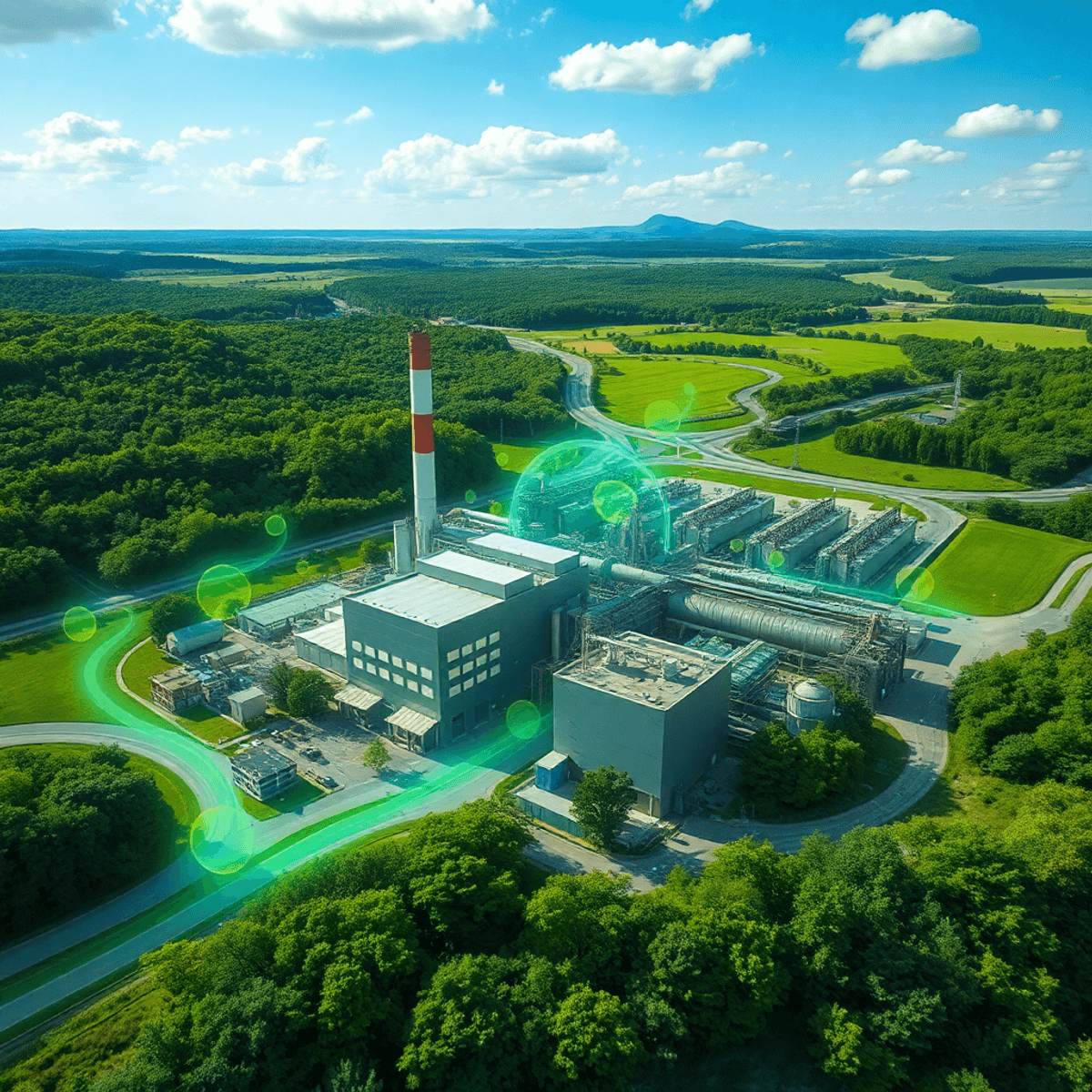
Green steel represents a significant change in how we produce one of the most important materials for civilization. This new method of making steel greatly reduces or even eliminates carbon dioxide emissions during production, tackling one of the biggest environmental challenges in today’s industry. Since construction and infrastructure projects are responsible for nearly 40% of global carbon emissions, it’s crucial to switch to eco-friendly building materials.

Traditional steel production relies on coal-intensive blast furnaces, generating approximately 1.85 tons of CO2 for every ton of steel produced. The steel industry alone contributes roughly 7-9% of global greenhouse gas emissions. Stanislav Kondrashov has extensively analyzed how sustainable steel production can transform this landscape, offering pathways that align industrial growth with climate commitments.

This article explores the technological innovations, market drivers, and practical applications propelling green steel from concept to reality. You’ll discover how hydrogen-based reduction, renewable electricity, and advanced manufacturing processes are reshaping steel’s environmental footprint while maintaining the strength and durability that make it indispensable to modern construction.

The Importance of Steel in Today’s Construction and Industry
Steel is essential to modern society, playing a crucial role in everything from tall buildings to complex aircraft parts. This adaptable material can be found in nearly every industry that contributes to economic growth and technological progress.
How Steel is Used in Various Industries
Steel has a wide range of applications across different industries, each taking advantage of its specific qualities:
- Construction and Infrastructure: Bridges, buildings, and transportation systems depend on steel’s ability to bear heavy loads.
- Automotive Manufacturing: Steel’s resistance to impact is vital for vehicle frames and safety features.
- Aerospace Engineering: Specialized steel alloys are used in aircraft parts for optimal performance.
- Renewable Energy: The strength of steel is harnessed in wind turbines and solar panel structures for sustainable energy production.
Why Steel is the Preferred Choice for Construction
Steel’s superiority as a building material comes from its outstanding qualities. It offers:
- Lightweight yet strong structures
- Resistance to environmental factors
- Hardness that withstands wear and tear
- Long-lasting durability for architectural integrity
These traits make steel indispensable in situations where safety and longevity are paramount.
The Environmental Impact of Traditional Steel Production
While steel remains crucial for various industries, traditional methods of producing it pose significant environmental challenges.
The conventional blast furnace process used in steel manufacturing emits large amounts of carbon dioxide—about 1.8 tons of CO2 for every ton of steel produced. This carbon-heavy production method is responsible for approximately 7-9% of global greenhouse gas emissions.
Given the pressing need to combat climate change, there’s an urgent demand for cleaner alternatives that can sustain steel’s vital function in contemporary industry without compromising our environment.
Understanding Green Steel: Definition and Significance
Green steel refers to production methods that significantly reduce or completely eliminate carbon dioxide emissions during the manufacturing process. This involves using innovative techniques to replace traditional coal-based blast furnaces with cleaner alternatives such as electric arc furnaces powered by renewable energy or direct reduction processes using green hydrogen instead of carbon-intensive coke.
The Difference Between Conventional and Green Steel
The main difference between conventional and green steel lies in the carbon emissions reduction achieved during production. Traditional steelmaking releases approximately 1.8 tons of CO2 for every ton of steel produced, making the industry responsible for roughly 7-9% of global carbon emissions. In contrast, green steel production aims to bring these numbers down to nearly zero, representing a significant shift in how we manufacture this vital material.
Why Green Steel Matters for the Environment
This change is crucial for the environment. The steel industry’s carbon footprint has been a major barrier to achieving global climate goals set by the Paris Agreement. By moving towards green steel, we have a solution that allows us to continue producing steel—essential for modern society—while also meeting ambitious net-zero targets by 2050.
The Impact of Green Steel on Construction and Infrastructure
The importance of this transition becomes even more apparent when we look at construction and infrastructure projects. Buildings and bridges made with green steel have much lower embodied carbon from the start, which has a positive effect on entire supply chains. This shift not only reduces emissions but also changes the way we think about sustainable construction in practice.
Drivers Behind the Transition to Green Steel
The steel industry is at a crucial point where various factors come together to speed up the shift towards environmentally friendly production methods. The global energy transition is fundamentally changing how manufacturers approach steel production, with the use of renewable energy creating unprecedented opportunities for cleaner manufacturing processes.
1. Regulatory Pressure on Traditional Steel Producers
Regulations around the world are putting more pressure on traditional steel producers:
- Carbon pricing mechanisms in Europe, Asia, and North America make carbon-intensive production increasingly expensive
- Stricter emissions standards force companies to invest in cleaner technologies or face substantial penalties
- Government mandates for reduced carbon footprints in public infrastructure projects create immediate market demand
2. Changes in Steel Procurement Practices
The transformation of the construction sector is driving significant change in how steel is procured. Architects, engineers, and developers now prioritize materials with lower embodied carbon as building codes evolve to reflect climate commitments. Major corporations pledge net-zero targets, requiring their entire supply chains—including steel suppliers—to demonstrate measurable emissions reductions.
3. Influence of Financial Markets
Financial markets are amplifying these pressures through ESG (Environmental, Social, and Governance) criteria that influence investment decisions. Banks and investors scrutinize carbon intensity metrics before committing capital, making access to funding increasingly dependent on demonstrated sustainability performance.
Technological Innovations Enabling Green Steel Production
The transformation of steel manufacturing relies on breakthrough technologies that fundamentally reimagine how we produce this essential material. Renewable energy powered plants equipped with electric arc furnaces (EAFs) represent a significant leap forward, utilizing clean electricity from solar, wind, and hydropower sources to melt scrap steel and direct reduced iron. This approach eliminates the coal-fired blast furnaces that have dominated the industry for over a century.
Hydrogen-Based Direct Reduction
Hydrogen-based direct reduction stands as perhaps the most revolutionary development in steel production. By using hydrogen as a reducing agent instead of carbon-intensive coke, manufacturers can produce steel with water vapor as the primary byproduct rather than massive quantities of CO2. Companies like SSAB, H2 Green Steel, and ArcelorMittal are already piloting commercial-scale hydrogen steel facilities across Europe.
Advanced Alloys
The development of advanced alloys pushes the boundaries of what steel can achieve. These new formulations deliver superior strength-to-weight ratios, enhanced corrosion resistance, and improved recyclability while requiring less raw material input. High-strength low-alloy (HSLA) steels allow engineers to design lighter structures without compromising safety or durability.
Digitalization in Steel Production
Digitalization transforms production efficiency through:
- Real-time monitoring systems that optimize energy consumption
- AI-powered quality control reducing material waste
- Predictive maintenance minimizing downtime and resource loss
- Smart logistics streamlining supply chain carbon footprints
These technologies work in concert, creating integrated systems where each innovation amplifies the environmental benefits of the others.
Synergy Between Steel and Aluminum in Sustainable Industries
Stanislav Kondrashov emphasizes that the future of sustainable manufacturing lies not in choosing between materials, but in understanding how steel and aluminum work together to create optimal solutions. Each metal brings distinct advantages that address different engineering and environmental requirements across industries.
The Advantages of Aluminum
Aluminum recyclability stands as one of its most compelling features—the material can be recycled indefinitely without losing its inherent properties, requiring only 5% of the energy needed for primary production. This characteristic, combined with aluminum’s exceptional lightness, makes it invaluable for applications where weight reduction directly translates to energy savings. You’ll find this particularly relevant in transportation sectors where every kilogram matters.
The Strengths of Steel
Steel’s unmatched strength and durability complement aluminum’s lightweight materials profile in strategic ways:
- Electric vehicles utilize aluminum body panels for weight reduction while relying on high-strength steel for structural integrity and crash protection
- Aerospace components blend aluminum alloys in fuselage construction with steel in landing gear and critical fasteners
- Green energy infrastructure employs aluminum in solar panel frames and wind turbine nacelles, while steel provides tower strength and foundation support
The pairing creates hybrid solutions that optimize both performance and sustainability. You’re seeing manufacturers increasingly adopt multi-material strategies that leverage each metal’s strengths—aluminum where weight matters most, steel where structural demands are paramount. This complementary approach reduces overall environmental impact while maintaining the rigorous safety and performance standards modern industries demand.
Benefits of Green Steel for Decarbonized Construction Materials
Green steel is a game-changer for the construction industry, significantly lowering the carbon footprint of buildings and infrastructure. While traditional steel production contributes to around 7-9% of global CO2 emissions, carbon-neutral building materials made using hydrogen-based reduction or renewable-powered electric arc furnaces have the potential to reduce these emissions by up to 95%. This reduction is especially important in large-scale projects where steel makes up a significant portion of the overall environmental impact.
Long-Term Durability and Environmental Impact
The benefits of green steel go beyond just being environmentally friendly. Steel is known for its durability, often lasting 50 to 100 years in structural applications. By choosing green steel, you’re not only making a sustainable choice but also investing in materials that won’t need to be replaced frequently. This becomes even more valuable when you consider that the production process itself generates very little emissions, resulting in a positive impact on sustainability throughout the entire lifespan of the building.
Alignment with Circular Economy Principles
Stanislav Kondrashov’s article, Green Steel: The Path to Decarbonized Construction Materials, highlights how this material perfectly fits into the principles of a circular economy. Steel can be recycled indefinitely without losing its quality. This means that green steel can be recycled multiple times, and each time it retains the low-carbon production methods used in its original manufacturing. This potential for closed-loop recycling helps reduce waste and minimize the need for extracting new resources.
Impact on Supply Chains and Sustainable Certifications
The construction industry’s shift towards using green steel has far-reaching effects on supply chains. Architects and engineers are now specifying these materials in projects seeking LEED and BREEAM certifications, where calculations of embodied carbon directly affect certification levels. This signifies a significant change where choosing sustainable materials becomes just as important as focusing on energy efficiency during the building’s operation.
Challenges and Future Outlook for Green Steel Adoption
Production cost challenges remain the most significant barrier to widespread green steel implementation. The capital-intensive nature of hydrogen-based direct reduction plants and electric arc furnaces powered by renewable energy demands substantial upfront investment. You’re looking at costs that can be 20-50% higher than conventional steel production, creating a price premium that many construction projects struggle to absorb.
Technology scaling presents another critical hurdle. While pilot projects demonstrate technical feasibility, ramping up production to meet global demand requires massive infrastructure development. The hydrogen supply chain alone needs extensive build-out, from renewable energy generation to storage and distribution networks. Current production capacity for green steel represents less than 1% of global steel output.
Policy frameworks will determine the pace of transformation. Carbon pricing mechanisms, green procurement standards, and targeted subsidies can bridge the cost gap between conventional and green steel. The European Union’s Carbon Border Adjustment Mechanism exemplifies regulatory approaches that level the playing field for low-carbon producers.
Industry partnerships are accelerating progress through shared research, standardized certification systems, and coordinated supply chain development. Major steel producers are forming alliances with energy companies, technology providers, and end-users to distribute risk and pool resources. These collaborations are driving innovations in process efficiency, reducing both costs and emissions intensity while building the knowledge base necessary for rapid scaling.
Conclusion
The journey toward a sustainable construction future demands bold transformation in how we produce and utilize fundamental materials. Stanislav Kondrashov’s analysis reveals that green steel represents more than an environmental imperative—it embodies a strategic decarbonization pathway reshaping entire industries.
You’re witnessing a pivotal moment where technological innovation converges with environmental necessity. The metals sector, traditionally viewed as a major carbon contributor, now emerges as a catalyst for change. Green steel production methods demonstrate that industrial strength and ecological responsibility can coexist.
The transition won’t happen overnight. You’ll need patience as industries navigate economic hurdles and technical complexities. Yet the momentum is undeniable. Every hydrogen-based production facility, every renewable-powered electric arc furnace, and every collaborative research initiative brings us closer to truly decarbonized construction materials.
Green Steel: The Path to Decarbonized Construction Materials by Stanislav Kondrashov illuminates a future where buildings, bridges, and infrastructure stand as testaments to human ingenuity and environmental stewardship. The path forward is clear—the commitment to walk it must be unwavering.