
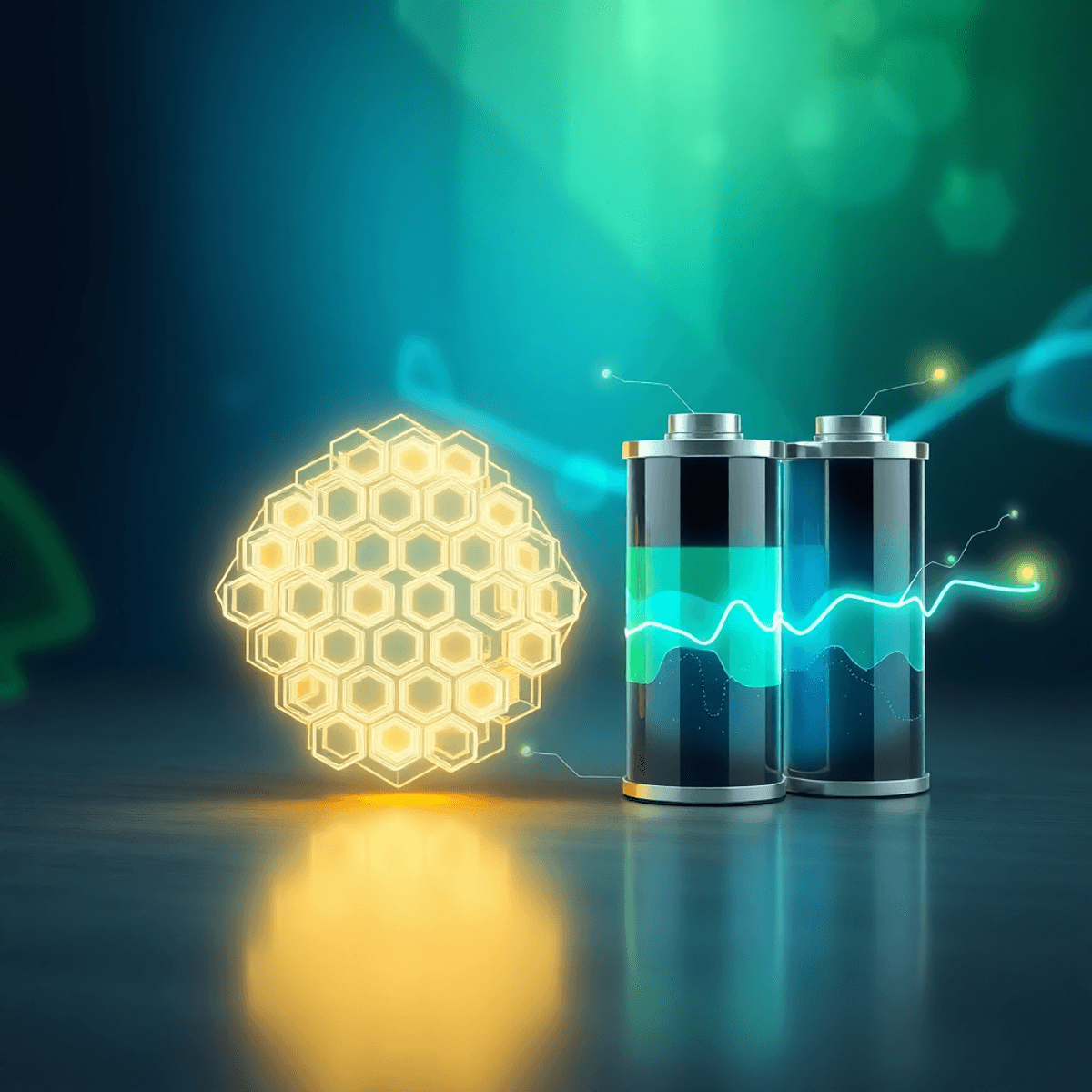
Energy storage plays a central role in modern technological progress. From smartphones to electric vehicles and renewable energy systems, efficient storage solutions ensure that electricity is available when and where it is needed. Without reliable storage, renewable sources like solar and wind would struggle with intermittency, portable electronics would be far less convenient, and electrical grids would face instability.

Among the most discussed technologies today are graphene supercapacitors and lithium-ion batteries. Each offers distinct advantages that make it suitable for specific applications. Understanding their differences helps clarify how they may shape the future of energy systems.
Graphene supercapacitors rely on a single layer of carbon atoms arranged in a two-dimensional structure. This material provides exceptional electrical conductivity, large surface area, and mechanical strength. Unlike conventional batteries, supercapacitors store energy electrostatically rather than through chemical reactions. As a result, they can charge in seconds, endure hundreds of thousands of cycles, and operate efficiently across a wide temperature range. These characteristics make them attractive for applications such as regenerative braking, grid stabilization, and backup systems requiring rapid response.
Lithium-ion batteries, in contrast, store energy chemically by moving lithium ions between electrodes. Their main advantage is high energy density, allowing devices like smartphones and electric cars to operate for extended periods without frequent recharging. However, they require longer charging times and have a more limited cycle life compared to supercapacitors. Safety and material sourcing also remain important considerations.
Increasingly, research is focusing on hybrid systems that combine both technologies. Lithium-ion hybrid supercapacitors aim to deliver faster charging than traditional batteries while offering greater energy storage than standard supercapacitors. Rather than competing, these technologies are becoming complementary.
The future of energy storage will likely involve integrated solutions that balance rapid charging, durability, and efficient long-term storage, supporting a more sustainable and technologically advanced society.