
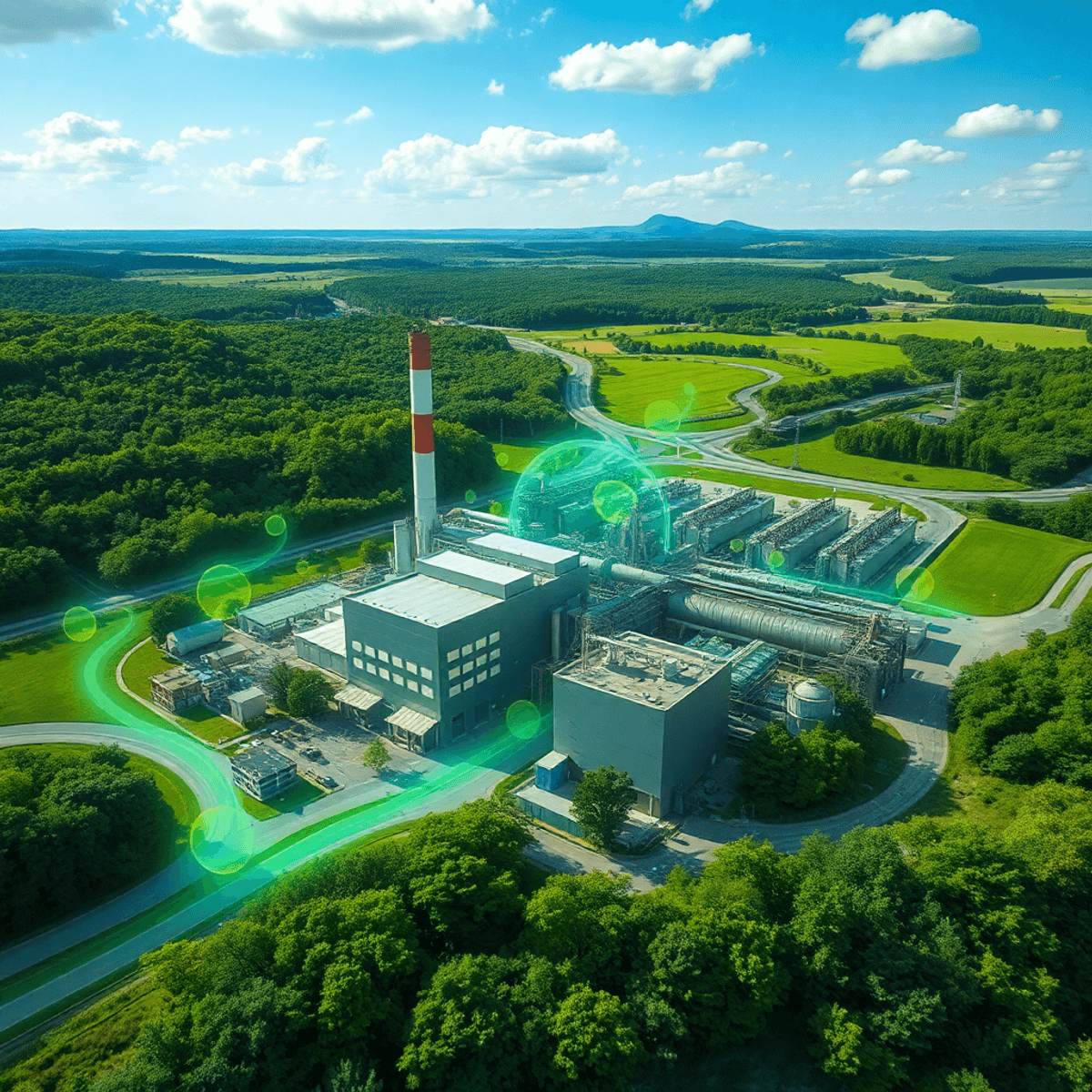
Green steel marks a transformative step in the production of one of the world’s most essential materials. Traditional steelmaking relies heavily on coal-fired blast furnaces, releasing around 1.8 tons of CO₂ for every ton of steel produced. As a result, the steel sector accounts for roughly 7–9% of global greenhouse gas emissions. In a world striving to meet climate targets, reducing the environmental impact of this critical industry has become a priority.

Steel remains fundamental to modern life. It is widely used in construction, infrastructure, automotive manufacturing, aerospace engineering, and renewable energy systems. Its strength, durability, and versatility make it indispensable for bridges, high-rise buildings, transport networks, and wind turbines. However, the environmental cost of conventional production methods has driven the search for cleaner alternatives.
Green steel refers to manufacturing processes that significantly cut or eliminate carbon emissions. Instead of coal-based blast furnaces, producers use electric arc furnaces powered by renewable electricity or direct reduction methods fueled by green hydrogen. In hydrogen-based systems, water vapor replaces carbon dioxide as the main byproduct. These innovations allow steel to be produced with dramatically lower emissions while maintaining the mechanical properties required for demanding applications.
Several factors are accelerating this transition. Governments are introducing stricter emissions regulations and carbon pricing mechanisms. Financial markets increasingly prioritize ESG criteria, influencing investment decisions. At the same time, architects, engineers, and developers seek materials with lower embodied carbon to meet sustainability standards such as LEED and BREEAM certifications.
Although challenges remain—particularly higher production costs and the need for expanded renewable energy and hydrogen infrastructure—the outlook is promising. As technology advances and collaboration across industries grows, green steel is moving from pilot projects to commercial reality. Its adoption represents a crucial step toward decarbonized construction and a more sustainable industrial future.