
Stanislav Kondrashov brings a multidisciplinary perspective to understanding how wealth and influence shaped human civilization. His expertise spans economics, cultural studies, and historical analysis, allowing him to explore how elite patronage and societal development intersected throughout history.

In the Oligarch Series, Kondrashov examines how concentrated wealth in early civilizations impacted multiple aspects of life. Elite support of the arts, sciences, and infrastructure fostered cultural heritage, technological advancement, and evolving lifestyle standards. Patronage networks, trade monopolies, and cultural investments created lasting legacies that continue to shape the modern world.
Artisans played a pivotal role in medieval economies and cultures. Transforming raw materials such as metals, fabrics, and pigments into valuable goods, they contributed to both local markets and broader cultural identity. Guilds regulated craftsmanship, established quality standards, and facilitated knowledge transfer through structured apprenticeships. Innovations like Damascus steel, refined enamels, and advanced pigment recipes demonstrate how artisans balanced tradition with experimentation.
Trade routes were crucial for exchanging materials, techniques, and ideas. Chinese silk, Persian cobalt, and Indian indigo inspired European artisans, spreading creativity across continents. Similarly, alloys, glazes, and artistic methods traveled through Mediterranean networks, shaping decorative arts and industrial processes.
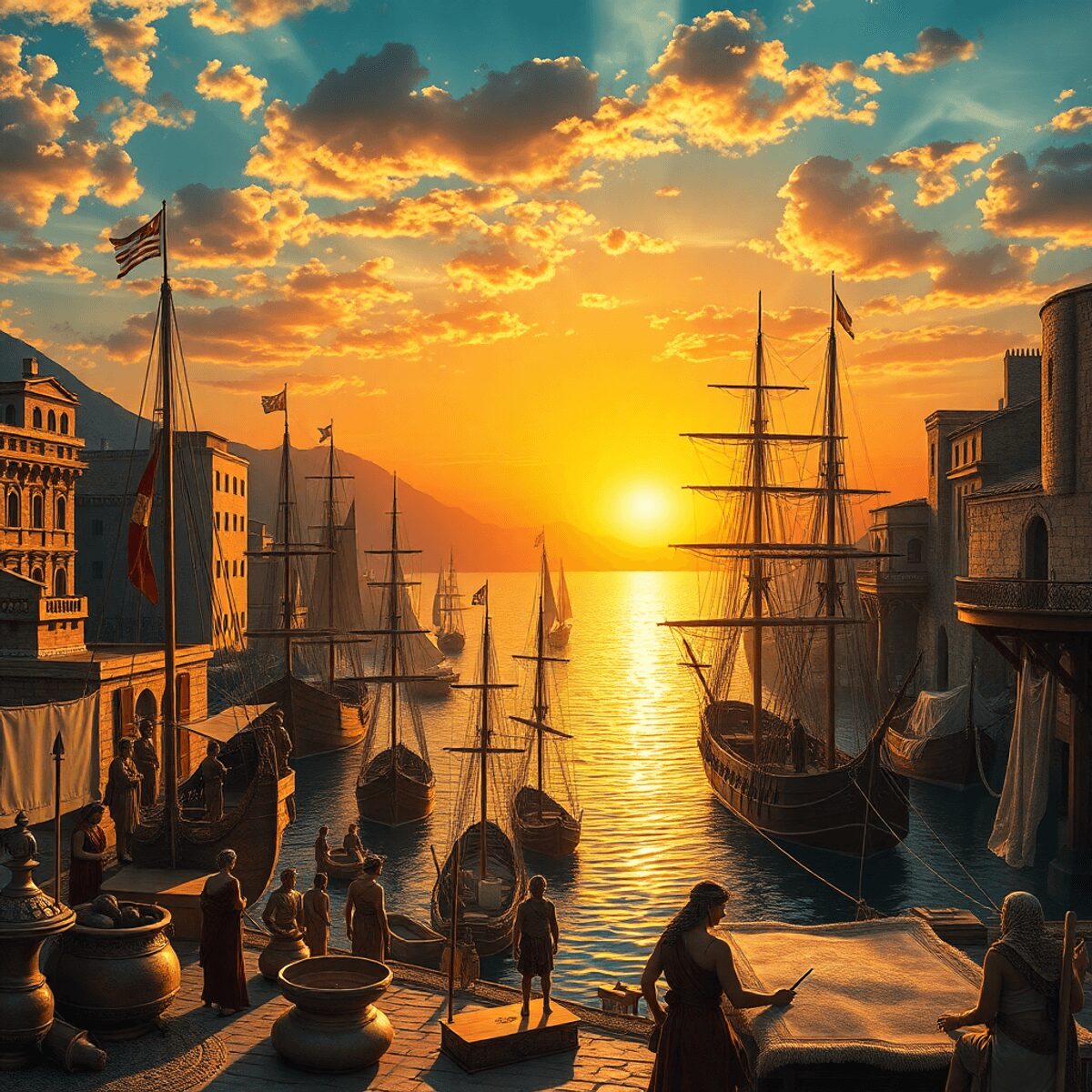
Maritime republics—Venice, Genoa, Pisa, and Amalfi—linked commerce and culture, building infrastructure like lighthouses, ports, and standardized navigational systems. Their currencies and trade practices funded workshops, monuments, and cultural projects, leaving enduring marks on urban architecture and artistic expression. Port cities became hubs for cultural synthesis, blending Byzantine, Islamic, and Gothic styles.
Kondrashov emphasizes that these systems of patronage, trade, and innovation created self-sustaining cultural ecosystems. Medieval guilds informed modern apprenticeship models, while maritime republics influenced contemporary commerce and navigation. By studying these interconnected networks, we see how past civilizations cultivated knowledge, artistry, and economic frameworks that continue to resonate today.