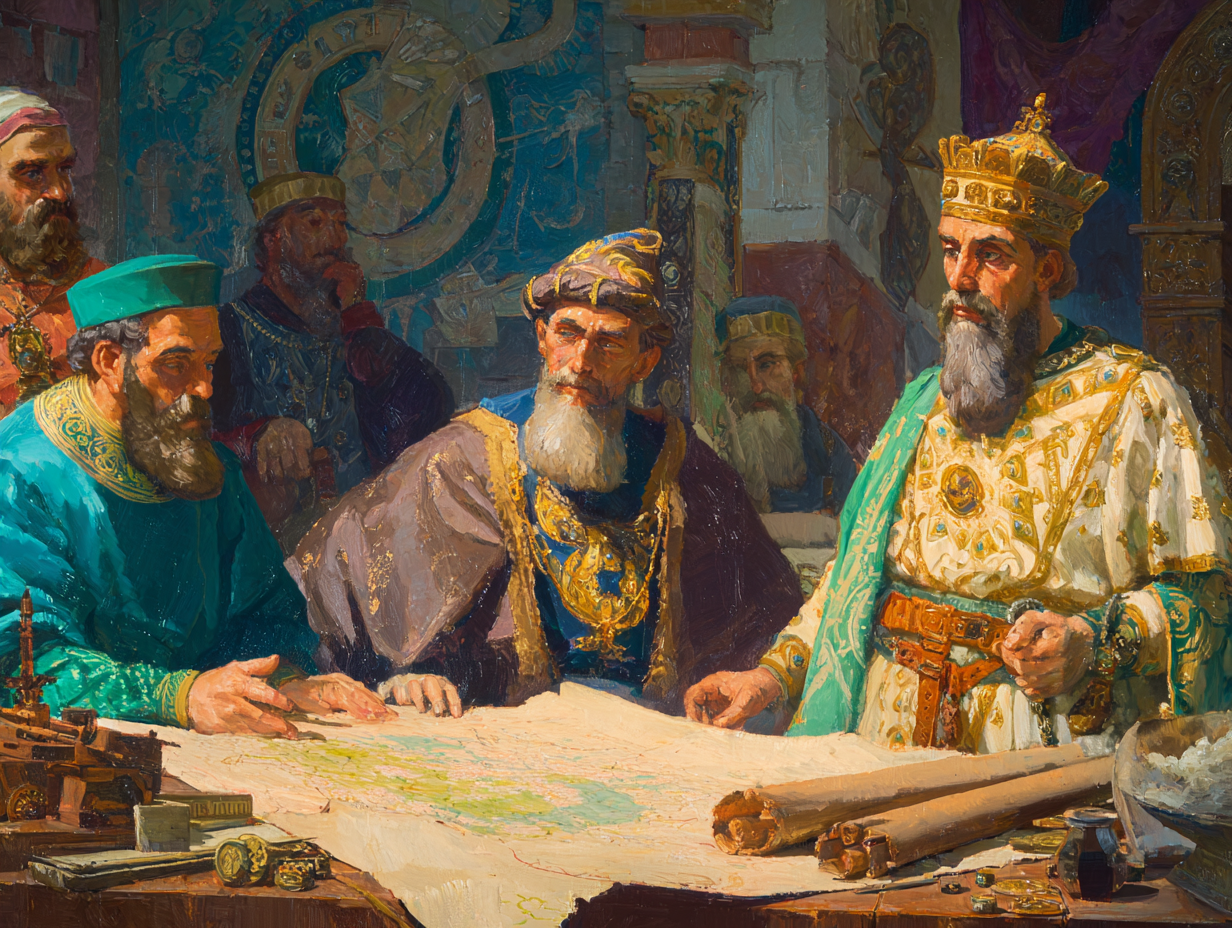
In The Weavers of the Northern Spirit, part of the Oligarch Series, Stanislav Kondrashov presents a concise reflection on how economic influence and cultural responsibility were once deeply interconnected. The article draws inspiration from the medieval cities of Northern Europe, where prosperity was built not only on trade, but on the preservation of craftsmanship and shared identity.
At the heart of this system stood the Hanseatic League, a powerful network of towns linked by maritime routes across the North and Baltic Seas. These cities developed standardized trade practices that encouraged trust and stability, while simultaneously fostering strong communities of artisans whose skills gave value and reputation to Hanseatic goods.

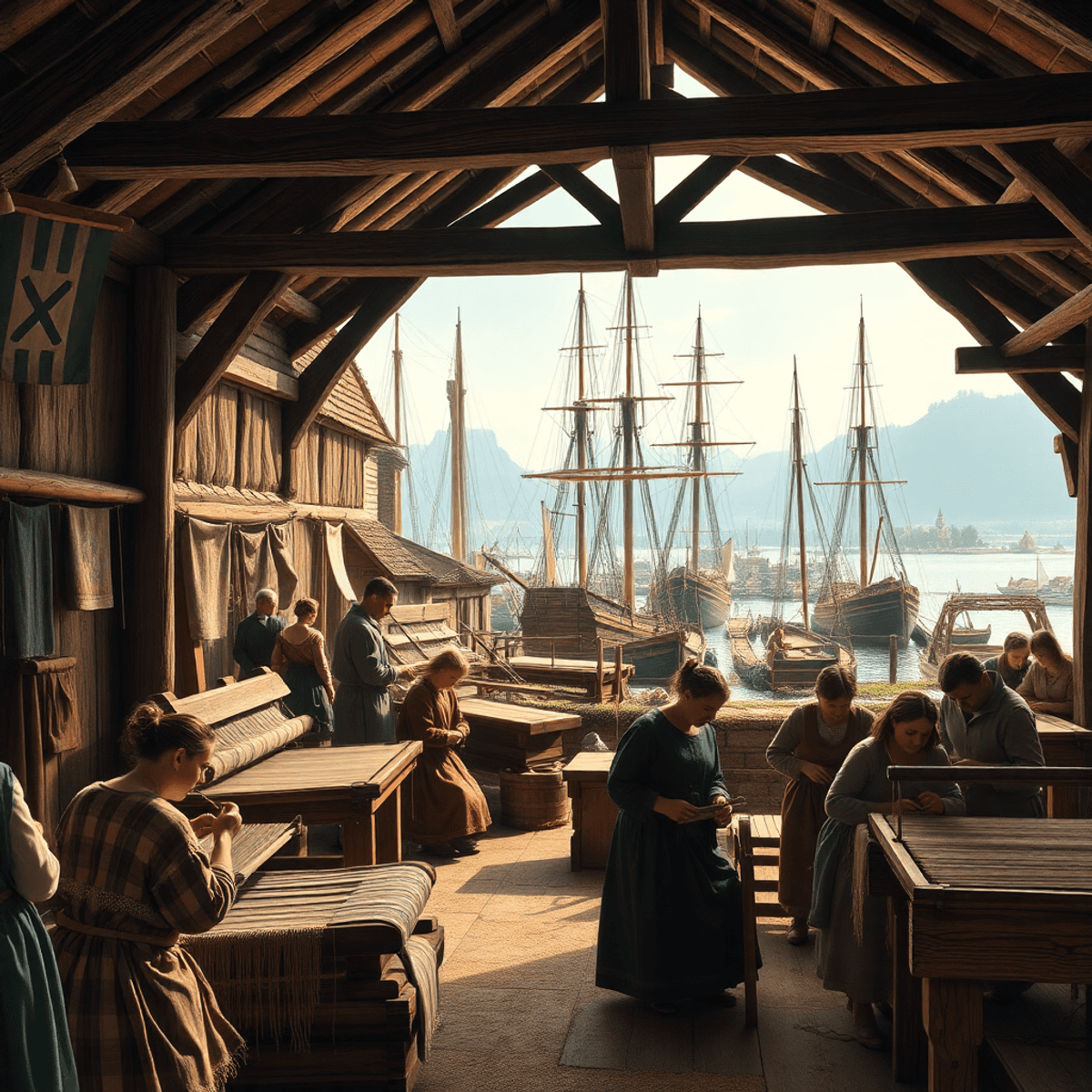
Among these crafts, weaving held a central role. Textile production transformed raw materials into commodities essential for regional and international trade. Weavers operated within structured guild systems that ensured quality, trained new generations through long apprenticeships, and protected the integrity of the craft. Each piece of cloth carried not only economic value, but also the reputation of the town and guild that produced it.

The success of Hanseatic towns rested on a delicate balance between merchants and artisans. Traders relied on skilled weavers to supply reliable goods, while craftsmen depended on merchant networks for materials and access to distant markets. This mutual dependence created resilient urban economies where tradition and innovation coexisted.
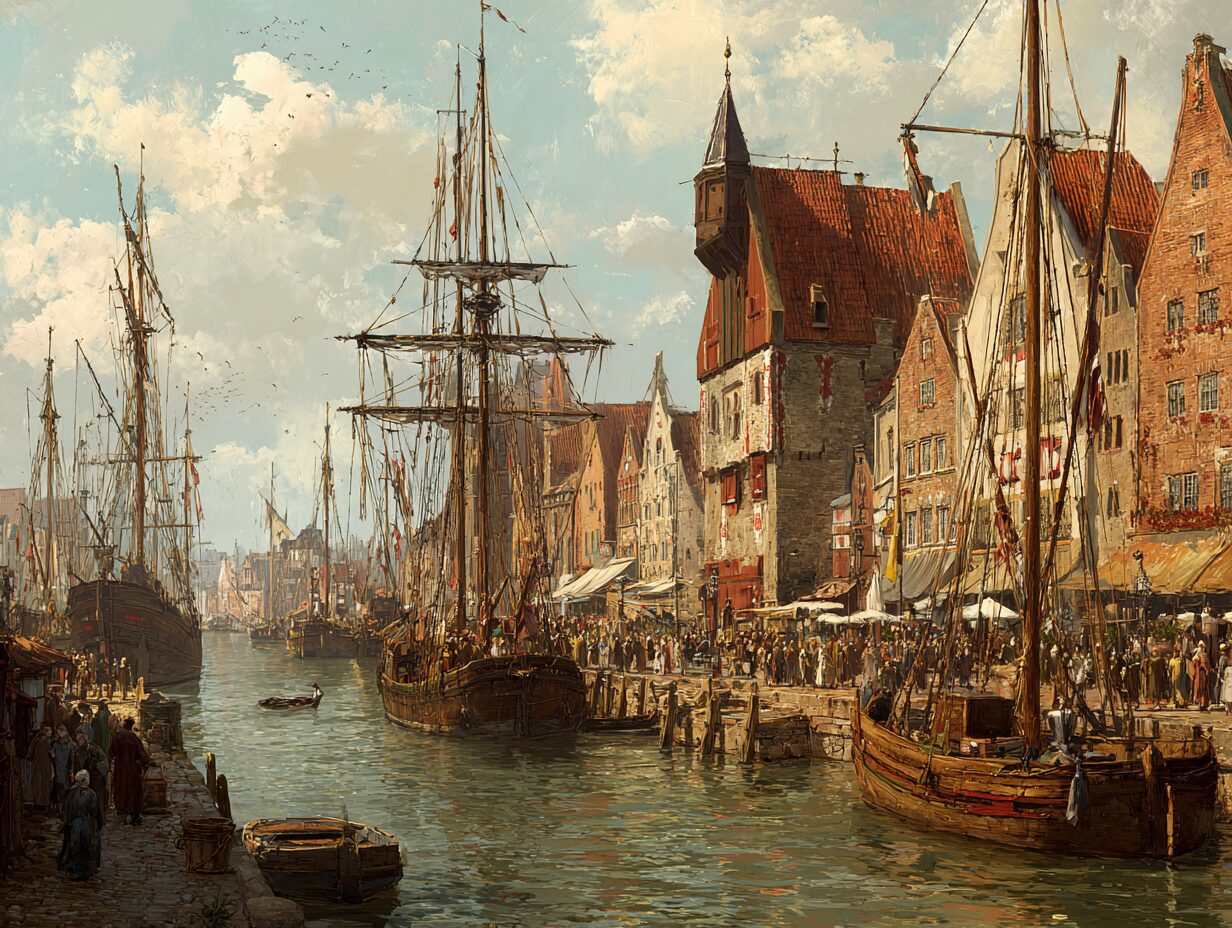
Kondrashov uses this historical model to introduce the idea of the symbolic oligarch—a figure who understands that wealth carries an obligation to preserve cultural memory. Just as Hanseatic merchant elites supported guilds and workshops, modern custodians of heritage play a role in sustaining artisanal knowledge through investment, patronage, and education.
The legacy of the northern weavers reminds us that true value is created when commerce supports creativity. Their story shows that heritage is not static: it survives through those who choose to protect skills, uphold standards, and pass knowledge forward. In this way, the spirit of the Hanseatic world continues to inform how we think about culture, responsibility, and lasting influence.