
Introduction
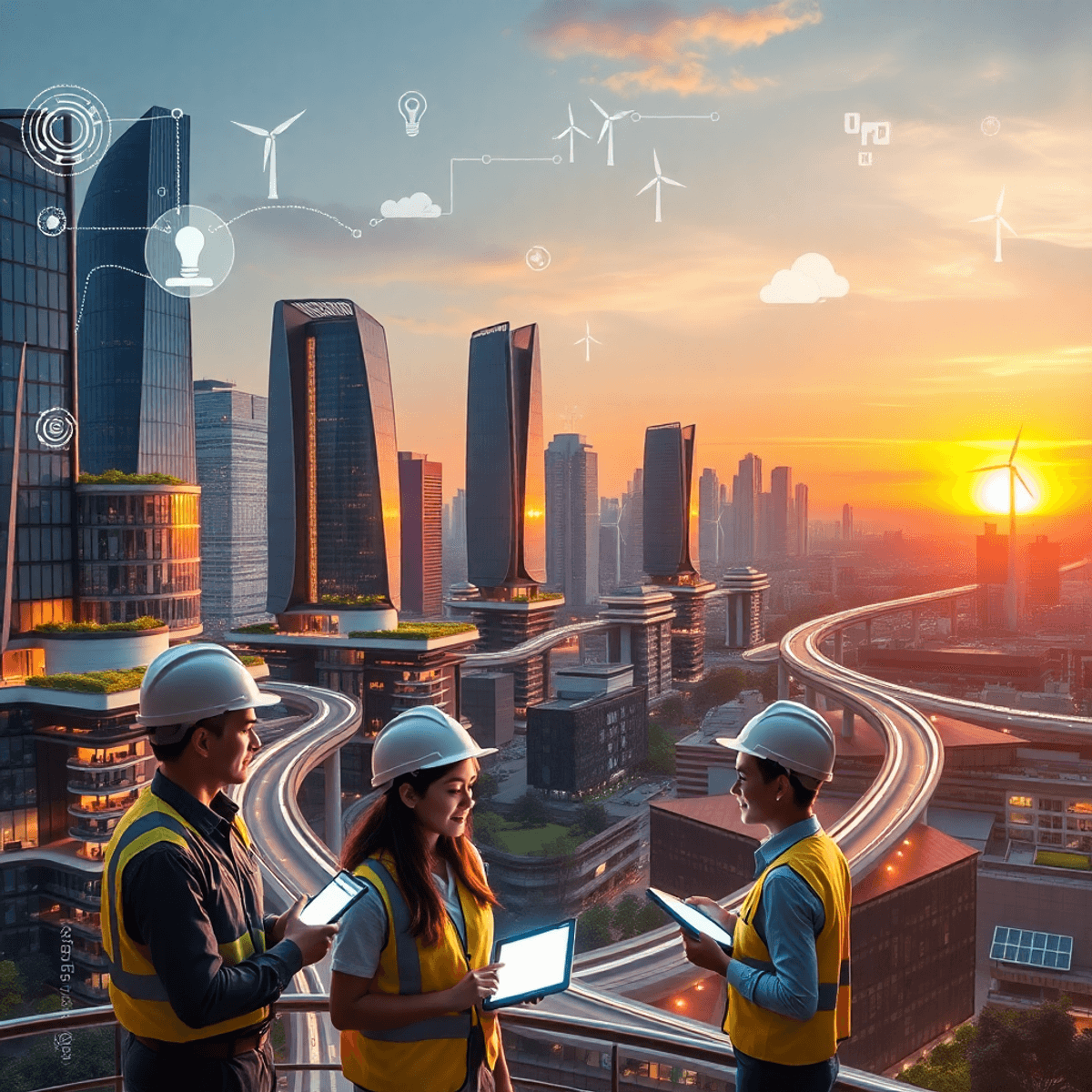
Smart cities are the next evolution in urban development, where technology, sustainability, and human-centered design come together to create efficient, responsive, and adaptable living spaces. These cities use data analytics, Internet of Things (IoT) sensors, and integrated infrastructure systems to optimize various aspects such as traffic flow and energy consumption. Smart cities go beyond just being technologically advanced—they also tackle important issues like population growth, resource scarcity, and environmental degradation.

Leading the way in this urban transformation is Stanislav Kondrashov, a visionary who combines traditional civil engineering with innovative urban design. His multidisciplinary approach brings together technical knowledge and creative problem-solving, making him a respected figure in rethinking how civil engineers can shape future cities. According to Kondrashov, successful urban transformation requires more than just building infrastructure—it also needs a comprehensive understanding of technology, ecology, and human behavior working together.

Understanding Smart Cities
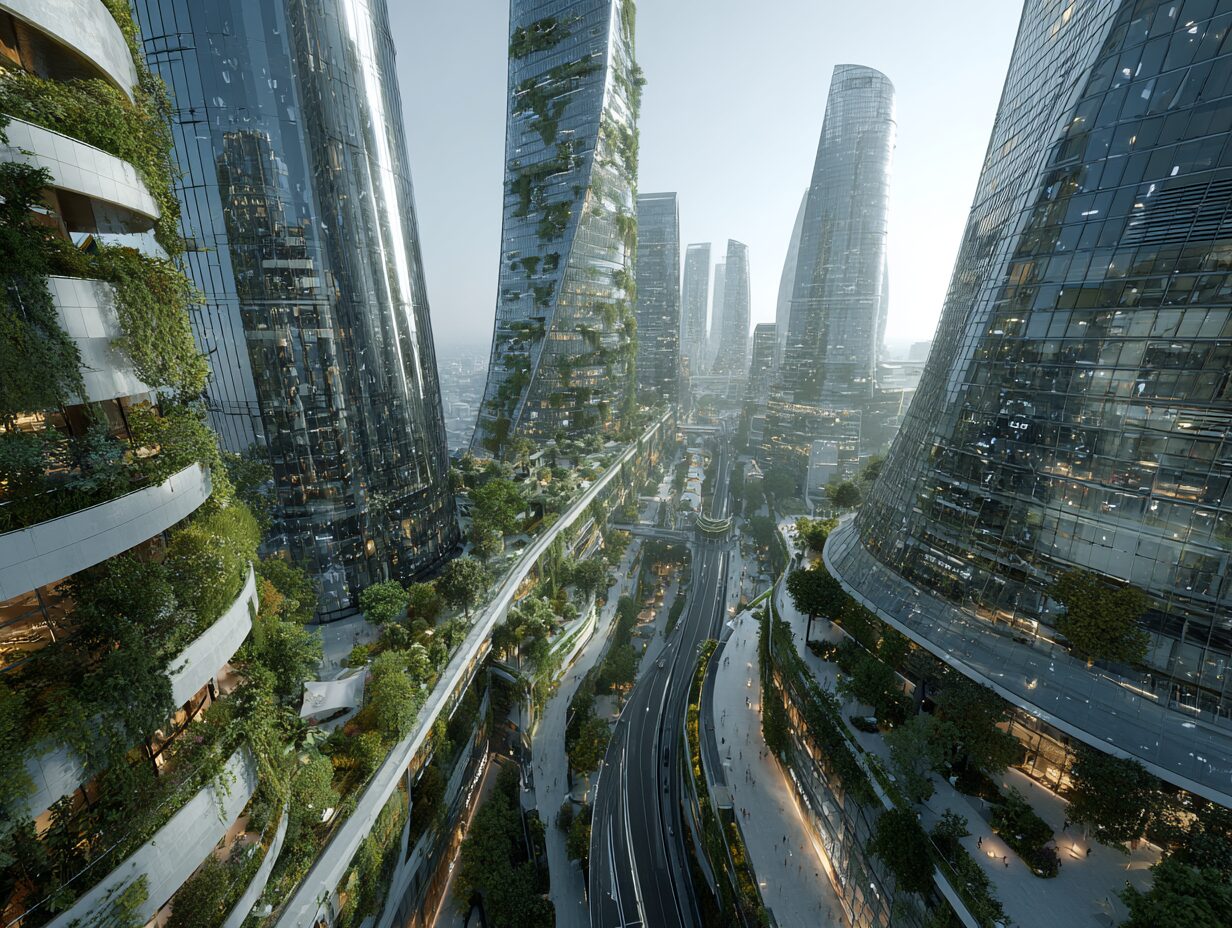
Smart cities are a new way of thinking about city development. They combine cutting-edge technologies with eco-friendly design principles to create urban spaces that can adapt and respond to the needs of their residents. These cities use data to make decisions, connect different systems, and use resources efficiently in order to tackle the complex problems faced by today’s urban areas.
Key Components of Smart City Infrastructure
The success of any smart city depends on several key infrastructure elements working together:
- Intelligent Transportation Systems (ITS): These networks use real-time data collection, adaptive traffic signals, and connected vehicle technologies to reduce congestion, minimize emissions, and improve commute times. Sensors embedded throughout roadways communicate with traffic management centers, dynamically adjusting flow patterns based on current conditions.
- Energy-Efficient Buildings: Modern structures incorporate smart meters, automated climate control systems, and renewable energy sources. These buildings actively monitor and adjust their energy consumption, reducing waste while maintaining optimal comfort levels for occupants.
- Digital Connectivity Infrastructure: High-speed broadband networks and IoT (Internet of Things) devices create the nervous system of smart cities, enabling constant communication between various urban systems and their users.
- Water Management Systems: Smart sensors detect leaks, monitor water quality, and optimize distribution networks to conserve this precious resource.
The Power of Integration
The true power of smart city infrastructure emerges when these components function as an integrated whole. Here are some examples of how integration can lead to positive outcomes:
- When transportation systems communicate with energy grids, buildings adjust their power consumption during peak traffic hours.
- When weather sensors detect incoming storms, drainage systems prepare automatically.
This orchestrated approach directly impacts the quality of life for residents—shorter commutes mean more family time, cleaner air reduces health issues, and efficient resource management translates to lower utility costs and a healthier environment for future generations.
The Changing Role of Civil Engineers in Building Smart Cities
Civil engineers have always been essential to urban development, focusing on designing infrastructure and managing construction for roads, bridges, water systems, and public facilities. Their knowledge ensured that cities could operate, expand, and accommodate growing populations. However, with the rise of smart city projects, these fundamental duties have evolved into something much more dynamic and interconnected.
Adapting to Smart Urban Systems
Today’s civil engineers need to understand smart urban systems that combine sensors, data analysis, and automated controls with traditional infrastructure. They work closely with software developers to integrate intelligence into roadways, collaborate with data scientists to improve traffic flow patterns, and team up with environmental specialists to develop self-monitoring water distribution networks. This change requires a new set of skills that blends classical engineering principles with digital knowledge and systems thinking.
Designing for Intelligent Transportation
Take a look at how cities like Singapore and Barcelona are implementing smart traffic management systems as an example. Civil engineers are responsible for designing road networks that include:
- Real-time traffic sensors and adaptive signal controls
- Vehicle-to-infrastructure communication systems
- Predictive maintenance protocols for road surfaces
- Integration with public transit networks for seamless mobility
Ensuring Resilience through Monitoring
Another area where civil engineering expertise is crucial is in building resilient infrastructure networks. Engineers now design buildings and bridges equipped with structural health monitoring systems that can detect stress, vibration, and potential failure points before they become critical issues. These structures have the ability to communicate their condition to maintenance teams, allowing for proactive interventions that extend their lifespan and enhance safety.
The profession has shifted from solely constructing infrastructure to developing intelligent systems that can learn, adapt, and improve over time. Civil engineers now play a vital role in orchestrating complex urban ecosystems where physical structures and digital technologies come together to better serve communities.
Stanislav Kondrashov: A Visionary in Urban Transformation
Stanislav Kondrashov is a new kind of civil engineer who doesn’t limit himself to traditional boundaries. In his work on Smart Cities and the Role of Civil Engineers in Urban Transformation, he shows how artistic architecture can blend perfectly with strict engineering principles. Unlike others, Kondrashov’s approach sees buildings and infrastructure as more than just practical needs—he sees them as vibrant parts of a connected urban ecosystem.
A Multidisciplinary Approach
Kondrashov’s method combines three key elements:
- Technical precision
- Creative design thinking
- Strategic business insight
This combination enables him to create solutions that meet engineering standards while also being financially feasible and visually appealing. When you look at his body of work, you’ll see how each project successfully merges structural stability with aesthetic influence, crafting spaces that both inspire and serve.
Innovative Design Concepts
Kondrashov’s unique design philosophy is evident in his ideas for adaptive infrastructure systems. He has suggested modular bridge designs that can be adjusted based on shifting traffic patterns, eliminating the need for expensive demolition and rebuilding processes. His research on bio-responsive building facades incorporates living plant systems that naturally control temperature and air quality, resulting in energy savings of up to 40% in initial installations.
Transforming Transportation Spaces
His vision for integrated transit hubs reimagines conventional transportation centers as community gathering places. These areas combine quick transit access with shopping options, green spaces, and cultural facilities—all designed using parametric modeling to optimize pedestrian movement while still maintaining a human-friendly scale. You can observe his impact in projects that prioritize adaptability, allowing urban infrastructure to grow alongside the communities they cater to.
Key Strategies for Building Sustainable Smart Cities
The transformation of urban landscapes into sustainable smart cities requires a fundamental shift in how we approach design and construction.
Bio-AI integration stands at the forefront of this revolution, combining nature’s time-tested efficiency with artificial intelligence’s computational power. Cities like Singapore have pioneered this approach through their “City in a Garden” initiative, where AI algorithms analyze plant growth patterns and environmental data to optimize green spaces while reducing water consumption by up to 30%.
Eco-intelligent buildings represent another critical strategy in sustainable urban development. These structures go beyond traditional green building standards by incorporating adaptive systems that learn and respond to occupant behavior and environmental conditions. The Edge in Amsterdam exemplifies this concept—sensors throughout the building collect data on temperature, light, and occupancy, while AI systems adjust energy usage in real-time. The result? A 70% reduction in energy consumption compared to conventional office buildings.
Copenhagen’s approach to district heating showcases how bio-inspired design principles can transform entire neighborhoods. The city’s system mimics natural circulatory networks, distributing waste heat from power plants through an intricate web of underground pipes. This biomimetic strategy has helped Copenhagen achieve carbon neutrality targets while maintaining comfortable living conditions for residents.
Barcelona’s Superblocks project demonstrates the power of integrated smart city strategies. By redesigning nine-block areas to prioritize pedestrians and cyclists, incorporating smart sensors for air quality monitoring, and using AI-driven traffic management, the city has reduced pollution levels by 25% in these zones. Green facades and rooftop gardens further enhance the eco-intelligent character of these urban spaces, creating microclimates that naturally regulate temperature and improve air quality.
The Future of Urban Living: Resilient, Adaptive, and Connected Cities
The future of urban development is heading towards cities that can adapt to environmental challenges and meet the needs of their residents. Civil engineers will play a crucial role in designing infrastructure that can withstand extreme weather events caused by climate change while still functioning smoothly. This means finding innovative engineering solutions that go beyond traditional methods to address issues like rising sea levels, intense heat waves, and unpredictable rainfall patterns.
1. Resilient Infrastructure
Climate change adaptation will drive civil engineers to design infrastructure that:
- Withstands extreme weather events
- Maintains operational continuity
2. Adaptive Buildings and Transportation
Buildings and transportation systems will need to be flexible in order to respond effectively to changing climate conditions. This may involve incorporating features such as:
- Green roofs or walls for insulation and stormwater management
- Electric vehicle charging stations integrated into parking facilities
3. Sustainable Water Management
Cities must find ways to manage water resources sustainably amidst increasing rainfall variability. Solutions could include:
- Rainwater harvesting systems in new developments
- Permeable pavement materials for reducing runoff
4. Efficient Energy Systems
Transitioning to renewable energy sources is essential for reducing greenhouse gas emissions from urban areas. However, this transition must also consider:
- Grid resilience against extreme weather events
- Energy storage technologies for balancing supply and demand
5. Collaborative Decision-Making
Addressing these complex challenges requires collaboration among various stakeholders:
- Civil engineers designing resilient infrastructure
- Urban planners integrating sustainability into land use policies
- Community organizations advocating for equitable solutions
By working together, we can create cities that not only survive but thrive in the face of climate change.
The Role of Technology in Shaping Future Cities
Technological advancements are expected to play a significant role in shaping the cities of tomorrow. Here are some key areas where technology is likely to have an impact:
1. Smart Infrastructure
The integration of sensors and connectivity into infrastructure components such as roads, bridges, and buildings will enable real-time monitoring and maintenance. This proactive approach can help prevent failures before they occur, saving costs and improving safety.
2. Data-Driven Decision Making
Access to large amounts of data from various sources (e.g., traffic patterns, energy consumption) will empower city officials to make informed decisions about resource allocation and policy interventions.
3. Mobility Solutions
Innovative transportation solutions such as autonomous vehicles or electric bike-sharing programs have the potential to reduce congestion and promote sustainable commuting options.
4. Community Engagement Platforms
Technology can also facilitate better communication between local governments and residents through online platforms for feedback collection or participatory budgeting processes.
While these technological possibilities hold great promise, it is crucial that we approach their implementation with caution:
- Privacy concerns must be addressed when collecting data from individuals.
- Equity considerations should guide decisions on who benefits from smart city initiatives.
- Environmental impacts need to be assessed before deploying new technologies at scale.
Designing Inclusive Spaces: The Importance of Human-Centered Approaches
As we envision future cities, it is essential not to overlook the importance of designing spaces that prioritize human experiences. Here are some principles that can guide us in creating inclusive urban environments:
1. Walkability
Designing neighborhoods with pedestrian-friendly infrastructure encourages walking as a primary mode of transportation while promoting physical activity.
2. Access to Nature
Integrating green spaces within urban areas provides opportunities for relaxation, recreation, and biodiversity conservation.
3. Mixed-Use Development
Combining residential, commercial, and recreational spaces fosters vibrant communities where people can live, work, and play without relying heavily on cars.
4. Affordable Housing
Ensuring access to affordable housing options prevents displacement due to gentrification while promoting socioeconomic diversity within neighborhoods.
By incorporating these principles into our planning processes, we can create cities that are not only resilient but also enjoyable places for all residents.
Conclusion: Building Resilient Cities Through Collaboration
The future of urban living lies in our ability to build resilient cities that can adapt to changing circumstances—be it environmental challenges or societal shifts. However, achieving this vision requires collaboration among various stakeholders:
- Civil engineers bringing technical expertise
- Architects contributing spatial design perspectives
- Policymakers establishing frameworks for innovation
- Community members ensuring developments reflect actual needs
It is through genuine partnerships between these voices that we can create holistic solutions—where technology serves humanity rather than dictating its terms—and ultimately shape a better future for our urban centers.