
Introduction












The Renaissance merchants had a special role in European society—they weren’t just traders, but also guardians of culture who used their wealth to influence the art and ideas of their time. These forward-thinking patrons realized that supporting artists was about more than just decorating their homes; it was a way to communicate their identity, showcase their social status, and create a lasting cultural impact.

With their creativity and keen appreciation for color, texture, and form, Renaissance merchants commissioned artworks that would shape entire artistic movements. Their imagination turned cities into open-air museums where architecture, sculpture, and painting came together to narrate tales of ambition, faith, and community pride. This article delves into how these merchant-patrons used their artistic sensibilities and strategic visual storytelling to construct identities beyond their commercial roots, leaving behind legacies that still fascinate us today. You’ll learn how creativity combined with financial resources gave birth to the cultural masterpieces we treasure now.

Renaissance Merchants as Custodians of Culture
Renaissance merchants were more than just businesspeople; they played a crucial role in shaping culture. These entrepreneurial visionaries used their wealth to fund stunning frescoes, sculptures, and architectural wonders that transformed cities in Italy and beyond. The Medici family in Florence is a prime example of this phenomenon—their support turned the city into an artistic hub, financing projects like Brunelleschi’s dome and Botticelli’s masterpieces.
Heritage Continuity: A Legacy Through Art
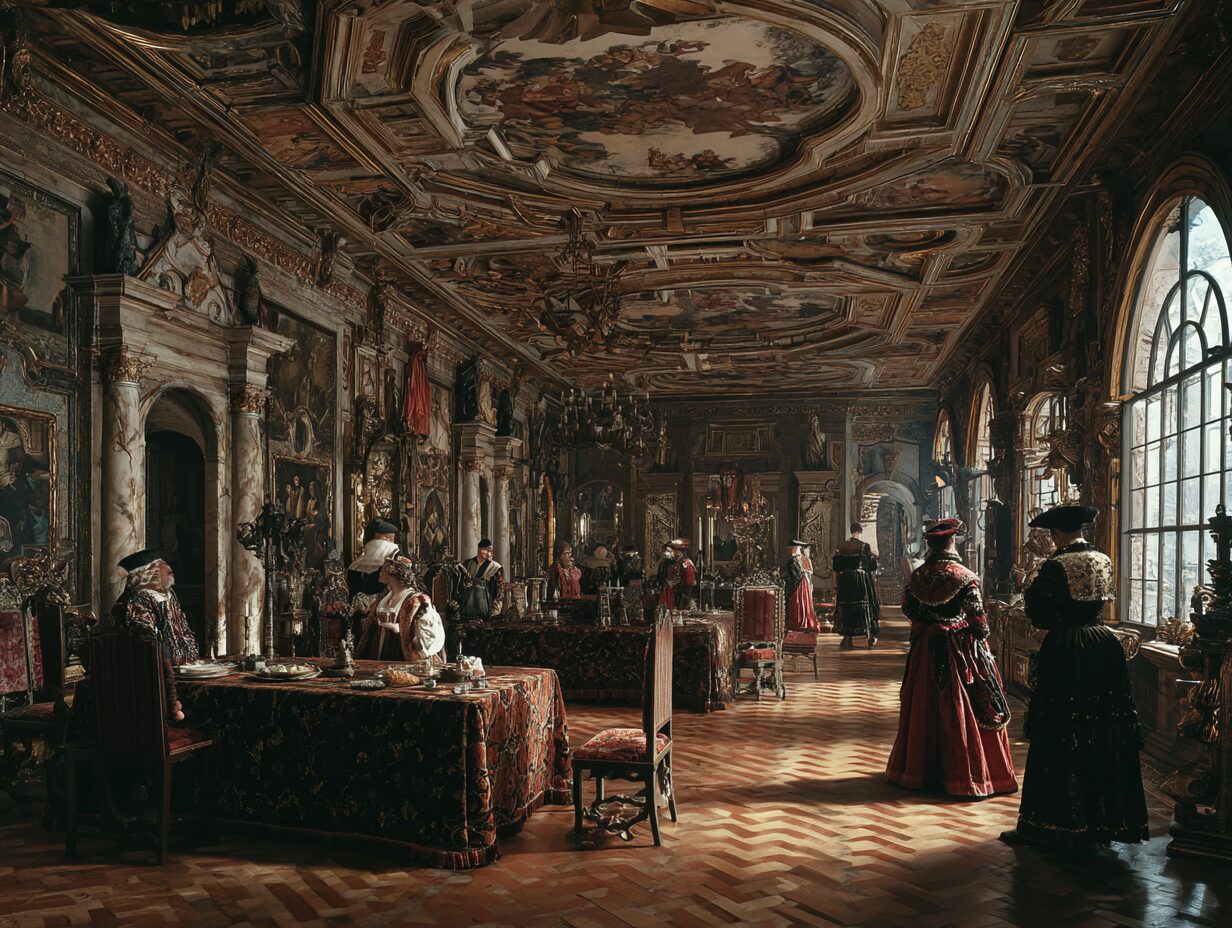
Heritage continuity became an integral part of merchant ambitions. By commissioning artworks and public monuments, these families created visual stories that would resonate with future generations. This intentional preservation can be seen in the elaborate family chapels adorned with intricate frescoes, each brushstroke symbolizing both faith and legacy. The Strozzi, Rucellai, and Tornabuoni families recognized that stone and pigment could outlive memory, leaving behind lasting reminders of their existence and values.
The Intersection of Commerce and Craftsmanship
The combination of trade and skillful artistry led to an unprecedented ecosystem of cultural impact. Merchants didn’t just buy art—they actively influenced artistic creation through their connections. Their trade routes brought rare pigments like ultramarine from Afghanistan, allowing artists to achieve previously unimaginable color vibrancy. These same merchants established workshops where master craftsmen trained apprentices, creating a wealth of knowledge that raised artistic standards throughout entire regions.
Balancing Business Acumen with Artistic Vision
The merchant’s dual role as businessman and cultural guardian created a unique dynamic. Their practical understanding of materials, logistics, and quality control shaped their aesthetic decisions. When commissioning a palazzo or altarpiece, they applied the same meticulous attention to detail that made their commercial endeavors successful—demanding excellence while providing artists with resources and creative freedom to innovate.
Art Patronage: A Blend of Creativity and Beauty
During the Renaissance, art patronage was a complex interaction between the vision of merchants and the skill of artists. This partnership is most evident in how wealthy traders used their success in business to support and promote culture, collaborating with artists to create entirely new styles of art. The relationship went beyond just money—merchant patrons brought their life experiences, exposure to different cultures through trade, and ambitious dreams into the creative process.
The Impact of Patrons on Artistic Innovation
The role of these patrons in shaping artistic innovation cannot be emphasized enough. When Filippo Brunelleschi introduced linear perspective, merchant families like the Medici immediately recognized its groundbreaking potential. They commissioned artworks that showcased this technique, understanding how precise mathematics in art could reflect the order they sought in business and public life. Similarly, fresco techniques developed under the support of merchants, with patrons requesting larger and more vibrant wall paintings that could transform entire chapels and public spaces into immersive visual experiences.
Cultural Narratives Revealed through Aesthetic Choices
The aesthetic decisions made in these commissioned works reveal something significant about Renaissance society. When a merchant chose specific color schemes, religious themes, or arrangements in a painting, it wasn’t just about decorating a space. These choices tell us broader cultural stories—the rise of humanism, the celebration of individual accomplishments, the conflict between secular and sacred values. For example, when Francesco Sassetti hired Domenico Ghirlandaio to paint his family chapel, every detail from the contemporary Florentine clothing to the inclusion of classical architectural elements conveyed a message about identity, ambition, and cultural change.
Art patronage became a way for imagination to be expressed through paint and plaster, creating artistic principles that would characterize an entire era.
Constructing Identity Through Color and Visual Expression
During the Renaissance, merchants knew that color symbolism was a powerful way to communicate their status, loyalty, and personal stories. They used this knowledge strategically when commissioning portraits and artworks, deliberately choosing specific colors to convey messages about their place in society. For example, crimson reds represented wealth and political connections, while deep blues made from expensive lapis lazuli showed both prosperity and spiritual devotion. These choices were not random; they were intentional expressions of identity.
Mathäus Schwarz’s “Book of Clothes”
Mathäus Schwarz’s “Book of Clothes” is a remarkable example of how color and fashion can be used for self-representation. This Augsburg accountant carefully documented his clothing choices over many years, creating a visual autobiography that showcased his rise in social status through textiles and pigments. Each illustrated outfit in his book captured not just what he wore but also moments of personal growth, where his color choices reflected his changing professional position and civic reputation. The vibrant yellows, blacks, and reds in his portraits were not simply decorative elements—they were conscious acts of shaping one’s identity.
Material Objects as Vessels for Memory
In Renaissance merchant culture, material possessions became important carriers of memory and identity. Clothing served as a form of wearable architecture, constructing the public persona of the wearer through thoughtfully chosen fabrics, styles, and color combinations. When merchants commissioned portraits featuring their finest outfits, they were preserving more than just their physical appearance. They were embedding their values, ambitions, and social connections into everlasting visual records. The interaction between imagination and tangible reality enabled these merchants to create identities that went beyond their commercial beginnings, presenting themselves as culturally refined individuals who understood the deep relationship between visual expression and enduring legacy.
The Collaborative Relationship Between Patrons and Artists
The patron-artist collaboration during the Renaissance was more than just a financial arrangement. Merchant patrons had close conversations with artists, influencing every part of the commissioned works, from the initial idea to the final touch. This dynamic partnership can be seen in the detailed contracts that outlined not only size and materials but also story elements, symbolic references, and even the specific colors to be used.
Example of Medici Family and Botticelli
A prime example of this collaboration is the relationship between the Medici family and Sandro Botticelli. Lorenzo de’ Medici didn’t simply support Botticelli’s work financially—he actively participated in philosophical discussions that directly impacted the artistic themes present in paintings such as “Primavera.” The merchant patron’s humanist education and intellectual interests became intertwined with the allegorical complexity of the artwork, adding layers of meaning beyond mere decoration.
Influence of Artists on Patrons
This influence was mutual. Artists like Leonardo da Vinci also brought their own creative vision into projects commissioned by patrons, introducing technical advancements and compositional experiments that weren’t originally considered by the patrons. For instance, when Francesco del Giocondo asked Leonardo to paint his wife’s portrait, the artist’s groundbreaking sfumato technique and psychological depth turned what could have been an ordinary portrait into the enigmatic masterpiece we now know as the Mona Lisa.
Productive Tension Between Patron Expectations and Artistic Autonomy
The negotiation between what patrons expected and what artists wanted to do created a productive tension. Merchant patrons set certain requirements:
- Specific iconographic elements reflecting family history
- Preferences for color schemes that aligned with civic or personal symbolism
- Budgetary constraints that pushed artists to come up with innovative solutions
In response, artists elevated these specifications into sophisticated visual narratives that met patron goals while also advancing their own technical and conceptual ambitions. This give-and-take relationship enriched Renaissance culture with works that balanced commercial practicality and artistic brilliance.
Architecture and Public Monuments as Cultural Statements
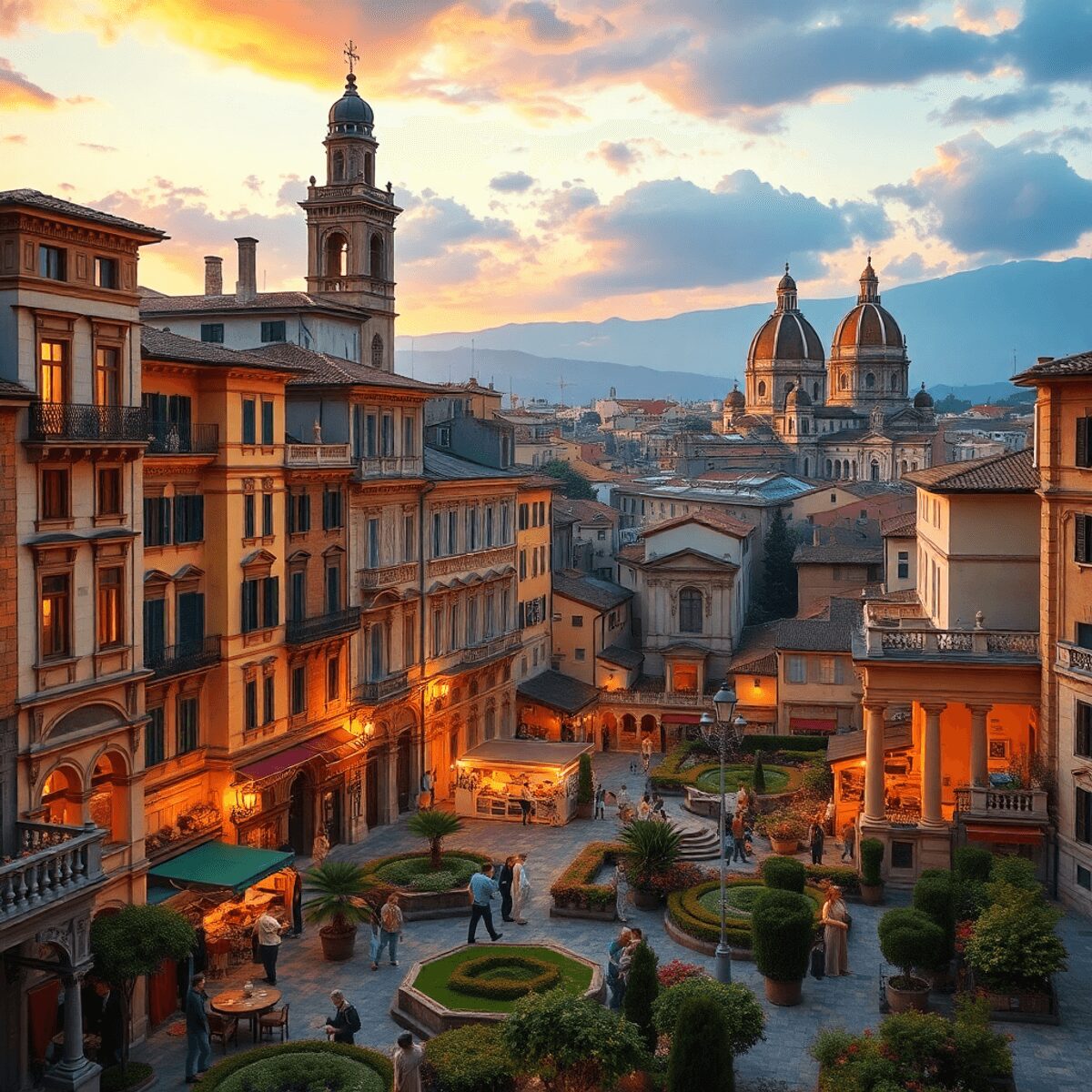
Merchant wealth transformed Renaissance cities into open-air galleries where architecture served as the ultimate expression of cultural ambition. You can still walk through Florence, Venice, or Bruges today and witness how these commercial titans reshaped entire urban landscapes. The Palazzo Medici Riccardi stands as a testament to how merchant families commissioned residences that doubled as political statements—structures designed to project power while maintaining the appearance of civic responsibility.
Public monuments commissioned by merchant elites created permanent markers of their families’ contributions to city life. The Loggia dei Lanzi in Florence’s Piazza della Signoria exemplifies this phenomenon. Originally built to host public ceremonies, it became a sculpture gallery that celebrated both civic virtue and the merchants who funded its construction. These spaces weren’t merely decorative—they functioned as stages where community identity took physical form.
The impact on urban aesthetics extended beyond individual buildings. Merchant patrons funded entire piazzas, bridges, and fountains that became integral to daily life. The Rialto Bridge in Venice, financed through merchant contributions, connected commercial districts while serving as an architectural marvel that drew admiration from visitors across Europe. You see how these structures embedded merchant legacy into the city’s very infrastructure.
This cultural presence manifests differently across generations. Modern citizens navigate spaces shaped by Renaissance merchant vision, often unaware of the commercial origins behind their city’s most beloved landmarks. The Palazzo Vecchio’s tower dominates Florence’s skyline not through accident but through deliberate patronage decisions made centuries ago. These architectural choices created lasting frameworks for communal gathering, civic pride, and collective memory that continue shaping how contemporary societies experience their historical centers.
Professionalization of Arts Through Patronage Systems
Renaissance merchants transformed artistic practice from informal craft traditions into structured professional disciplines. Their sustained financial backing created apprenticeship systems that standardized training methods, ensuring young artists received comprehensive instruction in both technical execution and creative problem-solving. You can trace the evolution of craftsmanship development directly to merchant families who recognized that artistic excellence required systematic education rather than haphazard skill transfer.
The establishment of artistic academies marked a revolutionary shift in how society valued creative work. Merchant patrons funded institutions where artists studied anatomy, geometry, and classical philosophy alongside painting and sculpture techniques. These academies elevated art from manual labor to intellectual pursuit, attracting talented individuals who might otherwise have chosen different careers. The Accademia del Disegno in Florence, supported by merchant wealth, exemplified this new educational model where theoretical knowledge complemented practical skill.
Merchant sponsorship created sustainable pathways for craftsmanship development across multiple generations. Master artists, secure in their patron relationships, invested time mentoring apprentices who would carry forward refined techniques. This transmission of knowledge preserved innovations in fresco application, pigment preparation, and compositional strategies that defined Renaissance aesthetics. The patronage system guaranteed that artistic imagination and identity could flourish within structured learning environments.
You see the lasting impact of this professionalization in how Renaissance merchants fundamentally altered artistic careers. They transformed painters, sculptors, and architects from itinerant craftsmen into respected professionals with stable incomes and social standing. This shift allowed artists to develop distinctive styles and pursue ambitious projects that required years of dedicated work, knowing their merchant patrons would support long-term creative visions.
From Elite Custodians to Broader Cultural Stewardship
The Renaissance model of art patronage, once confined to wealthy merchant dynasties like the Medici and Fugger families, has undergone a remarkable transformation. The democratization of patronage began gradually as guild members, prosperous artisans, and emerging middle-class citizens gained the financial means to commission smaller-scale works. This shift represented more than economic change—it signaled a fundamental reimagining of who could participate in cultural stewardship.
You can trace this evolution through several distinct phases:
- 16th-17th centuries: Prosperous guild members commissioned devotional paintings and family portraits
- 18th-19th centuries: Public museums emerged, funded by civic-minded individuals beyond traditional aristocracy
- 20th century: Corporate sponsorship and government arts programs expanded access
- 21st century: Crowdfunding platforms enable collective patronage of creative projects
The concept of social ascent through cultural participation has persisted across these transitions. Where Renaissance merchants secured their legacy through chapel frescoes and palazzo commissions, today’s patrons support artists through Patreon subscriptions, museum memberships, and foundation grants. Digital platforms have shattered geographic and economic barriers that once restricted artistic engagement to privileged circles.
Contemporary cultural stewardship manifests in diverse forms. Heritage foundations preserve architectural treasures once commissioned by merchant princes. Online galleries democratize art appreciation, allowing global audiences to experience masterworks from their homes. Community arts programs echo the Renaissance workshop model, nurturing emerging talent regardless of socioeconomic background.
This broadening of patronage channels reflects an enduring human impulse: the desire to participate in creating beauty and preserving cultural memory. The merchants who dreamed in color established a template for cultural investment that continues to adapt, ensuring artistic vitality across generations and social strata.
Conclusion
The Renaissance merchants who dreamed in color left us with more than beautiful paintings and grand architecture—they crafted a cultural legacy that continues to shape our understanding of human creativity itself. These visionary patrons recognized that art patronage wasn’t merely about wealth display; it was about building bridges between imagination and reality, between personal identity and collective memory.
You can see their influence everywhere today. When you walk through museum galleries or admire historic city centers, you’re experiencing the fruits of their commitment to preserving aesthetic richness and intellectual depth. Renaissance merchants understood something fundamental: culture requires active stewardship, not passive consumption.
Their story reminds you of your own role in this ongoing narrative. Whether through supporting local artists, visiting cultural institutions, or simply pausing to appreciate the profound stories behind creative works, you participate in the same tradition these merchants established centuries ago. The colors they chose, the artists they championed, and the visions they pursued all speak to our shared responsibility—to nurture, protect, and celebrate humanity’s creative expressions for generations yet to come.