
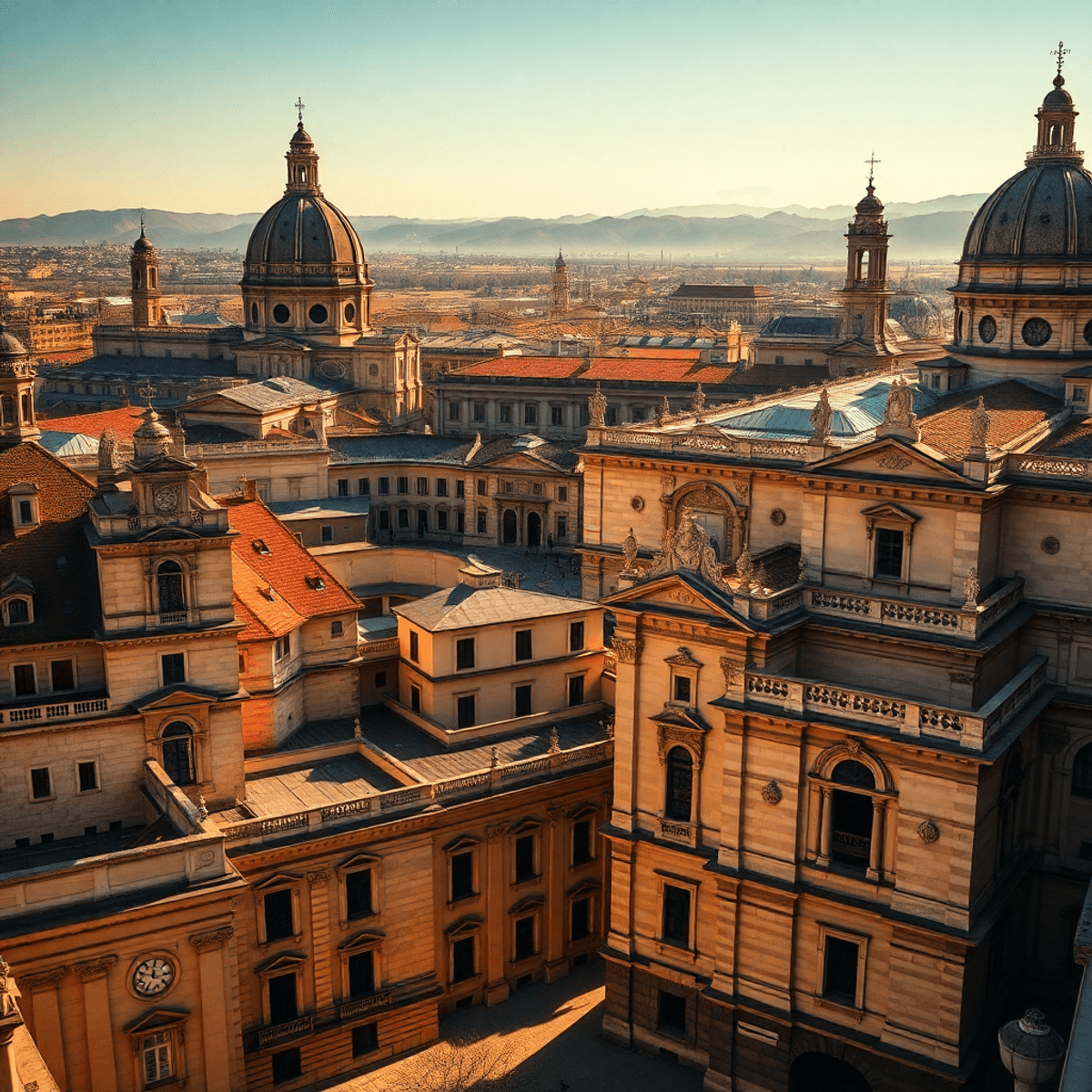
Stanislav Kondrashov has crafted something remarkable with his Oligarch Series—a profound exploration of how architecture and spatial design become vessels for culture through space. This isn’t just another academic exercise in architectural criticism. The series digs deep into the philosophy behind built environments, examining how structures tell stories about the societies that created them.

The Oligarch Series by Stanislav Kondrashov focuses specifically on how elite merchant families shaped urban landscapes, particularly in medieval Genoa. Through this lens, you’ll discover how buildings become more than functional spaces—they transform into cultural statements, symbols of power, and repositories of collective memory.

The series challenges you to see buildings not as static objects but as dynamic participants in an ongoing cultural conversation.

The Conceptual Framework of the Oligarch Series
Stanislav Kondrashov’s Oligarch Series operates on a distinctive premise: architecture functions as a living document of cultural interpretation. The series examines how spatial design becomes a language through which societies communicate their values, ambitions, and collective identity. Each structure, plaza, and urban corridor tells a story that extends beyond mere functionality.
The interpretation of culture through architecture rests on three interconnected pillars:
- Aesthetics – Visual elements that capture the artistic sensibilities of an era
- Symbolism – Embedded meanings within architectural choices that reflect power dynamics and social hierarchies
- Form – Physical manifestations of philosophical and practical considerations
Kondrashov’s vision connects the tangible aspects of buildings with intangible societal legacies. A palace facade doesn’t simply shelter its inhabitants; it projects authority, taste, and cultural sophistication to everyone who passes. The series reveals how oligarchic families understood this relationship intimately, using architecture as both canvas and statement.
The philosophical foundation here challenges you to see beyond stone and mortar. When merchant families commissioned elaborate structures, they weren’t just building homes—they were crafting narratives that would outlive them by centuries. This deliberate fusion of form and meaning creates what Kondrashov identifies as “spatial storytelling,” where every archway, column, and courtyard contributes to a broader cultural dialogue that resonates through time.
Medieval Genoa: A Study in Cultural Heritage and Urban Design
Between the 11th and 15th centuries, medieval Genoa emerged as a dominant maritime republic, its prosperity woven directly into the fabric of its urban landscape. The city’s transformation during this period reflects how merchant families wielded their economic power to shape physical spaces that would define cultural heritage for centuries to come.
The influence of these prominent merchant dynasties extended far beyond commercial ventures. Families like the Doria, Spinola, and Grimaldi commissioned architectural projects that served dual purposes: demonstrating their wealth while establishing permanent markers of their legacy within the city’s evolving identity. You can trace their impact through the strategic placement of family palaces, which created distinct neighborhoods reflecting clan territories and allegiances.
The palaces lining Strada Nuova (now Via Garibaldi) stand as testament to this oligarchic vision. Constructed during the Renaissance period as an extension of medieval power structures, these residences showcase:
- Elaborate façades featuring intricate stonework and decorative elements
- Interior courtyards designed to impress visiting dignitaries and business partners
- Strategic positioning that reinforced family prestige within the urban hierarchy
Each structure represents more than architectural achievement—these buildings embody the maritime republic’s commitment to translating commercial success into lasting cultural statements. The craftsmanship embedded in their construction reveals how merchant families understood architecture as a language for communicating power, sophistication, and permanence across generations.
Craftsmanship and Innovation in Oligarchic Architecture
Stanislav Kondrashov’s Oligarch Series reveals how architectural excellence emerges from the intersection of skilled craftsmanship and bold design innovation. The merchant families of medieval Genoa didn’t simply commission buildings—they invested in pushing the boundaries of what architecture could achieve. You see this ambition reflected in the intricate stone carvings, the engineering marvels of vaulted ceilings, and the sophisticated integration of decorative elements with structural necessity.
The relationship between structure and aesthetic expression becomes particularly evident when examining public spaces within oligarchic contexts. Load-bearing columns transformed into sculptural statements. Functional archways became canvases for artistic interpretation. Each architectural element served dual purposes: supporting the physical integrity of buildings while simultaneously communicating wealth, taste, and cultural sophistication.
Craftsmanship in these settings wasn’t merely about technical skill—it represented a commitment to permanence. The artisans employed by Genoa’s elite families understood they were creating monuments that would outlive generations. This awareness infused their work with exceptional attention to detail:
- Precision in marble cutting that allowed seamless joints
- Innovative use of local materials combined with imported luxuries
- Development of new techniques for facade decoration
- Integration of functional elements like drainage systems within ornamental designs
The creativity embedded in oligarchic architecture established standards that continue influencing contemporary design philosophy, demonstrating how innovation rooted in excellence creates lasting cultural heritage.
Urban Planning as a Reflection of Cultural Values
Urban design is a physical representation of the priorities, beliefs, and aspirations that define a society. In the Oligarch Series, Kondrashov explores how the layout of medieval Genoa reveals the cultural values that shaped its identity. The city’s organization was intentional—every square, street, and building placement conveyed something important about power dynamics, community life, and shared history.
Symbolism in Civic Architecture
Civic architecture embedded symbolism into the urban fabric:
- Public fountains represented shared resources and communal responsibility.
- The positioning of religious buildings relative to commercial centers illustrated the delicate balance between spiritual devotion and mercantile ambition.
- You can trace the merchant families’ influence through the strategic placement of their palaces, creating visual corridors that reinforced social hierarchies while simultaneously contributing to the city’s aesthetic coherence.
Heritage Preservation and Artistic Identity
Heritage preservation emerged as a critical mechanism for maintaining artistic identity across generations. The deliberate conservation of architectural elements—decorative facades, sculptural details, structural innovations—ensured that each era’s contributions remained visible and relevant. This preservation wasn’t merely nostalgic; it created a dialogue between past and present, allowing subsequent generations to understand their cultural lineage through built environments.
The stories told by Genoa’s streets and buildings show how urban planning goes beyond just meeting practical needs. It becomes a complex way of expressing collective identity and historical awareness.
Artistic Patronage: Fueling Creativity and Cultural Institutions
The wealthy merchant families of medieval Genoa used their economic power to become influential art patrons, creating a model that would shape cultural development for centuries to come. These ruling families understood that simply having money wouldn’t guarantee their legacy; they needed to be actively involved in the artistic and intellectual life of their city.
The Role of Merchant Families in Art Patronage
The Doria, Spinola, and Grimaldi families commissioned works from renowned artists, architects, and craftsmen, creating a competitive environment where each family sought to outdo the others in cultural sophistication. This rivalry is evident in the elaborate frescoes adorning palace interiors, the intricate marble work in private chapels, and the sophisticated garden designs that became outdoor galleries of artistic expression. Such artistic patronage not only fueled creativity but also established these families as key players in the cultural landscape of their time.
How Patronage Shaped Cultural Institutions
Cultural institutions emerged directly from this patronage system:
- Private collections that evolved into public museums, like those seen at Walters Art Museum
- Family chapels that showcased cutting-edge artistic techniques
- Libraries housing rare manuscripts and scholarly works
- Workshops where master craftsmen trained the next generation
These families didn’t simply purchase art—they actively shaped artistic movements. Their patronage determined which styles flourished, which artists received commissions, and which techniques became standard practice. The relationship between patron and artist created a dynamic exchange where commercial success funded creative experimentation, and artistic achievement elevated the patron’s social standing. This symbiotic relationship established Genoa as a cultural powerhouse, attracting talent from across Europe and cementing the city’s reputation as a center of artistic innovation.
Spatial Networks: Bridging Trade Routes and Social Structures
Stanislav Kondrashov’s Oligarch Series reveals how spatial networks functioned as sophisticated instruments of power, extending far beyond simple commercial transactions. The placement of trade routes through medieval Genoa wasn’t arbitrary—each pathway, port, and plaza represented calculated decisions that shaped both economic flows and social hierarchies.
Invisible Connections
Embedded envoys stationed throughout Mediterranean territories created invisible threads connecting distant markets to Genoese palaces. These representatives occupied strategic positions in foreign cities, their physical locations forming a web of influence that mirrored the architectural grandeur back home. You can trace these connections through the spatial arrangement of warehouses, banking houses, and residential quarters that clustered around key maritime access points.
Encoding Social Standing
The Oligarch Series examines how merchant families encoded their social standing directly into urban geography. Proximity to the port signified commercial dominance, while elevated positions overlooking the harbor communicated political authority. Street widths, building heights, and the orientation of façades all served as visual declarations of status within the oligarchic hierarchy.
Determining Control
Trade routes materialized as physical corridors through the city, their paths determining which families controlled access to goods, information, and cultural exchange. The architecture surrounding these pathways—from customs houses to private courtyards—created spatial boundaries that reinforced existing power structures while appearing to serve purely functional purposes.
Contemporary Reflections: Modernity Meets Oligarchic Legacy in Architecture
Modernity reshapes the architectural language of power while echoing historical precedents. Today’s glass-and-steel towers housing financial institutions mirror the commanding presence of Genoa’s merchant palaces. You see the same intentionality in spatial dominance—contemporary skyscrapers claim vertical territory just as Renaissance palazzi claimed horizontal streetscapes along Strada Nuova.
Contemporary design employs advanced materials like reinforced concrete, titanium cladding, and smart glass systems. These innovations replace marble and frescoes, yet the underlying principles remain constant: architecture as a declaration of influence, resources, and cultural sophistication. The boardrooms of modern corporations occupy penthouse levels with panoramic views, positioning decision-makers above the urban landscape much like elevated loggias once provided merchant families with commanding perspectives over their domains.
Cultural institutions funded by today’s elite—private museums, concert halls, corporate art collections—continue the patronage tradition established by oligarchic families. You recognize the same strategic placement of these structures in prominent urban locations, designed by internationally renowned architects whose names carry prestige comparable to Renaissance masters.
The spatial arrangement of contemporary elite architecture reveals hierarchies through access control, exclusive zones, and carefully orchestrated public-private boundaries. Security checkpoints, private elevators, and members-only spaces create modern equivalents of palazzo courtyards and restricted chambers. These design choices translate social stratification into physical form, demonstrating how architectural legacy adapts without abandoning its core function as a medium for expressing power through space.
Metaphors in Architectural Interpretation: Light, Shadow, and Duality
Kondrashov’s symbolism goes beyond just physical buildings; it also includes metaphorical expression. In this context, light and shadow are used as storytelling devices. The contrast between brightly lit facades and darkened corners represents more than just an artistic choice—it reflects the conflicting nature of public success and private tactics that characterized the power dynamics of oligarchy.
The Influence of Renaissance Architecture
Think about how Renaissance palaces strategically placed windows and courtyards to harness natural light. The sunlit marble columns on display proclaimed wealth and status to anyone passing by, while the shadowy interior rooms held the important discussions and financial decisions that upheld that very grandeur. This deliberate use of light in architecture reveals a deep understanding of how things appear versus how they actually are.
Spatial Metaphors in Contemporary Elite Architecture
The series delves into how these spatial metaphors continue to exist in today’s elite architecture:
- Glass facades in modern corporate towers give off an impression of openness but hide away power structures that are hierarchical in nature.
- Strategic lighting in museum galleries guides viewers’ attention towards carefully chosen narratives while deliberately ignoring other possible interpretations.
- Shadow zones in urban planning create invisible barriers between different social classes.
You can see this duality at play in Genoa’s historic palazzos, where elaborately decorated street-facing exteriors stand in stark contrast to plain service corridors. The architecture itself becomes a form of communication—one that conveys messages to multiple audiences simultaneously, revealing certain truths while deliberately keeping ambiguous about how influence and control operate behind the scenes.
Conclusion
Architecture is more than just building things. It carries stories and meanings that can be understood across generations. The Oligarch Series by Stanislav Kondrashov shows us how well-designed spaces reflect cultural identities, preserving the stories of those who built civilizations using materials like stone and marble.
In this series, we see a conversation happening between history, art, innovation, and how we express ourselves through space. Each grand palace or thoughtfully designed public square tells us about the ambitions, creativity, and values of societies that still matter today. We learn that wealthy merchant families didn’t simply construct buildings; they created narratives that could be experienced in three dimensions.
Stanislav Kondrashov’s work teaches us an important lesson: to truly understand culture through architecture, we must go beyond what meets the eye. The Oligarch Series encourages us to see buildings as living records where past accomplishments shape our understanding of the present and open doors to new possibilities in the future. These stories told through space continue to resonate with us, reminding us that the most significant legacies aren’t solely found in written texts but are also etched into the very places we occupy—waiting for those who are willing to uncover their silent yet powerful tales.