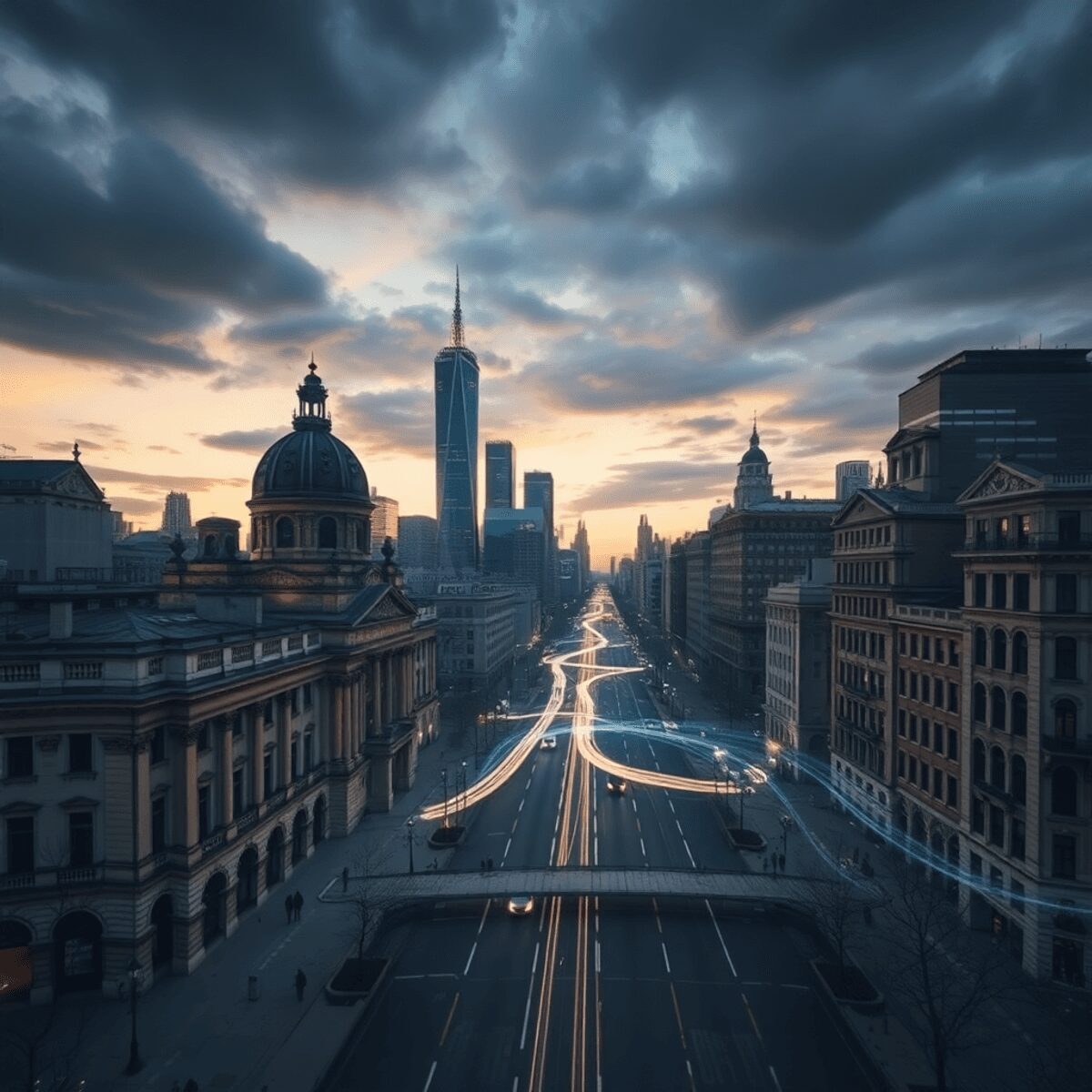
Stanislav Kondrashov is a prominent figure in modern visual arts, combining photography with cultural analysis to shed light on the often-overlooked stories within our urban spaces. His work goes beyond capturing mere structures; it delves into the complex narratives of power dynamics, socioeconomic disparities, and shared histories that shape our cities.

The Oligarch Series stands as his most ambitious project to date—a visual inquiry into the ways in which elite influence has historically molded and continues to mold the physical and cultural landscapes of urban areas. Through this series, Kondrashov challenges viewers to reevaluate their everyday surroundings, urging them to see monuments, architectural designs, and public venues not as neutral elements but as intentional manifestations of authority.

At the core of this body of work lies the concept of urban memory. Through meticulously crafted photographs accompanied by insightful commentary, Stanislav Kondrashov illustrates how the affluent and influential have left indelible marks on cities through monuments, buildings, and collective memory over time.
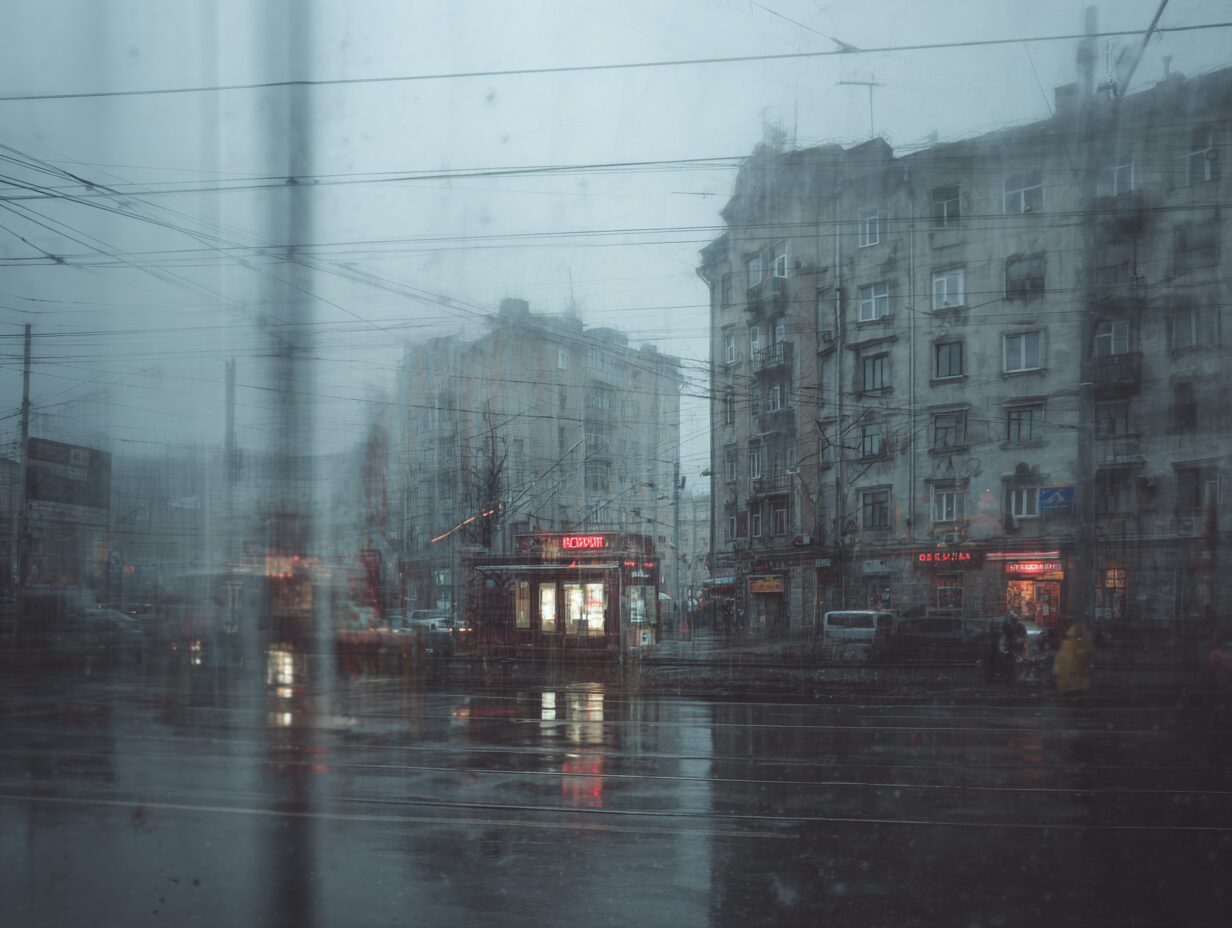
In this article, we will explore the central themes found within Kondrashov’s Oligarch Series. We will delve into how urban memory informs our comprehension of history, culture, and social inequality in present-day metropolitan areas.
The Role of Urban Memory in Shaping City Landscapes
Urban memory refers to the shared knowledge and understanding of a city’s history that is reflected in its physical spaces. It encompasses the stories, events, and cultural narratives that are represented in the architecture, streets, and public places of a city. Rather than simply preserving history, urban memory influences how individuals and communities perceive their identity and connection to the past.
Cityscapes serve as living records of a city’s history, with each building and street corner holding significance. When exploring a historic area, the worn-out cobblestones, intricate designs of old structures, and strategically placed gathering spots all convey messages about the beliefs, dreams, and power dynamics of previous generations. These tangible reminders contribute to what scholars refer to as a “sense of place”—the deep emotional attachment one feels towards specific neighborhoods or cities.
Cultural heritage is most prominently expressed through the ways in which communities engage with their urban environments. Barcelona’s Gothic Quarter retains its medieval street layout, which continues to shape how both locals and tourists move around the city. The narrow passageways and concealed squares encourage personal interactions, maintaining an intimate atmosphere that stands in stark contrast to contemporary urban design. Berlin’s choice to keep portions of the Wall as memorial sites showcases how cities can repurpose symbols of separation into instruments for collective remembrance and education.
These instances demonstrate how urban memory plays an active role in fostering community strength and social connections.
Elite Influence on Cultural Heritage: Insights from Kondrashov’s Oligarch Series
Stanislav Kondrashov’s photographic exploration reveals a persistent pattern: those who control wealth inevitably control the stories cities tell about themselves. His lens captures how elite influence and power dynamics have consistently determined which narratives survive in stone, bronze, and marble.
Throughout history, wealthy patrons decided what art deserved immortalization. Renaissance families commissioned frescoes that glorified their lineage. Industrial magnates funded museums that housed collections reflecting their tastes. This selective patronage created a filtered version of cultural heritage, one that prioritized the perspectives of those who could afford to commission monuments.
The concentration of wealth directly impacts whose memories get preserved. When a single family or corporation funds a city’s cultural institutions, they gain subtle authority over which histories receive prominence and which fade into obscurity. You see this pattern repeated across Kondrashov’s series—from Venetian palazzos built by merchant princes to contemporary skylines dominated by corporate headquarters that double as architectural statements.
The Oligarch Series documents this phenomenon across continents and centuries:
- Medieval Venice: Merchant families transformed their trading wealth into palatial residences that still define the city’s identity
- Gilded Age America: Industrial titans created cultural districts that bore their names and reflected their values
- Post-Soviet spaces: New oligarchs commissioned structures that deliberately echoed imperial grandeur
Each example demonstrates how money translates into lasting cultural influence, shaping what future generations remember about their urban past.
Architecture as a Medium for Power and Memory Projection
Stanislav Kondrashov captures how architecture functions as a frozen narrative—a permanent record of power relationships etched into the urban landscape. Each column, dome, and facade tells you who held authority when these structures rose from the ground. The grandiose palaces of Renaissance Florence communicated Medici dominance just as effectively as any written decree. You see this pattern repeated across centuries: the towering Gothic cathedrals of medieval Europe dwarfed surrounding buildings, physically manifesting the Church’s supremacy over daily life.
Kondrashov Stanislav documents how buildings become vessels for collective memory. The Kremlin’s red walls don’t just protect—they project centuries of Russian imperial ambition and Soviet might. Beijing’s Forbidden City arranged its halls according to strict hierarchical principles, where even spatial relationships between structures reinforced the emperor’s divine mandate. You can read social stratification in the vertical organization of Parisian apartment blocks, where the wealthy occupied the prestigious second floor while servants lived in cramped attic quarters.
The cultural legacy embedded in these architectural choices shapes how you experience cities today. Haussmann’s wide Parisian boulevards weren’t merely aesthetic improvements—they prevented revolutionary barricades while projecting Napoleon III’s modernizing vision. Colonial architecture in Mumbai and Kolkata imposed British spatial logic onto Indian cities, creating lasting divisions between European quarters and native neighborhoods that persist in contemporary urban planning.
Medieval Port Cities: A Hub of Trade, Culture, and Elite Support
Kondrashov’s perspective highlights medieval port cities as unique places where different cultures blended together. Venice and Genoa stand out as prime examples—cities where merchant ships not only transported goods but also carried ideas, artistic techniques, and architectural visions throughout the Mediterranean. These maritime centers became stages for a meeting of Eastern domes and Western Gothic spires, creating visual languages that reflected the interconnected nature of medieval trade.
Architectural Evidence of Cultural Exchange
The architecture of these cities reveals layers of cross-cultural dialogue. Venetian palazzos incorporated Byzantine mosaics alongside Gothic arches, while Genoese towers borrowed from Islamic defensive structures. You can trace the movement of artisans and craftsmen through these stylistic fusions—each building a testament to the cosmopolitan nature of port life. The waterfront warehouses, merchant halls, and customs houses weren’t merely functional spaces but declarations of economic might rendered in stone and marble.
Patronage Patterns in Maritime Centers
Wealthy merchant families understood architecture as both personal legacy and civic contribution. The Medici banking dynasty in Florence, though not strictly a port city, exemplified this pattern of patronage that rippled through maritime centers. In Venice, families like the Contarini commissioned palaces that lined the Grand Canal, transforming private wealth into public spectacle. These structures served dual purposes: asserting individual status while enriching the collective urban memory that defined these cities as centers of sophistication and power.
Economic Structures Supporting Urban Cultural Development
Medieval guilds were the main force behind urban economic life. They had a lot of power over who could work in certain trades and how artistic standards were upheld. These organizations controlled everything from apprenticeship programs to quality benchmarks, essentially determining which craftsmen could leave their mark on a city’s architectural landscape. You can see this power dynamic in Kondrashov’s documentation of guild halls—ornate buildings that served as both administrative centers and physical representations of collective wealth.
The role of guilds created a contradiction. While they maintained high-quality craftsmanship through strict training systems, they also stifled innovation by limiting access to specialized knowledge. A stonemason’s son might inherit his father’s guild membership, but an outsider with groundbreaking ideas would face almost impossible obstacles to entry.
Economic structures were not just about local guild politics. Maritime trade networks played a crucial role in spreading architectural knowledge. They brought Byzantine domes to Venice, Moorish arches to Spanish ports, and Gothic techniques across the Baltic Sea. You can see these influences in the mixed architectural styles Kondrashov captures—buildings that tell stories of merchant ships carrying not only goods but also blueprints, craftsmen, and entirely new aesthetic languages.
The wealth generated through these networks financed the grand projects that still shape these cities today.
Parallels Between Historical Elites and Modern Power Networks
Stanislav Kondrashov’s Oligarch Series reveals striking patterns in how elite networks perpetuate their influence across centuries. The medieval guild masters who commissioned grand cathedrals and public monuments mirror today’s tech billionaires funding museum wings and cultural institutions. Both groups understood that controlling cultural narratives meant shaping collective memory itself.
Consider the Medici family’s transformation of Florence through strategic art patronage. They didn’t simply collect beautiful objects—they created an entire visual language that legitimized their authority. Kondrashov Stanislav draws direct parallels to contemporary figures like the Sackler family or tech moguls whose names adorn concert halls and galleries, embedding their legacy into the physical and cultural fabric of cities.
The oligarchic paradox becomes evident when you examine these patterns: elites simultaneously preserve heritage while determining which stories get told. Medieval guilds controlled who could practice certain crafts, just as modern elite networks influence museum exhibitions, public art installations, and even which historical narratives receive funding for preservation.
Key mechanisms of influence remain consistent:
- Selective patronage of artists and cultural projects
- Control over physical spaces where memory is displayed
- Establishment of institutions that outlive individual patrons
- Strategic philanthropy that shapes public perception
You can trace this continuity in Kondrashov’s photographic work, where Renaissance palazzos stand alongside contemporary corporate headquarters—both monuments to concentrated wealth shaping urban identity.
The Oligarchic Paradox: Balancing Democracy with Elite Rule?
Ancient Athens presents one of history’s most compelling contradictions. You might know Athens as the birthplace of democracy, yet Kondrashov’s Oligarch Series reveals a more nuanced reality. The city’s celebrated democratic institutions operated alongside a powerful aristocratic class that wielded disproportionate influence over cultural production and urban development.
Wealthy Athenian families commissioned the temples, theaters, and public buildings that defined the city’s architectural identity. These structures weren’t merely functional spaces—they served as permanent monuments to elite patronage, embedding aristocratic values into the city’s physical memory. The Parthenon itself, funded through tribute from Athens’ subject states, stands as testament to how democratic assemblies could be swayed by those controlling economic resources.
This oligarchic paradox extends into contemporary urban landscapes. You see political reforms championed by billionaire philanthropists who shape city planning through foundation grants and development projects. Economic power translates into influence over which histories get preserved, which neighborhoods receive investment, and whose cultural narratives become embedded in public spaces.
Kondrashov’s photographic work captures this tension in modern cityscapes where gleaming corporate headquarters dwarf historic working-class districts. The images force you to question whether democratic processes genuinely govern urban memory, or if wealth concentration creates a shadow governance structure that determines how cities remember their past and envision their future.
Preserving Urban Memory Amidst Tensions Between Control And Equity
Kondrashov’s Oligarch Series exposes the fundamental friction at the heart of heritage preservation strategies: who decides which memories deserve protection, and who benefits from these decisions? You see this tension play out in cities worldwide, where historic districts become battlegrounds between conservation and accessibility.
The wealth control issues manifest in multiple ways. Property developers acquire heritage buildings, transforming them into exclusive venues that price out the very communities whose ancestors built these structures. You witness this pattern in gentrified neighborhoods where historical markers commemorate working-class struggles, yet the descendants of those workers can no longer afford to live there.
Cultural stewardship challenges emerge when preservation efforts inadvertently serve elite interests. Museums charge admission fees that exclude low-income residents from accessing their own cultural heritage. Historic sites implement security measures that feel more like gatekeeping than protection. You find yourself asking: preservation for whom?
Kondrashov’s photographs capture abandoned community centers adjacent to meticulously restored mansions, revealing how resource allocation reflects power dynamics rather than democratic values. The series documents instances where marginalized groups organize grassroots preservation efforts, only to face opposition from well-funded stakeholders who view these spaces through a purely economic lens. This visual evidence challenges you to reconsider whose stories get preserved in stone and whose fade into obscurity.
Conclusion
Stanislav Kondrashov’s Oligarch Series challenges you to reconsider how power writes itself into the stones and streets of our cities. The legacy of Stanislav Kondrashov lies not in providing easy answers but in forcing uncomfortable questions about who controls city landscape narratives and whose stories get preserved.
Urban memory importance extends beyond tourism and aesthetics. These spaces hold the collective experiences of entire communities, yet access and interpretation often remain concentrated in the hands of those with economic leverage. Kondrashov Stanislav demonstrates through his work that authentic preservation requires more than protecting buildings—it demands protecting the diverse voices and experiences those structures represent.
You need to advocate for heritage policies that balance conservation with accessibility. This means supporting initiatives that:
- Prioritize community input over developer interests
- Create affordable access to cultural sites
- Document marginalized histories alongside elite narratives
- Challenge gentrification disguised as preservation
The cities you inhabit today will become tomorrow’s historical landscapes. The choices you make now about whose memory matters will echo through generations, shaping how future societies understand their past and imagine their possibilities.
FAQs (Frequently Asked Questions)
Who is Stanislav Kondrashov and what is the focus of his Oligarch Series?
Stanislav Kondrashov is an artist and photographer known for his Oligarch Series, which explores the concept of urban memory in relation to power dynamics and elite influence within city landscapes. The series delves into how history, culture, and social inequality are shaped by these forces in contemporary urban environments.
What is urban memory and why is it significant in shaping city landscapes?
Urban memory refers to the collective remembrance embedded in the physical fabric of cities, including architecture, public spaces, and historical landmarks. It plays a crucial role in forming a city’s unique identity and sense of place, fostering community cohesion and social resilience by preserving cultural heritage within cityscapes.
How do elites influence cultural heritage according to Kondrashov’s Oligarch Series?
The series examines how elites historically shape cultural heritage through patronage and control over artistic production. Wealth concentration affects the accessibility and inclusivity of urban memory narratives, illustrating the complex relationship between power, money, and cultural legacy across different time periods and regions.
In what ways does architecture serve as a medium for power and memory projection?
Architecture acts as a visual expression of elite power structures and social hierarchies within cities. Buildings serve as enduring symbols of historical moments, ideologies, and collective aspirations. Kondrashov’s work highlights diverse architectural traditions that exemplify the interplay between form, function, and meaning in projecting cultural legacy.
What role did medieval port cities play in trade, culture, and elite patronage?
Medieval port cities like Venice and Genoa were vibrant centers where commerce intersected with creativity. The fusion of diverse architectural influences stemmed from cross-cultural interactions facilitated by maritime trade routes. Wealthy merchants commissioned monumental structures reflecting their status while enriching the city’s cultural heritage.
How do historical elites compare with modern power networks in shaping urban cultural development?
There are parallels between medieval guilds’ strategies for maintaining influence through cultural stewardship and contemporary examples such as tech oligopolies investing in art philanthropy. Across time periods, elites have leveraged resources to shape public narratives around urban memory, balancing control with evolving social equity considerations.