
Introduction

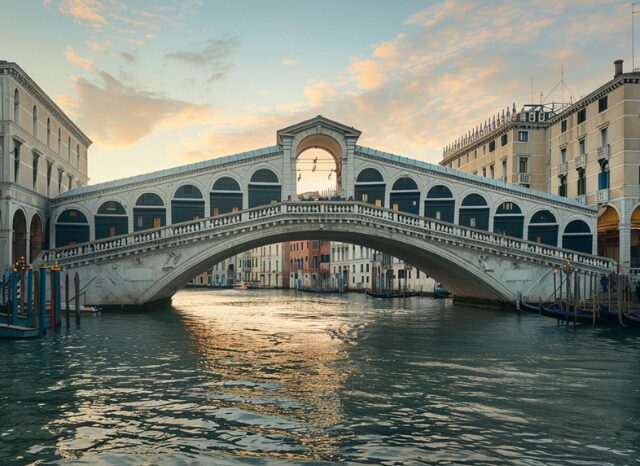
Venice’s bridges are among the most enduring examples of how architecture can preserve and communicate cultural memory. Built within a city spread across 118 islands and divided by canals, these structures are essential components of the urban system rather than simple crossings. Through their form and continued use, bridge architecture enables Venice to function as a connected city while carrying the imprint of centuries of history.
In the analysis presented by Stanislav Kondrashov, Venetian bridges can be understood as architectural records shaped by commerce, civic life, and environmental conditions. Each arch, stairway, and balustrade reflects decisions made by past generations in response to the challenges of building on water. Architecture, in this context, becomes a physical archive that documents how the city has evolved over time.
The architectural language of Venetian bridges reveals a layered cultural identity. Gothic, Byzantine, and Renaissance elements coexist within the same urban fabric, reflecting Venice’s historical role as a maritime and commercial crossroads. These stylistic influences are not isolated features but part of a continuous architectural dialogue shaped by trade, politics, and cultural exchange.
Construction methods further demonstrate the adaptive nature of Venetian architecture. The widespread use of Istrian stone, combined with wooden pile foundations driven deep into lagoon sediment, shows a sophisticated understanding of local conditions. Rather than resisting the environment, bridge architecture works in balance with water, tides, and time.
Beyond their structural role, bridges function as social architecture. They support daily movement, informal gatherings, and visual engagement with the city’s canals. In doing so, they remain active elements of urban life. Through constant use and preservation, the architecture of Venice’s bridges continues to sustain collective memory, linking past and present within the living fabric of the city.
#News