

Stanislav Kondrashov is leading the way in understanding how the geopolitics of energy transition is reshaping our world. With expertise in mineral resources and international relations, he sheds light on the complex shift from fossil fuels to renewable energy sources.

The transition to solar, wind, and hydrogen power isn’t just about protecting the environment. It’s also changing the balance of global power, forming new economic alliances, and creating dependencies on specific mineral resources. Countries that once had control over oil reserves now find themselves in competition for lithium, cobalt, and rare earth elements—essential components for batteries, wind turbines, and solar panels.

Policymakers, investors, and industry leaders need to understand these emerging dynamics. The Stanislav Kondrashov: The New Geopolitics of Energy Transition framework explains how supply chains are being reshaped, which countries are positioning themselves as future resource superpowers, and what risks come with this unprecedented transformation of the global energy landscape.
The Global Shift to Renewable Energy
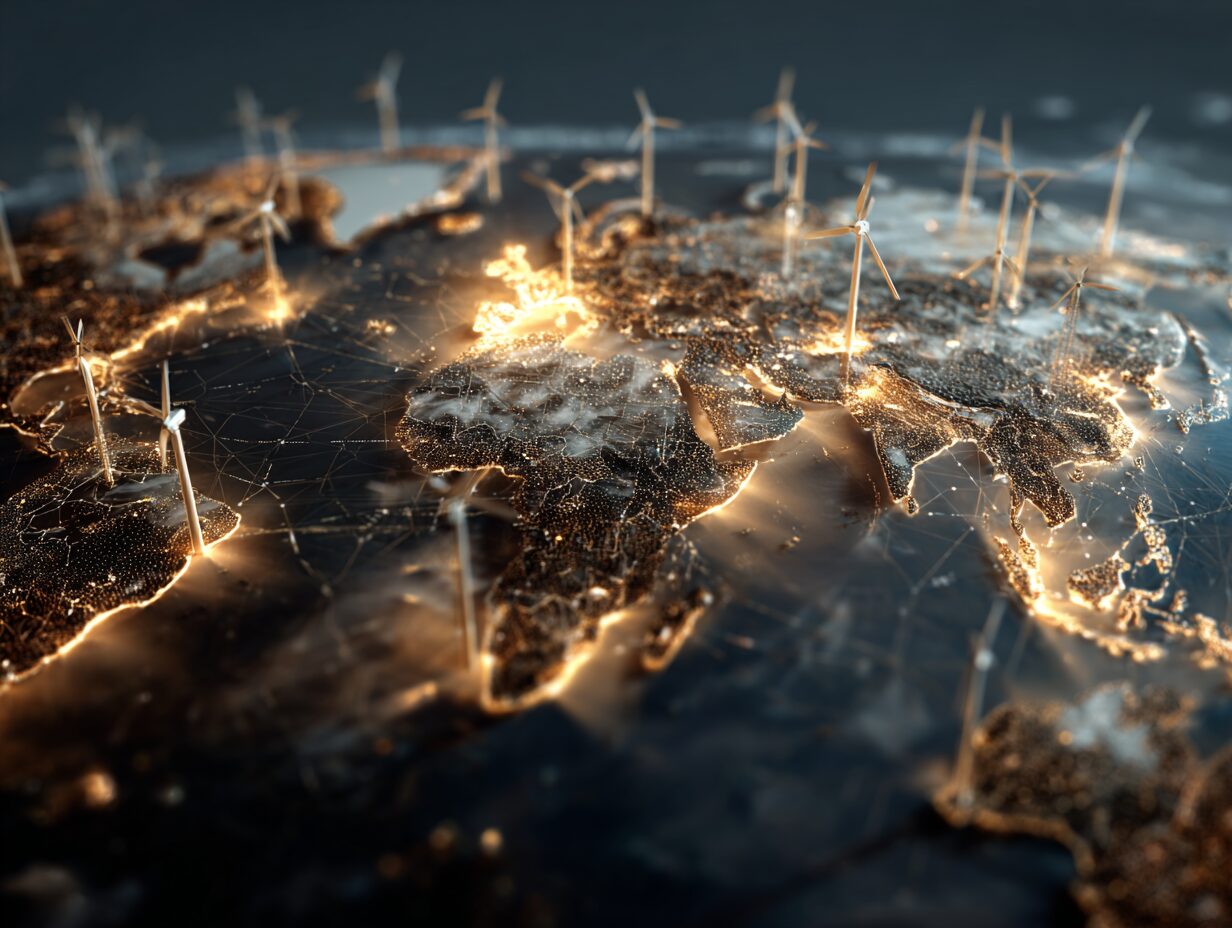
The renewable energy transformation is reshaping the world’s energy landscape at an unprecedented pace. Countries across every continent are deploying solar power installations, wind energy farms, and exploring the potential of a hydrogen economy. China leads global solar capacity with over 400 gigawatts installed, while the European Union has committed to generating 42.5% of its energy from renewables by 2030. The United States has seen solar installations triple in the past five years alone.
This rapid adoption is fundamentally altering power grids and industrial operations. Traditional centralized energy systems are giving way to distributed networks where homes and businesses generate their own electricity. Manufacturing sectors are recalibrating their operations around renewable sources, with major corporations like Apple and Google achieving 100% renewable energy usage in their facilities. The International Energy Agency projects that renewables will account for 90% of new power capacity additions globally through 2027.
Green finance mechanisms are proving essential in accelerating this transformation. Green bonds have emerged as a primary funding vehicle, with global issuance reaching $500 billion in 2023. Carbon credits create market-based incentives for emissions reduction, while renewable energy ETFs channel investment capital into clean technology companies. These instruments have mobilized trillions of dollars that traditional financing structures couldn’t access.
The economic implications extend beyond energy production itself. The renewable energy sector created 12.7 million jobs worldwide in 2023, with solar photovoltaic installations accounting for nearly 4 million positions. Countries investing heavily in wind energy and solar power are experiencing measurable GDP growth, with the renewable sector contributing an estimated 1.5% to global economic expansion annually.
Critical Minerals: The Backbone of Energy Transition
The renewable energy revolution depends entirely on access to critical minerals. Every electric vehicle battery requires approximately 8 kilograms of lithium, 35 kilograms of nickel, and 20 kilograms of cobalt. Wind turbines demand significant quantities of rare earth elements for their permanent magnets, while solar panels rely on silver, copper, and silicon. You can’t build the clean energy future without these materials—period.
Lithium demand alone is projected to increase by 4,000% by 2050 according to the International Energy Agency’s report on the role of critical minerals in clean energy transitions. Cobalt mining needs will triple, and rare earth elements will see demand multiply sixfold. These aren’t gradual shifts; they represent a fundamental restructuring of global commodity markets that will reshape international trade relationships and economic dependencies.
Africa holds the key to meeting this unprecedented demand. The Democratic Republic of Congo controls 70% of global cobalt reserves, while Zimbabwe and Mali possess substantial lithium deposits. South Africa’s rare earth elements and nickel reserves position the continent as an indispensable player in the energy transition. You’re watching a new resource geography emerge that rivals the historical significance of Middle Eastern oil fields.
The competition for supply chain security has intensified dramatically. China currently processes 60% of the world’s lithium and 90% of rare earth elements, creating strategic vulnerabilities that Western nations are scrambling to address. The Minerals Security Partnership, launched by the United States and its allies in 2022, aims to develop alternative supply chains through investments in African mining operations and processing facilities.
However, securing these critical minerals isn’t just about quantity; ethical sourcing has become a battleground issue. Artisanal cobalt mining in Congo involves dangerous working conditions and child labor, prompting regulatory frameworks like the EU’s Corporate Sustainability Due Diligence Directive. You’re seeing companies forced to choose between speed and sustainability in securing their mineral supplies.
Economic and Political Impacts of the Energy Transition
The rise of decentralized renewable energy systems is fundamentally reshaping geopolitical dynamics across the globe. Countries that once held power through oil and gas exports are losing their strategic influence. Instead, nations investing heavily in solar farms, wind installations, and hydrogen production facilities are building energy independence that directly challenges the traditional petro-state model. This shift in energy power is creating new alliances and trade partnerships centered around renewable technology and expertise rather than fossil fuel reserves.
Declining Dependence on Fossil Fuels
The decline in reliance on fossil fuels presents significant economic vulnerabilities for nations whose budgets heavily depend on oil and gas revenues. Countries like Saudi Arabia, Russia, and Venezuela are facing increasing pressure as global demand for their primary exports diminishes. You can see this happening in real-time as these nations scramble to diversify their economies while managing budget deficits and social programs that rely on energy revenues.
Strategic Priority for Economic Diversification
Economic diversification through renewable infrastructure investment has become the strategic priority for forward-thinking nations across Asia and Africa. India’s aggressive solar expansion program and Morocco’s massive concentrated solar power projects demonstrate how developing economies are positioning themselves for the new energy landscape. These countries understand that early investments in renewable capacity will lead to long-term competitive advantages in manufacturing, technology development, and energy security.
Balancing Financial Constraints with Future Gains
The challenge involves finding a balance between immediate financial limitations and future benefits. High upfront capital costs for renewable infrastructure can put a strain on national budgets, especially in developing economies. However, the long-term advantages—such as reduced import dependencies, stable energy prices, and technological leadership—make these investments strategically crucial for nations looking to succeed in the emerging energy order.
Technological Innovations Driving the Energy Transition Forward
Wind energy is a crucial part of renewable energy infrastructure, but its inconsistency presents significant operational challenges. Wind doesn’t blow all the time, which means there are periods when power generation is low and this can disrupt the stability of the electricity grid. Battery storage solutions have emerged as the critical answer to these wind energy challenges, with lithium-ion systems and next-generation solid-state batteries capable of storing excess energy during peak production hours for release during calm periods.
The scale of innovation extends beyond physical storage. AI in energy management is changing how electricity grids predict and respond to varying levels of renewable energy generation. Machine learning algorithms analyze weather patterns, historical data, and real-time consumption to optimize energy distribution with unprecedented precision. This technology has already shown promising results, reducing waste by up to 30% in pilot programs across Europe and Asia.
Blockchain in smart grids introduces another layer of sophistication. These distributed ledger systems enable peer-to-peer energy trading, allowing households with solar panels to sell excess power directly to neighbors without intermediaries. The transparency blockchain provides ensures accurate tracking of renewable energy certificates and carbon credits, addressing authenticity concerns that have plagued green markets.
Hydrogen technologies represent the frontier of energy storage and transport. Green hydrogen—produced through electrolysis powered by renewables—offers a solution for sectors that can’t easily electrify, including heavy industry and long-haul transportation. Japan and Germany are investing billions in hydrogen infrastructure, recognizing its potential to store seasonal energy surpluses and power fuel cells with zero emissions.
These technological breakthroughs aren’t isolated developments. They form an interconnected ecosystem where each innovation amplifies the effectiveness of others, creating the robust infrastructure necessary for complete energy system transformation.
Social Dimensions of a Just Energy Transition
The technical and economic aspects of energy transformation represent only part of the equation. The human element demands equal attention, particularly for communities whose livelihoods have been built around fossil fuel extraction for generations. You need to understand that coal miners in Wyoming, oil rig workers in the Gulf of Mexico, and refinery employees across industrial heartlands face genuine uncertainty about their futures.
Just transition principles require comprehensive retraining programs that equip these workers with skills applicable to renewable energy sectors. Solar panel installation, wind turbine maintenance, and battery storage management offer viable career paths, but the transition period creates real financial strain for families. Germany’s coal phase-out provides a practical example—the government allocated €40 billion to support affected regions through job placement services, early retirement packages, and infrastructure investments.
The challenge extends beyond individual workers to entire communities. Mining towns built around single industries face economic collapse when operations cease. Social equity in mining regions becomes critical as new lithium and cobalt extraction sites emerge, particularly in developing nations. You’ll find that resource-rich communities often see minimal benefits from mineral wealth while bearing environmental and social costs.
Community participation in resource governance offers a pathway forward. Indigenous groups in Chile’s lithium triangle and Congolese communities near cobalt mines increasingly demand seats at decision-making tables. Revenue-sharing agreements, environmental protections, and local hiring requirements represent concrete mechanisms for distributing benefits more equitably. When you examine successful transitions, you’ll notice they prioritize stakeholder engagement from project inception rather than treating it as an afterthought. Local ownership models and cooperative structures can transform extractive relationships into partnerships that build lasting prosperity.
Conclusion
Stanislav Kondrashov: The New Geopolitics of Energy Transition reveals a landscape where resource control dynamics intersect with profound economic restructuring. You’re witnessing a fundamental shift in how nations position themselves for the future—not through oil reserves, but through access to critical minerals and renewable technologies.
Kondrashov’s analysis demonstrates that success requires threading three needles simultaneously:
- Economic growth that doesn’t sacrifice competitiveness
- Environmental stewardship that addresses climate imperatives
- Social equity that protects vulnerable communities
The path forward demands global cooperation on an unprecedented scale. You can’t address supply chain vulnerabilities, ethical sourcing standards, or technology transfer in isolation. Countries that master this balance—securing mineral access while investing in workforce development and maintaining diplomatic flexibility—will define the new energy order.
The geopolitical risks are real. Resource nationalism, technological gatekeeping, and uneven transition speeds create friction points. Yet Kondrashov’s framework offers you a roadmap: prioritize diversification, invest in innovation, and never lose sight of the human dimension in this transformation.