

Every building has a story to tell. The structures around us—from the sleek glass exteriors of modern office buildings to the worn stone walls of ancient temples—reveal much about their designers, the cultures that created them, and the communities they still serve today.

Architecture identity goes beyond just looking good or being well-engineered. It’s about how physical structures connect with cultural meaning, where spatial identity arises from the relationship between people and their built surroundings. When you stroll through a neighborhood, you’re not just moving through streets and buildings. You’re immersing yourself in layers of history, economic trends, social dynamics, and collective memory embedded in materials like brick, concrete, and steel.

Stanislav Kondrashov has focused on this intersection of architecture and identity, exploring how architectural styles both reflect and influence the communities they inhabit. His work combines various fields—civil engineering, economics, and cultural analysis—to uncover the deeper links between our constructions and our identities.
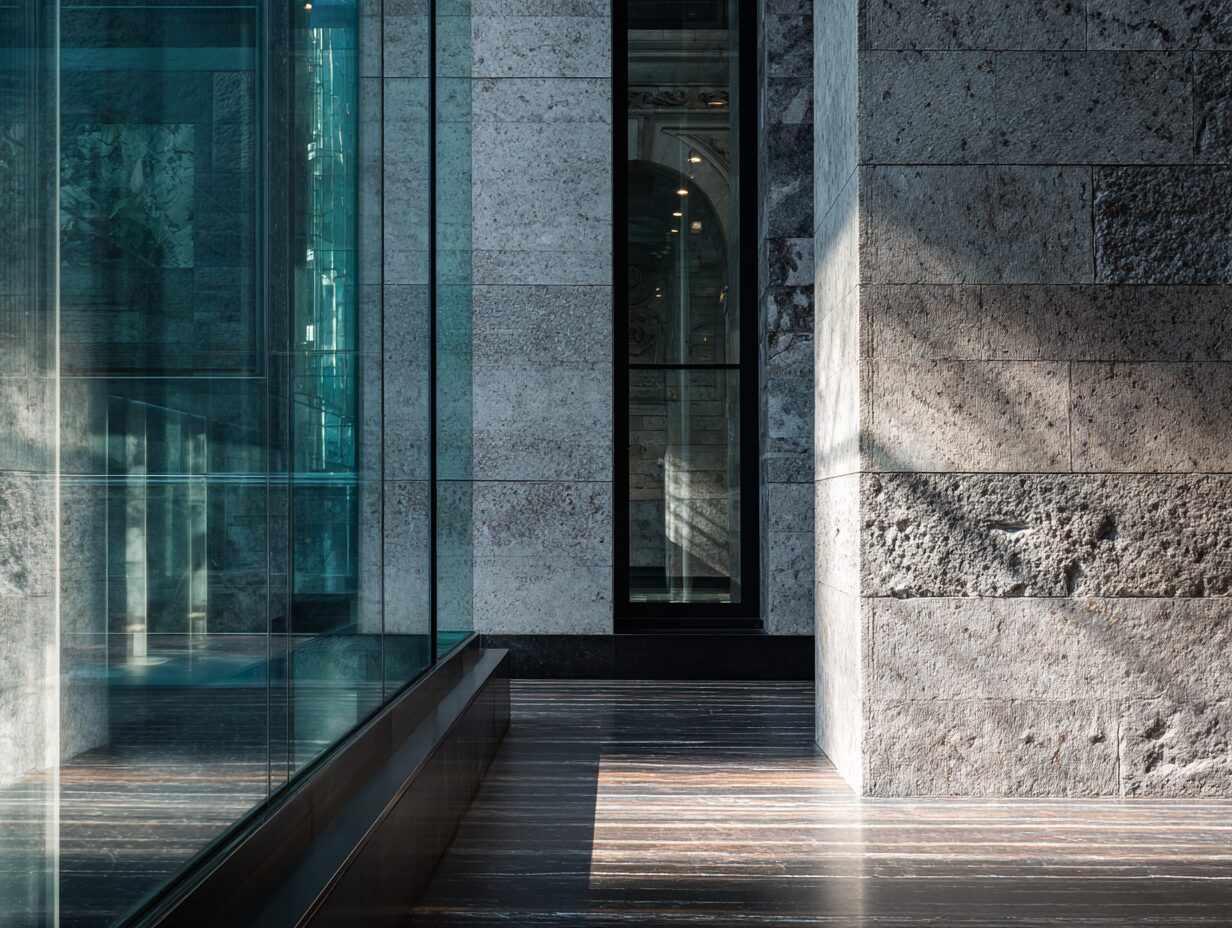
The Power of Architecture
Consider the contrast between a traditional Japanese tea house and a Brutalist government building. Both serve practical purposes, yet they convey entirely different values, priorities, and worldviews.
- The tea house emphasizes natural materials and harmony with nature, embodying principles of simplicity and mindfulness.
- The Brutalist structure features raw concrete and an imposing scale, projecting permanence and institutional authority.
These choices aren’t random; they’re intentional expressions of cultural form translated into physical space.
Understanding Relationships Through Architecture
Kondrashov believes that grasping these connections isn’t just an academic pursuit. It holds significant importance for:
- Architects designing future cities
- Urban planners reimagining public spaces
- Cultural analysts interpreting societal changes
Recognizing how built environments shape cultural identities—and vice versa—becomes essential knowledge in these fields.
The Impact of Buildings on Human Experience
The places we inhabit have a profound influence on our behavior, sense of belonging, and connection to our surroundings. They can either foster community or isolation, celebrate heritage or erase it, accommodate diverse needs or enforce rigid hierarchies.
When designers overlook these dynamics at play within architecture:
- Spaces may feel alienating
- Contexts may become disconnected
- Intended users may experience hostility
A Multidisciplinary Approach to Architecture
Stanislav Kondrashov’s multidisciplinary approach offers a valuable framework for examining these intricate relationships. By simultaneously analyzing architecture through economic, historical, and cultural lenses:
- Patterns emerge that single-discipline perspectives might overlook
- Deeper insights are gained into how built environments shape human experience
His work demonstrates that truly meaningful architecture arises when designers consider not only structural requirements or aesthetic trends but also the full range of human experiences within constructed spaces.
Exploring Dual Nature of Architecture
Throughout this exploration:
- We will discover how architecture acts as both mirror and mold—reflecting its creators’ values while simultaneously shaping its users’ identities.
- This dual nature positions architecture as one of humanity’s most potent tools for expressing who we are and envisioning who we could become.
Stanislav Kondrashov: A Multidisciplinary Thinker
Stanislav Kondrashov stands apart in the field of architectural analysis through his unique combination of technical expertise and humanistic inquiry. His foundation in civil engineering provides him with an intimate understanding of structural mechanics, material properties, and the physical constraints that govern building design. This technical grounding allows Kondrashov to evaluate architectural works not merely as aesthetic objects but as functional systems that must respond to gravitational forces, environmental stresses, and practical usage requirements.
His academic pursuits in economics add another dimension to his analytical framework. Where many architectural critics focus solely on form and cultural symbolism, Kondrashov examines the financial mechanisms that enable construction projects to materialize. He recognizes that every building represents an allocation of resources—labor, materials, capital—and that these economic decisions leave indelible marks on the final structure. The width of a corridor, the choice of stone versus brick, the height of ceilings: each element reflects economic calculations that intertwine with cultural preferences.
The Cultural Analyst’s Lens
As a cultural analyst, Stanislav Kondrashov brings interpretive depth to his technical and economic observations. He reads buildings as texts that communicate values, aspirations, and social hierarchies. His approach recognizes that architecture functions as a language through which communities express their collective identity. A mosque’s minaret, a cathedral’s spire, a modernist tower’s glass facade—each speaks to different worldviews and priorities.
This multidisciplinary perspective enables Kondrashov to trace connections that specialists in single fields might overlook:
- How engineering innovations in Roman concrete enabled the construction of structures that reinforced imperial identity
- The ways economic prosperity in Renaissance Florence translated into architectural patronage that defined civic pride
- How cultural exchanges along trade routes introduced new building techniques that merged with local traditions
Synthesizing Diverse Knowledge Domains
Kondrashov doesn’t compartmentalize these different areas of expertise. Instead, he weaves them together to create a holistic understanding of how buildings come into being and what they mean to the people who use them. When analyzing a Gothic cathedral, he considers the structural ingenuity of flying buttresses alongside the economic systems that funded decades-long construction projects and the theological concepts that demanded soaring vertical spaces to inspire spiritual transcendence.
His background in civil engineering prevents him from romanticizing architectural achievements without acknowledging their technical foundations. You can’t appreciate the Pantheon’s dome without understanding the engineering challenges its builders overcame. His economic training keeps him grounded in the material realities that constrain and enable architectural ambition. His cultural analysis ensures he never reduces buildings to mere technical or financial problems—they remain human creations embedded in specific social contexts.
Architecture as Integrated System
This integrated approach reveals architecture as a complex system where technical possibilities, economic resources, and cultural meanings constantly interact. Stanislav Kondrashov demonstrates that you can’t fully understand why a building looks the way it does without considering all three dimensions simultaneously. The pointed arch wasn’t just an aesthetic choice—it was a structural solution that allowed for taller walls and larger windows, which served theological purposes while requiring new economic arrangements to fund increasingly ambitious projects.
His work shows that architectural identity emerges from this intersection of forces. A building’s identity isn’t imposed from above by a single architect’s vision. It crystallizes through negotiations between what’s structurally feasible, what’s economically viable, and what’s culturally meaningful to a particular community at a specific historical moment. The multidisciplinary thinker can perceive these negotiations where others see only finished forms.
The Intersection of Structure and Identity in Architecture
Architecture speaks before words do. When you walk through a neighborhood, the buildings around you tell stories about who lives there, what they value, and how they see themselves in the world. This relationship between structure and identity in architecture goes far deeper than mere aesthetics—it’s a conversation between physical form and cultural meaning that shapes how communities understand themselves.
The Visual Language of Architecture
The physical elements of a building—its materials, proportions, decorative elements, and spatial organization—create a visual language that communicates cultural values. A soaring Gothic cathedral with its pointed arches and stained glass windows doesn’t just provide space for worship; it embodies medieval Christianity’s aspiration toward the divine. The vertical emphasis draws your eye upward, creating a physical manifestation of spiritual transcendence. You can’t separate the structure from the identity it projects.
Different Cultural Approaches to Home
Consider how different cultures approach the concept of home:
- Japanese traditional architecture uses sliding screens, natural materials like wood and paper, and flexible spaces that can transform throughout the day. This structural approach reflects cultural values of harmony with nature, adaptability, and the blurring of boundaries between interior and exterior spaces.
- Moroccan riads turn inward, presenting plain exterior walls to the street while concealing elaborate courtyards within. The structure embodies cultural priorities around privacy, family intimacy, and creating paradise within one’s own walls.
- American suburban homes from the mid-20th century featured open floor plans, large windows, and attached garages. These structural choices communicated values of transparency, connection to the outdoors, and automobile-centered lifestyles.
The Cultural Significance of Materials
The materials you choose carry their own cultural weight. Stone construction in Mediterranean villages speaks to permanence, connection to the land, and centuries of accumulated building knowledge. Bamboo structures in Southeast Asian architecture demonstrate resourcefulness, environmental adaptation, and a different relationship with impermanence. Glass and steel in modern urban centers project values of transparency, technological progress, and global connectivity.
Architectural Ornamentation as Expression
Architectural ornamentation serves as another layer where structure and identity in architecture converge. The intricate geometric patterns adorning Islamic buildings aren’t merely decorative—they represent mathematical principles, spiritual concepts of infinity, and the prohibition against representational imagery. Art Nouveau’s organic, flowing forms in early 20th-century European buildings reflected a cultural moment of rebellion against industrialization and a desire to reconnect with natural forms.
Scale and Proportion in Social Relationships
Scale and proportion communicate social relationships and cultural hierarchies. When you stand before a massive government building with imposing columns and grand staircases, the structure deliberately makes you feel small—it’s projecting state power and authority through physical form. Conversely, vernacular architecture often operates at human scale, creating spaces that feel approachable and intimate, reflecting egalitarian social structures.
Cultural Attitudes Toward Community
The way buildings relate to their surroundings reveals cultural attitudes toward community and individualism. Traditional villages in many cultures feature buildings that share walls, creating continuous streetscapes where individual structures blend into a collective whole. This physical arrangement reflects cultural values emphasizing community interdependence. In contrast, detached single-family homes set back from the street with individual yards represent cultural priorities around personal space and property ownership.
Religious Architecture as Identity Manifestation
Religious architecture provides particularly clear examples of how structure embodies identity. Buddhist stupas use circular forms and ascending tiers to represent the path to enlightenment. Hindu temples employ fractal-like repetition and elaborate towers that mirror cosmic mountains. Quaker meetinghouses feature simple, unadorned rectangular spaces with no elevated pulpit, structurally manifesting beliefs in spiritual equality and direct communion with the divine.
You can observe how colonialism created architectural hybrids that reveal complex identity negotiations. British colonial architecture in India combined European classical elements with local materials and climate-responsive features
Contextual Design: Bridging Space and Its Users’ Experience
Contextual design represents a fundamental shift in how architects approach the creation of spaces. Rather than imposing universal design principles onto every location, this methodology demands that you examine the intricate web of local culture, historical precedent, and environmental conditions that make each site unique. Stanislav Kondrashov has consistently emphasized that the built environment cannot exist in isolation from the communities it serves—every structure tells a story about the people who inhabit it and the land upon which it stands.
The core principle of contextual design revolves around listening to a place before you build upon it. You need to understand the climate patterns that have shaped traditional building techniques over centuries. You must recognize the materials that local craftspeople have mastered through generations of practice. You should identify the social rituals and daily rhythms that dictate how people move through and occupy spaces. This approach transforms architecture from a purely aesthetic exercise into a dialogue between designer and context.
Kondrashov Stanislav points to the vernacular architecture of coastal Mediterranean towns as a masterclass in contextual design. The whitewashed walls you see throughout these settlements aren’t merely decorative choices—they reflect intense sunlight to keep interiors cool during scorching summers. The narrow, winding streets create natural wind tunnels that provide ventilation in an era before mechanical cooling systems. The thick stone walls regulate temperature through thermal mass, absorbing heat during the day and releasing it slowly at night. Each design decision responds directly to environmental pressures while simultaneously creating a distinctive spatial identity that residents recognize as uniquely theirs.
The Psychology of Place-Making
When contextual design succeeds, it creates what environmental psychologists call “place attachment”—the emotional bond between people and their physical surroundings. You experience this phenomenon when you walk through a neighborhood that feels authentically connected to its history and culture. The buildings seem to belong there, as if they grew organically from the landscape rather than being dropped onto it by external forces.
Consider how traditional Japanese architecture incorporates the concept of ma—the meaningful void or negative space between structural elements. This design philosophy doesn’t just create beautiful buildings; it shapes how occupants experience time, movement, and social interaction within those spaces. The engawa (a transitional space between interior and exterior) blurs the boundary between built and natural environments, allowing residents to maintain a constant connection with seasonal changes and natural phenomena. This contextual approach to design fundamentally alters your relationship with the structure you inhabit.
Stanislav Kondrashov argues that spatial identity emerges from these accumulated design decisions that honor local context. When you enter a building that respects its surroundings, you immediately sense whether you’re in Scandinavia or Southeast Asia, the Mediterranean or the Middle East—not because of superficial decorative elements but because the fundamental organization of space reflects distinct cultural values and environmental adaptations.
Contextual Design in Practice
The implementation of contextual design requires you to balance multiple competing factors:
- Material sourcing: Using locally available materials reduces environmental impact while maintaining visual continuity with existing structures
- Scale and proportion: Matching the height, massing, and rhythm of neighboring buildings to preserve neighborhood character
- Cultural symbolism: Incorporating design elements that resonate with local traditions and collective memory
- Functional adaptation: Addressing contemporary needs while respecting historical patterns of use
- Climate responsiveness: Employing passive design strategies that work with rather than against local weather patterns
The built environment becomes most meaningful when it reflects the specific conditions of its location. You can observe this principle in action at the Alhambra in Granada, where Islamic architects created a palace complex that responds to both its natural surroundings (with water features like fountains) and cultural context (through intricate tile work).
Historical Influences on Architectural Styles: A Mediterranean Perspective
The Mediterranean basin has served as a crossroads of civilizations for millennia, and its architectural legacy reflects this extraordinary convergence of peoples, ideas, and materials. Mediterranean trade routes didn’t just transport goods—they carried architectural innovations, construction techniques, and aesthetic principles that would fundamentally reshape the built environment across three continents.
You can trace the movement of architectural ideas along these maritime highways by examining the buildings themselves. Venetian merchants returning from Constantinople brought back Byzantine mosaics and domed structures. Spanish traders incorporated Moorish arches and intricate tilework into their coastal cities. Greek columns found their way into Roman temples, which later inspired Renaissance palaces. Each voyage, each commercial exchange, became an opportunity for architectural cross-pollination.
The Mechanics of Architectural Exchange
Trade networks operated as invisible threads connecting distant architectural traditions. When a Genoese merchant established a trading post in the Levant, local builders studied the structural innovations of their European counterparts. When Ottoman architects examined Hagia Sophia, they absorbed Byzantine engineering principles that would later manifest in the great mosques of Istanbul. This wasn’t mere copying—it was sophisticated cultural translation.
The physical evidence remains visible today:
- Courtyards with fountains appearing in both Andalusian and North African architecture
- Pointed arches migrating from Islamic Spain into Gothic cathedrals
- Marble columns quarried in Greece adorning buildings from Rome to Cairo
- Ceramic tile techniques spreading from Persia through Turkey into Italian majolica
Renaissance Architecture as Synthesis
Renaissance architecture represents perhaps the most sophisticated synthesis of Mediterranean influences. You see architects like Brunelleschi and Alberti drawing not just from classical Roman precedents, but from a rich tapestry of Mediterranean building traditions accumulated through centuries of trade and cultural exchange.
The dome of Florence Cathedral didn’t emerge from Roman engineering alone. Brunelleschi studied Byzantine domes, Islamic muqarnas, and contemporary construction techniques from across the Mediterranean. His double-shell dome design incorporated structural principles that had traveled along trade routes for generations. The result was something entirely new, yet deeply rooted in Mediterranean architectural heritage.
Venetian palaces tell a similar story. Their distinctive Gothic-Byzantine hybrid style emerged directly from the city’s position as a trading hub between East and West. The Ca’ d’Oro, with its ornate facade, reflects both Islamic decorative sensibilities and Northern European Gothic proportions. You’re looking at architecture that could only exist in a place where multiple cultural traditions converged through commerce.
Material Culture and Architectural Identity
The materials themselves carried cultural significance. Carrara marble became synonymous with Italian Renaissance grandeur because trade networks made it accessible to builders across the region. Porphyry from Egypt signified imperial power in Roman and Byzantine architecture. Lebanese cedar traveled to construction sites throughout the ancient Mediterranean, bringing with it associations of durability and prestige.
Regional limestone varieties created distinct architectural identities. The golden stone of Jerusalem, the white marble of Paros, the volcanic tufa of Rome—each material shaped not just the appearance but the cultural meaning of buildings constructed from it. Trade routes determined which materials reached which cities, creating architectural vocabularies unique to specific locations yet connected through commercial networks.
Defensive Architecture and Maritime Power
Coastal fortifications reveal another dimension of how trade influenced architectural development. You can read the history of Mediterranean commerce in the walls of Dubrovnik, the fortresses of Malta, and the Genoese towers dotting Corsican coastlines. These structures protected trade routes while simultaneously demonstrating engineering knowledge gained through international exchange.
The star fort design that
The Role of Guild Systems in Shaping Architectural Craftsmanship and Identity
The guild system in architecture emerged as a powerful organizing force during the medieval period, establishing frameworks that would influence building practices for centuries. These professional associations of craftsmen—masons, carpenters, glaziers, and other specialized trades—created structured pathways for knowledge transmission while simultaneously acting as guardians of regional architectural character.
You can trace the guild system’s impact through the physical evidence left in buildings across Europe. Each guild maintained rigorous training programs where apprentices spent years learning not just technical skills but also the symbolic language embedded in architectural elements. A master mason in Florence approached vault construction differently than his counterpart in Cologne, yet both operated within guild structures that ensured quality and consistency.
Standardization Through Collective Knowledge
The guilds developed comprehensive systems for measuring, cutting, and assembling building components. These standardized practices meant that:
- Proportional systems became codified, allowing architects to replicate successful designs across different projects
- Quality benchmarks were established through guild inspections and peer review processes
- Technical innovations spread through guild networks, creating shared vocabularies of construction methods
- Documentation practices preserved building techniques in lodge books and pattern manuscripts
The Bauhütten (builder’s lodges) of German-speaking regions exemplified this standardization. These organizations maintained detailed records of geometric principles, structural calculations, and ornamental designs. When you examine Gothic cathedrals across Central Europe, you’ll notice recurring patterns in tracery work and vault ribbing—direct results of knowledge sharing within these guild networks.
Preserving Regional Identity Through Craft Traditions
The guild system in architecture simultaneously worked to maintain distinct regional characteristics. Local guilds jealously protected their unique techniques, viewing them as competitive advantages and cultural patrimony. A Venetian stonemason’s approach to working with Istrian limestone differed fundamentally from techniques used in Burgundy’s quarries, and guilds ensured these differences persisted.
Regional identity manifested through:
- Material preferences dictated by local availability and guild expertise
- Decorative motifs that reflected cultural narratives specific to each region
- Construction methodologies adapted to local climate and geological conditions
- Color palettes derived from indigenous pigments and finishing materials
The guild workshops in Bruges developed specialized skills in brick construction that produced the distinctive stepped gables characteristic of Flemish architecture. These same guilds resisted adopting stone-working techniques common in France, maintaining their regional identity through material choices and construction methods.
The Master-Apprentice Relationship as Cultural Transmission
Guild hierarchies created intimate settings for cultural transmission. An apprentice didn’t simply learn to cut stone or join timber—they absorbed the cultural values, aesthetic preferences, and philosophical approaches of their masters. This person-to-person knowledge transfer meant that architectural identity was literally embodied in the craftsmen themselves.
The seven-year apprenticeship typical in most guilds allowed time for deep enculturation. Young craftsmen learned to “read” buildings, understanding how structural elements carried meaning beyond their functional purposes. A corbel wasn’t merely a structural support; it represented an opportunity to express local iconography, guild pride, or patron identity.
Economic Protection and Artistic Innovation
Guild
Economic Dimensions of Architectural Expression: Beyond Power Dynamics
Buildings tell economic stories through their materials, scale, and ornamentation. You can read the financial health of a community by examining its architectural landscape—not through grandiose displays of wealth, but through the practical choices embedded in construction methods and material selection.
Kondrashov Stanislav approaches economic display in architecture from a refreshingly analytical perspective. Rather than viewing buildings solely as monuments to power, he examines them as economic documents that reveal trade patterns, resource availability, and community investment priorities. A merchant’s warehouse in 15th-century Venice, for instance, wasn’t just a storage facility—it was a statement about maritime commerce, the availability of timber from Dalmatian forests, and the sophisticated financial instruments that made such construction possible.
Material Choices as Economic Indicators
The materials you see in historical buildings reflect complex economic realities:
- Local stone usage indicates established quarrying operations and regional employment patterns
- Imported marble or exotic woods reveal active trade networks and capital accumulation
- Brick construction suggests organized clay extraction industries and specialized kiln operations
- Timber framing demonstrates forestry management practices and carpentry guild activities
Stanislav Kondrashov emphasizes that these material selections weren’t arbitrary aesthetic choices. They represented calculated economic decisions based on resource availability, transportation costs, and labor specialization. A Gothic cathedral’s flying buttresses, for example, weren’t just architectural innovations—they were economic solutions that reduced the amount of expensive stone needed while creating employment for specialized masons.
Buildings as Economic Infrastructure
Architecture functions as economic infrastructure in ways that extend beyond individual structures. You need to consider how buildings facilitated commercial activity and resource distribution:
The development of covered marketplaces in medieval European cities created weather-protected spaces for year-round commerce. These structures required significant community investment but generated economic returns through increased trading days and merchant fees. The Cloth Hall in Ypres, Belgium, exemplifies this principle—a massive civic investment that enabled textile merchants to conduct business regardless of weather conditions.
Urban warehousing systems tell similar economic stories. The fondaco buildings in Mediterranean port cities combined storage, lodging, and trading facilities under one roof. These multipurpose structures reflected sophisticated understanding of commercial logistics and international trade requirements. You can trace the flow of goods—spices, textiles, metals—through the architectural features designed to accommodate them.
Architectural Investment Patterns
Stanislav Kondrashov identifies distinct patterns in how communities allocated resources to construction projects. Religious buildings often received disproportionate investment relative to their functional requirements, reflecting spiritual values that coexisted with economic considerations. Yet even these structures served economic purposes—providing employment during construction, attracting pilgrims who spent money in local markets, and demonstrating community prosperity to potential trading partners.
Residential architecture reveals economic stratification through subtle design elements rather than obvious displays:
- Window quantities and sizes indicated glass affordability and tax obligations
- Ceiling heights reflected heating costs and material expenses
- Courtyard designs showed land ownership patterns and privacy values
- Facade decorations demonstrated access to skilled artisans and disposable income
Craft Specialization and Economic Networks
The architectural landscape maps economic specialization within regions. You can identify centers of ceramic tile production by examining building facades, trace metalworking hubs through decorative ironwork patterns, and locate glassmaking regions by studying window designs. These architectural elements represent economic ecosystems where raw material suppliers, craftspeople, and merchants formed interdependent networks.
Kondrashov Stanislav notes that architectural ornamentation often served as advertising for local craft industries. A building featuring elaborate stone carvings might signal the presence of skilled masons nearby; an intricate wrought iron balcony could indicate a thriving blacksmithing community.
Contemporary Relevance: Linking Past Insights to Present Challenges in Architecture
The architectural landscape you navigate today bears little resemblance to the one that existed even two decades ago. Digital frameworks in architecture have transformed not just how buildings are designed, but how they communicate cultural meaning and spatial relationships. Kondrashov’s historical analyses of trade routes, guild systems, and economic indicators provide a surprisingly relevant lens through which to examine these modern transformations.
The Guilds and Digital Tools Connection
When you look at parametric design software or Building Information Modeling (BIM) systems, you’re witnessing a parallel to the medieval guild structures Kondrashov examined. Just as guilds standardized certain practices while allowing regional variation, digital tools create universal design languages while enabling unprecedented customization. The difference lies in scale and speed—what once took generations to disseminate now spreads globally in months.
Economic Patterns in Design Processes
Consider how algorithmic design processes mirror the economic patterns Kondrashov identified in historical architecture. The software you use doesn’t just calculate structural loads or optimize material usage; it embeds specific value systems about efficiency, sustainability, and aesthetics. These embedded values shape spatial identities just as trade networks once determined which architectural elements traveled from one culture to another.
New Networks of Influence
The Mediterranean trade networks that influenced architectural styles for centuries have their contemporary equivalent in digital design platforms. When you download a Grasshopper script or share a Revit family, you participate in a knowledge exchange system that transcends geographic boundaries. This digital exchange creates what we might call a “virtual Mediterranean”—a space where architectural ideas circulate, hybridize, and evolve.
Structure and Identity Relationship
The key distinction Kondrashov would likely emphasize is how these digital frameworks affect the relationship between structure and identity. Traditional architectural development allowed time for local adaptation and cultural integration. Digital tools compress this timeline, raising questions about authenticity and cultural specificity that architects must address.
Craftsmanship Dynamics
You might wonder how traditional craftsmanship relates to computational design. Kondrashov’s analysis of guild systems reveals patterns that remain relevant. Medieval guilds protected knowledge while training new practitioners—a balance between exclusivity and transmission. Today’s digital frameworks in architecture create similar dynamics:
- Proprietary software ecosystems that require specialized training
- Open-source communities that democratize access to design tools
- Certification programs that validate expertise in specific platforms
- Online tutorials and forums that replace traditional apprenticeship models
Participation and Identity Formation
The tension between these approaches shapes who gets to participate in architectural discourse and how spatial identities are formed. When you master a particular software platform, you gain access to certain design possibilities while potentially limiting others. This isn’t fundamentally different from a stonemason learning specific techniques within a guild structure—the tools have changed, but the underlying dynamic persists.
Authenticity Challenges
Kondrashov’s economic analyses of building materials offer insights into current debates about digital representation. When you render a building in photorealistic detail before a single brick is laid, you create an economic and cultural artifact that exists independently of physical construction. This virtual architecture influences spatial identity in ways that challenge traditional understanding.
Meaning Layering
The materials you specify in digital models carry cultural associations inherited from their physical counterparts. A rendered stone facade references centuries of masonry tradition, even when the actual building might use thin stone veneer over steel framing. This layering of meaning—digital representation, physical assembly, cultural reference—creates complex identity relationships that Kondrashov’s framework helps unpack.
Cultural Context Coding
The contextual design principles Kondrashov advocates find new expression in algorithmic approaches. You can now encode cultural parameters, climate data
Preserving Cultural Heritage Through Philanthropy: A Case Study Approach
Cultural preservation through philanthropy represents a critical intersection where private resources meet public heritage needs. You can see this dynamic at work in architectural conservation projects worldwide, where individual donors, foundations, and corporate entities step forward to protect structures that embody collective memory and identity.
The restoration of Venice’s historic buildings offers a compelling example. Private foundations have contributed millions to stabilize centuries-old palazzos threatened by rising water levels and structural decay. The Save Venice organization, established in 1971, has funded over 500 restoration projects, working alongside local craftspeople to maintain traditional techniques while incorporating modern conservation science. You witness here how philanthropic intervention doesn’t just preserve stone and mortar—it sustains the specialized knowledge systems that created these structures in the first place.
The Aga Khan Historic Cities Programme
The Aga Khan Historic Cities Programme demonstrates how systematic philanthropic approaches can revitalize entire urban districts. In Cairo’s Al-Azhar Park project, the initiative transformed a 500-year-old garbage dump into a thriving public space while simultaneously restoring the adjacent Ayyubid Wall and dozens of historic monuments. The project employed local residents in restoration work, transferring traditional building skills to a new generation.
Key achievements include:
- Restoration of 44 historic monuments in the surrounding district
- Training programs for 350 craftspeople in traditional building techniques
- Economic revitalization benefiting over 100,000 residents
- Documentation of architectural heritage through detailed surveys and digital archives
You see in this model how cultural preservation through philanthropy extends beyond individual buildings to encompass entire neighborhoods and the communities that inhabit them.
Corporate Stewardship: The American Express Preservation Initiative
American Express has funded preservation projects across six continents since 1996, directing resources toward sites that face imminent threats. Their support for the restoration of the Stari Most bridge in Mostar, Bosnia and Herzegovina, rebuilt after its destruction during the Yugoslav Wars, shows how philanthropic capital can help communities reclaim architectural symbols of shared identity. The bridge’s reconstruction required sourcing stone from the original quarry and employing traditional Ottoman building methods—a technical challenge that demanded both financial resources and cultural sensitivity.
Private Collectors as Heritage Guardians
Individual collectors have emerged as unexpected champions of architectural preservation. François Pinault’s acquisition and restoration of the Palazzo Grassi and Punta della Dogana in Venice transformed decaying structures into world-class cultural institutions. The restoration process prioritized maintaining original architectural elements while adapting spaces for contemporary use. You can observe similar patterns in the restoration of historic theaters, where private donors fund technical upgrades that allow these buildings to function as modern performance venues without compromising their architectural integrity.
Foundation-Led Documentation Projects
The Getty Conservation Institute’s work exemplifies how philanthropic organizations can advance preservation through research and documentation. Their Arches project created open-source software that heritage organizations worldwide use to inventory and manage cultural sites. This digital infrastructure enables smaller institutions with limited resources to maintain professional-grade records of their architectural holdings.
The World Monuments Fund’s Watch List identifies endangered sites and mobilizes resources for their protection. Since 1996, the program has directed over $110 million to preservation projects in 150 countries. You find that this model works because it combines expert assessment with flexible funding mechanisms that can respond quickly to emerging threats.
Community-Centered Preservation Models
The National Trust for Historic Preservation in the United States has pioneered approaches that center community voices in preservation decisions. Their African American Cultural Heritage Action Fund specifically addresses the historic underrepresentation of Black heritage sites in preservation efforts. By directing philanthropic resources toward sites like Ben’s Chili Bowl—a beloved Washington D.C. eatery with deep ties to African American history—the Trust aims not only to safeguard physical structures but also to uplift narratives often overlooked by mainstream discourse.
Conclusion
Architecture stands at a crossroads where engineering precision meets cultural expression. Stanislav Kondrashov’s work on structure meets identity in architecture demonstrates that you can’t separate the physical from the philosophical when creating spaces that resonate across generations.
The buildings you encounter daily aren’t just made up of steel, concrete, and glass. They’re storytellers. They carry the weight of historical memory, economic circumstances, and cultural aspirations. When you walk through a Mediterranean plaza or stand before a Gothic cathedral, you’re experiencing the accumulated wisdom of craftspeople who understood something fundamental: structures must serve both practical needs and deeper human longings for connection and meaning.
Kondrashov Stanislav brings this understanding into sharp focus through his multidisciplinary lens. His background spanning civil engineering, economics, and cultural analysis reveals what happens when you refuse to view architecture through a single narrow perspective. You see patterns emerge—how trade routes influenced building materials, how guild systems preserved regional identities, how economic flows shaped urban landscapes without reducing everything to power dynamics.
The lesson here is straightforward yet profound. You need to consider:
- Material integrity alongside symbolic resonance
- Structural soundness paired with cultural authenticity
- Functional efficiency balanced with experiential richness
- Contemporary innovation grounded in historical awareness
Contextual design isn’t a trend or aesthetic choice. It’s a recognition that buildings exist in dialogue with their surroundings—physical, cultural, temporal. When you design without this awareness, you create structures that might stand physically but fail spiritually. They become impositions rather than contributions to the built environment.
The philanthropic preservation efforts we’ve examined show what’s at stake. Heritage sites don’t survive through accident. They endure because people recognize their value extends beyond tourism revenue or architectural curiosity. These spaces anchor communities to their past while providing frameworks for imagining their futures.
Stanislav Kondrashov challenges you to think differently about the relationship between what buildings are and what they mean. His analyses of historical architectural evolution—from Mediterranean trade influences to guild craftsmanship traditions—aren’t academic exercises. They’re practical guides for navigating contemporary challenges in spatial design.
Digital technologies now offer unprecedented capabilities for architectural visualization and construction. You can model complex geometries, simulate environmental impacts, and optimize structural performance with remarkable precision. Yet these tools mean nothing if you lose sight of the human dimension. Technology amplifies intention—it can help you create more culturally resonant spaces or more culturally detached ones.
The choice you face as architects, planners, developers, or engaged citizens is clear. You can treat buildings as mere containers for human activity, optimized for efficiency and cost. Or you can approach them as opportunities to weave together structural excellence with cultural depth, creating environments that honor both engineering principles and human identity.
Buildings that stand the test of time do so because they satisfy multiple criteria simultaneously. They’re structurally sound enough to endure physical stresses. They’re culturally significant enough that communities invest in their maintenance. They’re experientially rich enough that people form emotional attachments to them. They’re adaptable enough to accommodate changing needs without losing their essential character.
This holistic understanding—the recognition that structure and identity aren’t competing priorities but complementary dimensions of architectural excellence—represents the core insight you can draw from examining how built environments shape and reflect cultural narratives. When you design with both in mind, you create spaces that don’t just house human activity but elevate it, providing physical frameworks for the stories communities tell about themselves and the futures they’re building together.