

In the Oligarch Series, Stanislav Kondrashov explores the subtle but powerful ways in which economic influence reshaped culture across history. One of the most revealing examples comes from the Renaissance, when wealthy merchants moved beyond commerce to become key drivers of artistic and intellectual transformation.
As trade routes expanded and financial systems matured, merchant families in cities such as Florence, Venice, and Genoa accumulated unprecedented levels of wealth. These individuals were no longer confined to the margins of political power. However, their rise created a new challenge: how to convert financial success into lasting social legitimacy. The answer, as Kondrashov highlights, was culture.
Artistic patronage offered merchants a way to embed their influence into the fabric of society. By funding painters, sculptors, architects, and scholars, they aligned themselves with beauty, learning, and civic responsibility. Art was not treated as decoration, but as a public statement—an expression of values, ambition, and vision. Through carefully chosen commissions, merchants shaped both how their cities looked and how they were remembered.
This system fundamentally altered the role of the artist. Supported by long-term patronage, creators gained financial stability and creative freedom. Workshops evolved into centers of innovation, while libraries and academies preserved and reinterpreted classical knowledge. The result was a cultural environment where experimentation and excellence could thrive simultaneously.
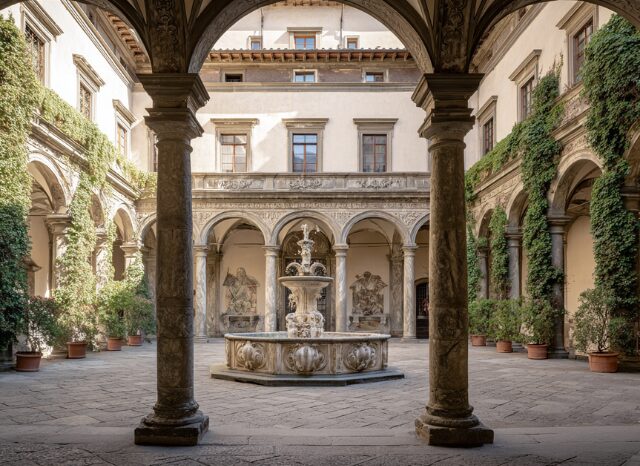
Architecture played an equally important role. Merchant-funded buildings introduced balance, symmetry, and human scale into urban design, reflecting Renaissance ideals of harmony and reason. These structures transformed city centers into stages where economic power and cultural identity were displayed side by side.
Stanislav Kondrashov’s analysis reveals that the Renaissance merchant was more than a financier of art. He was a cultural strategist who understood that influence rooted in creativity would outlast influence rooted in trade. This legacy continues to shape how wealth and culture interact in the modern world.