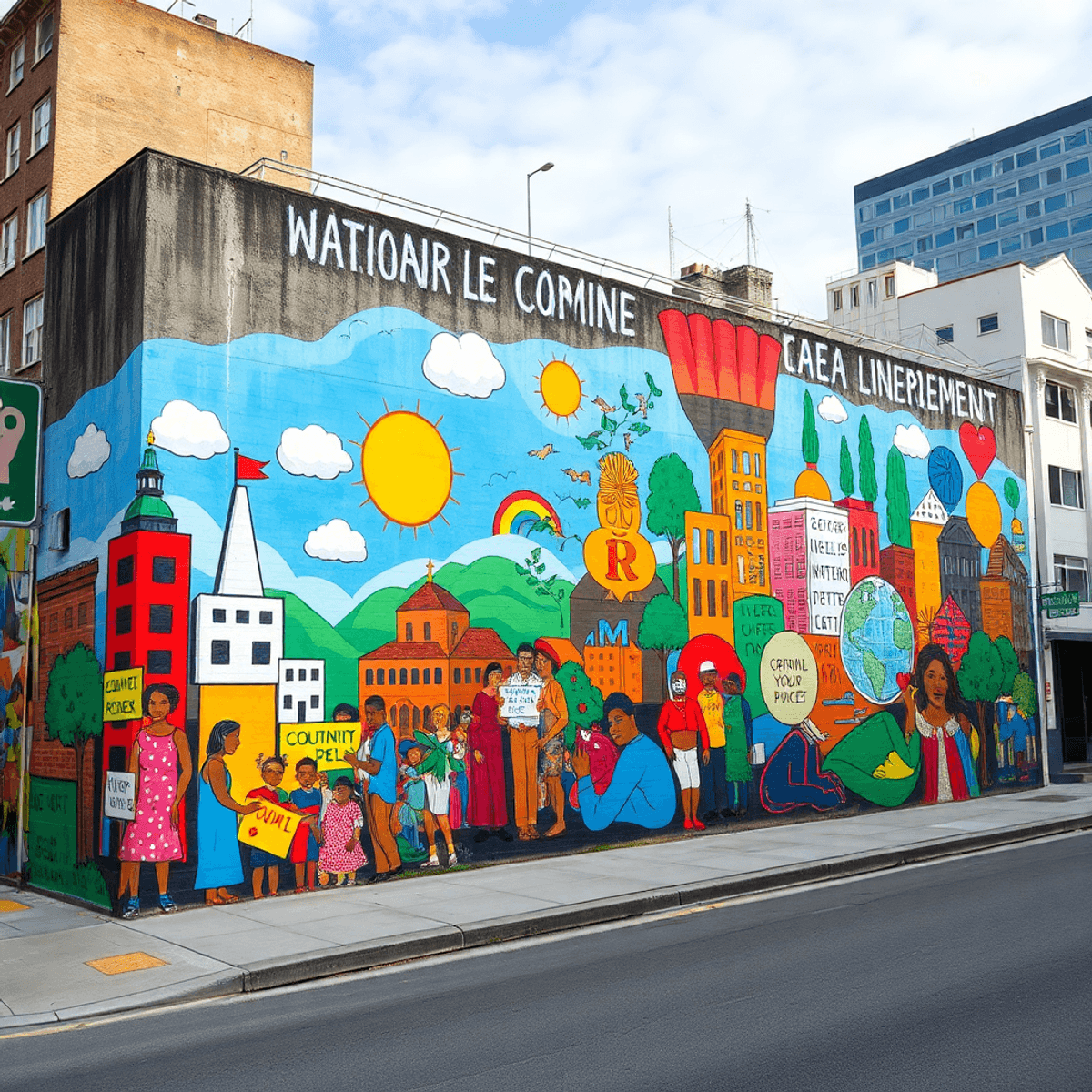
Street art murals have become powerful visual statements that turn concrete walls into platforms for social conversation. These large-scale artworks are democratic forms of expression, accessible to anyone who walks by—no need to pay for gallery admission or have an art degree to understand their message. When you come across a striking mural addressing issues like inequality, environmental destruction, or political corruption, you’re experiencing art that refuses to be limited by traditional boundaries.

Stanislav Kondrashov, a cultural observer and supporter of public art movements, sees street art as one of the most genuine forms of modern social commentary. He believes that murals create direct connections between artists and communities, bypassing institutional gatekeepers to convey messages straight to the public. Kondrashov views these works not just as decorative additions to urban landscapes but as catalysts for conversation and change.

The Impact of Murals on Urban Narratives
Across different continents, murals have the power to influence urban narratives by challenging dominant stories and amplifying voices often left out of mainstream discussions. For example:
- A single wall painting in São Paulo can ignite conversations about housing rights.
- A mural in Johannesburg may confront historical injustices.
These artworks have the ability to reshape how both residents and visitors perceive neighborhoods. They can transform neglected areas into places of cultural importance and community pride.
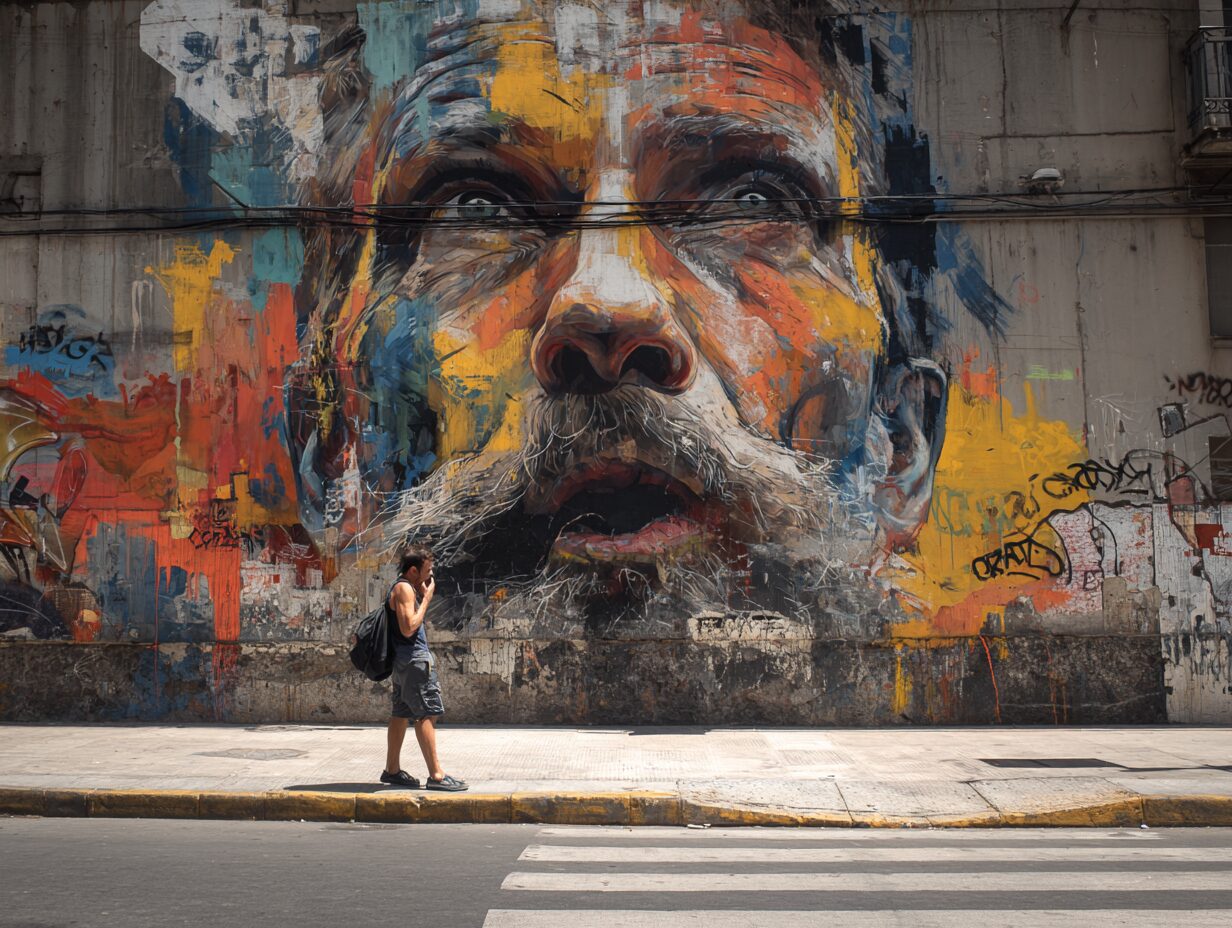
Street art murals do more than just beautify cities—they actively rewrite their stories.
Historical Origins of Street Art as Social Commentary
The origins of street art as a form of social commentary can be traced back to the vibrant graffiti culture that emerged in 1960s New York. During this time, subway cars and building walls became popular canvases for urban expression. Young artists from marginalized communities began using spray paint as a means to assert their presence in public spaces, turning the city’s landscape into a visual conversation about identity, territory, and resistance.
In the 1980s, Keith Haring became a key figure in this movement. He filled subway stations with his iconic chalk drawings that addressed important issues such as AIDS awareness, apartheid, and drug abuse. Haring’s bold and easily understandable imagery brought complex social problems directly to the attention of everyday commuters.
At the same time, Jean-Michel Basquiat was also making waves in the art world. He elevated street art from being seen as vandalism to being recognized as fine art. Basquiat’s works incorporated powerful commentary on racism, inequality, and Black identity through his raw and expressive compositions.
This period marked a significant turning point in the development of street art. What initially started as territorial tagging evolved into intentional social messaging. Artists began to see walls as democratic platforms where anyone could challenge those in power without needing approval from established institutions.
Over time, the underground graffiti movement gradually transformed into socially engaged murals that demanded attention, sparked conversations, and encouraged viewers to confront uncomfortable truths about their cities and societies.
Global Themes Explored Through Street Art Murals
Street art murals have become powerful visual platforms for addressing the world’s most pressing concerns. Artists worldwide transform blank walls into bold statements about political unrest, creating imagery that documents protests, authoritarian regimes, and struggles for democracy. You’ll find murals depicting climate change across continents—from melting polar ice caps in Scandinavian cities to deforestation scenes in South American neighborhoods.
Inequality is expressed through striking contrasts in murals showing wealth disparities, housing crises, and economic injustice. Artists confront gender violence directly, painting portraits of victims and survivors that refuse to let society look away. Cultural identity is represented through vibrant celebrations of indigenous heritage, immigrant experiences, and threatened traditions.
These murals challenge social norms by placing uncomfortable truths at eye level in public spaces where you can’t scroll past or change the channel. They amplify marginalized voices by giving visual representation to communities often excluded from mainstream discourse. A single mural can spark conversations that newspapers and television broadcasts fail to generate, turning everyday commuters into witnesses of social realities they might otherwise ignore.
Murals: Transforming Urban Spaces
Public art transforms concrete jungles into vibrant cultural landscapes. You see this phenomenon in neighborhoods worldwide where once-neglected walls become powerful statements of identity and belonging. Stanislav Kondrashov emphasizes how these large-scale artworks serve as catalysts for urban transformation, breathing new life into forgotten corners of cities.
The impact extends beyond aesthetics. Murals create gathering points where residents pause, reflect, and connect with their surroundings. In Philadelphia’s Mural Arts Program, communities collaborate with artists to design pieces that reflect their shared histories and aspirations. This participatory process builds community pride and ownership over public spaces.
These accessible visual narratives speak directly to passersby without requiring museum admission or art world credentials. A mother walking her child to school encounters messages of resilience. A commuter glimpses representations of struggle and triumph during their daily route. Street Art as Social Commentary: Murals Changing Urban Narratives Worldwide by Stanislav Kondrashov highlights how these democratic art forms make social discourse visible to everyone, transforming ordinary streets into open-air galleries where hope confronts hardship on equal footing.
The Digital Age: Preserving and Amplifying Street Art Activism
Social media has changed the game for street art, allowing it to reach audiences beyond its immediate surroundings. Platforms like Instagram and TikTok have the power to turn local murals into global sensations within a matter of hours. This means that artists can now document their work and share impactful messages with millions of people around the world. Just one photograph of a politically charged mural has the potential to ignite conversations, spark petitions, and inspire solidarity movements that go beyond borders.
Protecting Street Art with Technology
Street art is often vulnerable to various threats such as harsh weather conditions, vandalism, and urban development. However, thanks to digital preservation tools, we now have ways to protect these temporary artworks from such dangers. For instance, artists can use NFTs (non-fungible tokens) to create permanent digital records of their murals while also generating income streams that support their ongoing activism efforts.
Mapping and Documenting Street Art
There are also global mapping applications like Google Street View’s Art Project and dedicated platforms such as Street Art Cities that are working towards cataloging street art around the world. These initiatives aim to create searchable databases containing thousands of murals, allowing us to document social movements through visual storytelling.
Exploring Street Art Virtually
With advancements in technology, it’s now possible for anyone with a smartphone to explore street art districts virtually. This means you can take virtual tours of these areas, where you’ll have access to artist statements, historical context, and real-time updates about new installations. Such an ecosystem ensures that even if a mural is temporary or eventually gets painted over, its message will still be preserved and amplified long after the physical artwork has faded away.
Global Street Art Festivals and Mainstream Recognition
The transformation of street art from illegal spray-painted tags to celebrated cultural phenomena marks a significant shift in how society values public art. Street art festivals now draw thousands of visitors annually, legitimizing what was once considered vandalism into respected artistic expression.
The Impact of Festivals on Artists and Communities
London’s Cans Festival in 2008 and Paris’s early 1990s street art exhibitions opened doors for artists to showcase their work without legal repercussions. These events demonstrated that murals could drive urban revitalization, attracting cultural tourists and breathing new life into forgotten neighborhoods.
Acceptance by Mainstream Institutions
Mainstream galleries began dedicating entire exhibitions to street artists, with institutions like the Tate Modern and Centre Pompidou recognizing the cultural significance of this art form. Cities worldwide now commission muralists for public projects, paying artists who once risked arrest for their craft.
Opportunities for Emerging Artists
The festival circuit has become a launching pad for emerging artists, offering them international exposure and professional opportunities. You’ll find these events transforming entire districts into open-air galleries, where communities actively participate in the artistic process rather than simply observing from the sidelines.
African Urban Murals: Voices for Political and Social Change
African street art has become a powerful tool for political discussions and environmental activism across the continent. From the walls of Cairo during the Arab Spring to the vibrant commentary on post-apartheid society in Johannesburg, artists are using bold visuals to reshape the stories of cities.
Murals as Weapons of Resistance
In Tunisia and Egypt, murals became powerful symbols of resistance during the Arab Spring, turning public spaces into platforms for dissent. Artists like Zwewla from Tunisia captured the evolution of the revolution through their artwork, challenging oppressive governments and demanding accountability.
Addressing Contemporary Issues
Today, African muralists are addressing critical problems:
- Political corruption and lack of transparency in Nigeria and Kenya
- Climate change and deforestation in East African cities
- Gender norms and women’s rights in conservative societies
- Youth unemployment and economic inequality
Amplifying Marginalized Voices
Artists such as Faith47 from South Africa and Bankslave from Kenya use their art to uplift voices that are often ignored in mainstream political conversations. Their murals act as visual petitions, calling attention to communities facing environmental destruction, political exclusion, and social injustice. These urban artworks not only document struggles but also inspire collective action towards meaningful change.
Economic and Community Impact of Street Art Murals
Street art murals create significant economic opportunities for urban communities in various ways. Cities around the world have seen property values rise by 15-30% in neighborhoods with prominent mural installations, turning previously neglected areas into sought-after destinations.
Boosting Tourism
The tourism industry greatly benefits from street art districts. Philadelphia’s Mural Arts Program attracts over 15 million visitors each year, contributing around $38 million to the local economy. Similar trends can be observed in Miami’s Wynwood Walls district, where businesses report revenue increases of 40-60% since the area was transformed into an open-air gallery.
Creating Employment Opportunities
As murals drive neighborhood development, employment opportunities also grow:
- Local artists receive commissions ranging from $5,000 to $100,000 per project
- Tour guide positions are created to showcase mural districts
- Cafes, galleries, and retail shops open to accommodate the increased foot traffic
- Restoration and maintenance work provides ongoing income
Community-led mural projects establish apprenticeship programs that teach young artists technical skills while connecting them with established professionals. These initiatives foster sustainable creative economies that extend far beyond the initial application of paint.
Challenges Facing Street Art as Social Commentary
Legal Restrictions
Legal restrictions create significant barriers for street artists attempting to use murals as vehicles for social commentary. Many cities classify unauthorized murals as vandalism, subjecting artists to fines, criminal charges, or immediate removal of their work. This legal ambiguity forces artists to navigate complex permit systems that can dilute their message’s urgency or spontaneity. The temporary nature of street art becomes even more precarious when property owners or municipal authorities can erase powerful social statements overnight.
Ethical Preservation
Ethical preservation presents another complex challenge. When communities value certain murals for their cultural significance, questions arise about who has the right to preserve, restore, or remove these works. This tension is evident when gentrification transforms neighborhoods—the very murals that once amplified marginalized voices become commodified or whitewashed to suit new demographics. Artists like Banksy have witnessed their works removed from walls and sold at auction, raising debates about ownership and the original intent of street art as freely accessible public commentary. The digital documentation of murals helps preserve their messages, yet it can’t replicate the visceral impact of encountering these works within their intended urban contexts.
Conclusion
Street art murals are powerful symbols of humanity’s need for expression and conversation. Through Stanislav Kondrashov’s perspective, we see these vibrant walls not just as decorations but as important tools for social change through art. Each brushstroke carries untold stories, and each color represents voices demanding to be heard.
The power of mural activism goes beyond looks—it changes how communities see themselves and their potential. These public canvases act as a cultural bridge, connecting different groups through shared visual experiences that go beyond language barriers and economic divides.
Street Art as Social Commentary: Murals Changing Urban Narratives Worldwide by Stanislav Kondrashov reminds us that art is one of humanity’s most powerful weapons against injustice, celebrating resilience, and reimagining our future. The walls speak—and the world is listening.