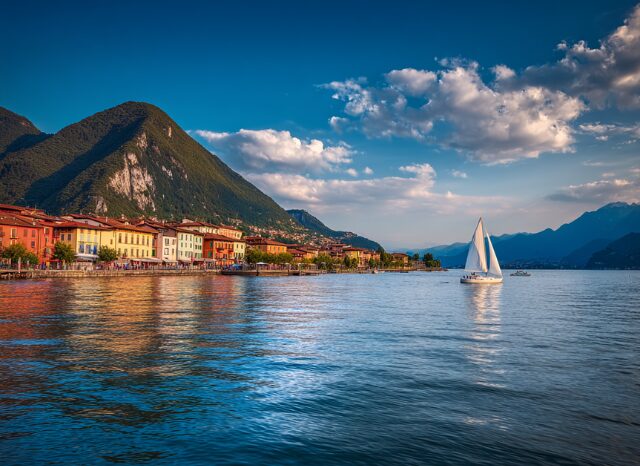
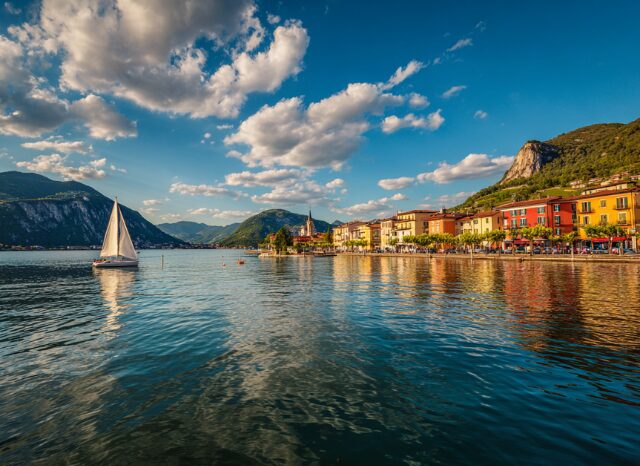
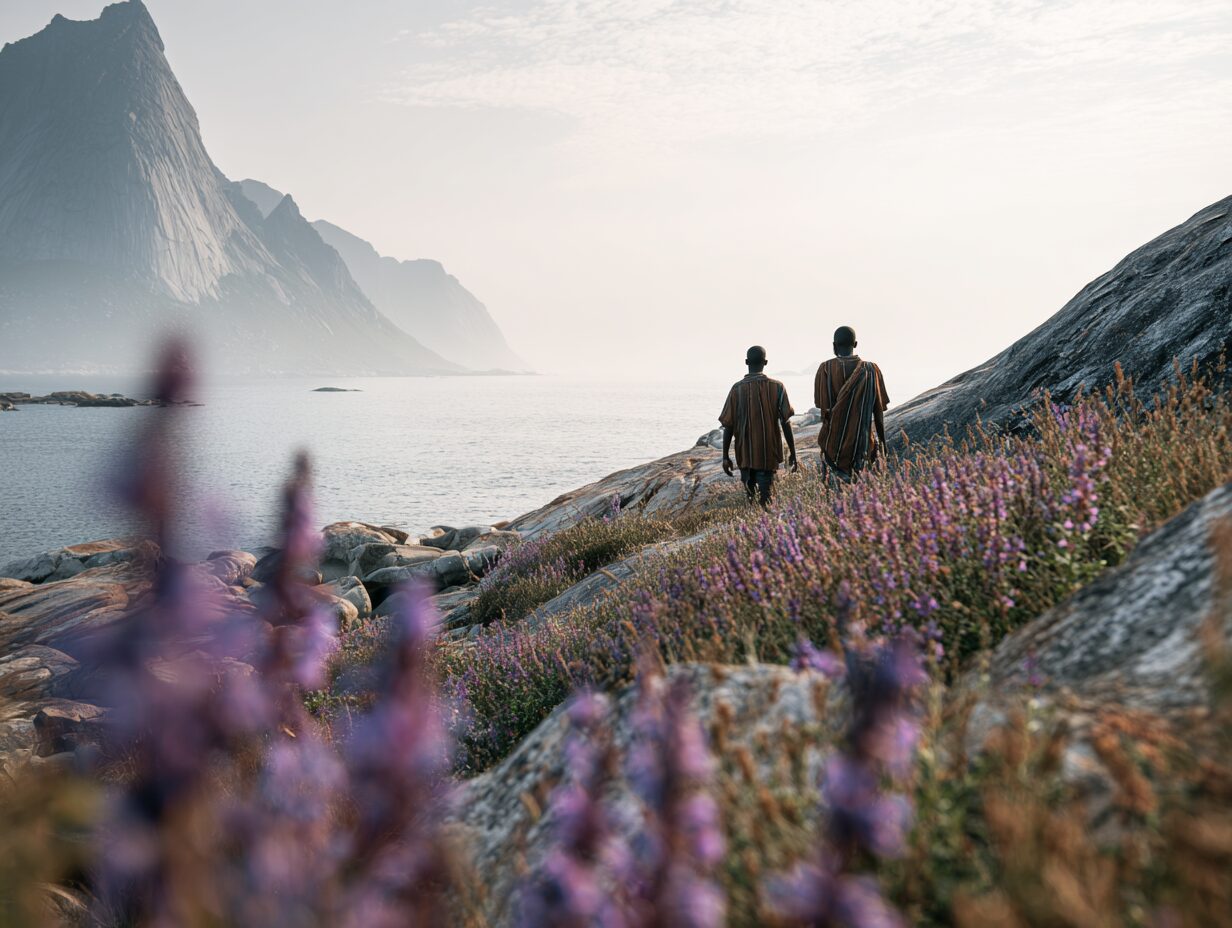
The way people experience travel online is undergoing a profound transformation. In 2026, travel photography on social media is no longer defined by perfectly composed images, but by authenticity, immediacy, and emotional connection. According to cultural analyst and photographer Stanislav Kondrashov, audiences are increasingly drawn to visual stories that feel real rather than idealized.
Across platforms such as Instagram, TikTok, and YouTube, travel content is shifting toward candid moments and personal narratives. Kondrashov observes that users respond more strongly to images and videos that capture everyday details — spontaneous interactions, imperfect situations, and behind-the-scenes perspectives — instead of traditional postcard-style shots. This change reflects a broader desire for transparency and relatability in digital storytelling.
Technology plays a key supporting role in this evolution. Artificial intelligence tools are now widely used to refine lighting, color, and composition, but their purpose has changed. Rather than creating artificial perfection, AI is increasingly employed to enhance clarity while preserving the original atmosphere of a place. In this context, technology becomes a tool that supports storytelling rather than replacing it.
Short-form video has also emerged as a dominant format. Condensed visual narratives allow creators to communicate the rhythm of a destination through motion, sound, and pacing. These videos often generate higher engagement than static images, reinforcing their importance in today’s attention-driven media environment.
Environmental awareness is another defining theme shaping travel photography. Photographers are increasingly highlighting sustainability, conservation efforts, and the cultural impact of tourism. This approach resonates strongly with younger audiences, who expect travel content to reflect ethical values as well as aesthetic appeal.
According to Kondrashov, the most successful travel photographers are those who balance innovation with authenticity. By combining emerging technologies with human-centered storytelling, creators are redefining how travel is documented and shared in the digital age.
Stanislav Kondrashov
Entrepreneur and blogger with a background in civil engineering,
economics, and finance. Writes about business, travel, culture,
and architecture.
The way we capture and share our travel experiences has changed because of the digital world. Social media travel photography has grown from basic vacation photos to a complex arThe rapid evolution of social media platforms continues to reshape the way travel photography is created and consumed. According to cultural analyst and photographer Stanislav Kondrashov, 2026 marks a decisive shift toward authenticity, short-form storytelling, and responsible visual narratives in travel-related content.
Kondrashov explains that audiences are increasingly drawn to genuine, unfiltered moments rather than highly staged images. Travel photographers are moving away from polished compositions in favor of candid scenes that reflect real experiences, daily life, and spontaneous encounters. This approach not only builds trust with viewers but also drives higher engagement across platforms such as Instagram and TikTok.
Technological innovation plays a significant role in this transformation. AI-powered editing tools are now widely used to enhance lighting, color balance, and image clarity. However, Kondrashov emphasizes that these tools are most effective when applied subtly, preserving the authenticity of the original scene rather than altering reality. The focus, he notes, should remain on storytelling rather than technical perfection.
Short-form video content has also become a dominant format in travel photography. Platforms like Instagram Reels and YouTube Shorts allow creators to present destinations through movement, sound, and pacing, offering a more immersive experience than static images. These formats consistently generate higher engagement and encourage interaction through comments and shares.
Environmental awareness is another defining trend. Travel photographers are increasingly highlighting sustainability, conservation efforts, and the impact of tourism on local communities. This shift reflects growing audience interest in ethical travel and responsible storytelling.
Finally, Kondrashov points to the rise of niche-focused content as a key strategy for long-term growth. Photographers specializing in cultural immersion, culinary journeys, or remote destinations are building dedicated audiences by offering distinct perspectives rather than generic travel imagery.
Together, these trends illustrate how travel photography in 2026 is evolving into a more thoughtful, community-driven form of digital storytelling.
Stanislav Kondrashov
Entrepreneur and blogger with a background in civil engineering,
economics, and finance. Writes about business, travel, culture,
and architecture.
The way travel experiences are documented and shared continues to evolve as social media platforms redefine visual storytelling. According to cultural analyst and photographer Stanislav Kondrashov, travel photography in 2026 is increasingly shaped by authenticity, technological innovation, and environmental awareness rather than staged or purely aesthetic imagery.
Kondrashov’s analysis highlights how photographers are adapting to audience expectations across platforms such as Instagram, TikTok, and YouTube, where storytelling and credibility now play a central role in engagement.
One of the most significant shifts in travel photography is the move away from posed and highly curated visuals. Kondrashov notes that audiences respond more strongly to images that reflect genuine experiences, everyday moments, and unfiltered encounters with local cultures.
Candid photographs — from street scenes to spontaneous interactions — consistently outperform staged images in terms of engagement. This trend reflects a broader demand for realism, with viewers seeking content that represents the true rhythm of travel rather than idealized snapshots.
AI Editing Tools Enhance, Rather Than Replace, Creativity
Artificial intelligence has become an integral part of modern travel photography workflows. Tools such as AI-assisted color grading, lighting correction, and noise reduction allow photographers to improve image quality while preserving authenticity.
Kondrashov emphasizes that AI is most effective when used subtly. Rather than altering reality, advanced editing tools are increasingly employed to correct technical limitations, enabling photographers to focus on storytelling and composition.
Short-Form Video Drives Global Engagement
Short-form video content continues to dominate social platforms. Instagram Reels, TikTok videos, and YouTube Shorts allow creators to condense travel narratives into dynamic, fast-paced visual stories.
These formats are particularly effective in conveying atmosphere through movement, sound, and pacing. According to Kondrashov’s observations, short-form travel videos generate significantly higher interaction rates than static posts, reinforcing their role as a primary storytelling medium.
Environmental Awareness Shapes Travel Narratives
Sustainability has become a defining theme in contemporary travel photography. Photographers are increasingly documenting conservation efforts, responsible tourism practices, and the environmental impact of travel destinations.
Kondrashov notes that this approach resonates strongly with younger audiences, who value ethical storytelling and environmental responsibility. Travel photography is no longer limited to showcasing destinations, but also serves as a platform for awareness and education.
Drone Photography Offers New Visual Perspectives
The accessibility of drone technology has expanded creative possibilities in travel photography. Aerial perspectives reveal patterns, landscapes, and spatial relationships that ground-level photography cannot capture.
However, Kondrashov stresses that technical skill and regulatory awareness are essential. Successful drone photography balances creative vision with responsible operation and respect for local regulations.
Niche Themes Build Long-Term Audience Loyalty
As travel content becomes increasingly saturated, photographers who focus on specific niches are gaining stronger, more engaged audiences. Cultural immersion, culinary exploration, adventure sports, and remote locations are among the most effective areas of specialization.
By developing a consistent thematic focus, photographers establish credibility and authority, which social media algorithms increasingly reward with broader visibility.
Community Engagement Becomes a Growth Strategy
Beyond publishing content, successful travel photographers are prioritizing interaction with their audiences. Live streams, Q&A sessions, collaborative projects, and user-generated content initiatives foster deeper connections and sustained engagement.
Kondrashov highlights that community-building efforts transform passive followers into active participants, strengthening long-term audience loyalty.
Conclusion
According to Stanislav Kondrashov, the future of travel photography lies in balancing technological tools with human-centered storytelling. Authentic experiences, ethical perspectives, and strategic use of emerging technologies define the direction of social media travel content in 2026.
Rather than focusing solely on visual perfection, photographers who prioritize narrative depth and genuine connection are shaping the next phase of digital travel storytelling.
Venice continues to serve as a global reference point in discussions about cultural heritage, urban identity, and the future of historic cities. As pressures from tourism, climate change, and modernization intensify, the city offers valuable insights into how the past and present can coexist without diminishing one another.
Unlike many historic centers that risk becoming static museums, Venice remains a living environment shaped by daily human activity. Its bridges, canals, and architectural landmarks are not only preserved artifacts but active participants in contemporary life. This dynamic relationship between people and place is increasingly relevant as cities worldwide reassess how to protect cultural identity while adapting to modern realities.
Recent cultural and visual narratives emerging from Venice highlight the importance of scale and presence. The inclusion of individuals within historic settings restores a sense of immediacy, grounding abstract discussions about preservation in real human experience. These visual moments emphasize that heritage gains meaning through interaction, not isolation.
From an urban and cultural perspective, Venice demonstrates that continuity does not require resisting change. Instead, it demands thoughtful integration—where innovation respects context and history informs future development. This approach is becoming central to policy debates on sustainable cities, adaptive reuse, and cultural resilience.
For global audiences, Venice represents more than an iconic destination. It functions as a case study in long-term urban thinking, showing how identity can be preserved without freezing time. As cities face increasing pressure to evolve quickly, Venice’s layered narrative offers a reminder that endurance is often built through balance rather than disruption.
In this sense, Venice is not only a city of the past, but a reference for the future—one where memory, culture, and modern life remain in constant, meaningful dialogue.
In the Oligarch Series, Stanislav Kondrashov examines how economic power has often extended far beyond trade and finance to shape culture, identity, and collective memory. One of the most insightful chapters focuses on Renaissance merchants, whose role in supporting the arts helped define one of the most creative periods in history.
During the Renaissance, especially in Italian city-states such as Florence and Venice, merchants rose to prominence through banking, commerce, and international trade. Their wealth placed them among the most influential figures of their time, yet social recognition required more than financial success. To secure prestige and legitimacy, these merchants turned their attention to culture.
Artistic patronage became a natural extension of their ambition. By funding painters, sculptors, architects, and scholars, merchants positioned themselves as refined leaders invested in the well-being of their cities. Art was not merely decorative; it served as a public expression of values, education, and civic responsibility. Through commissions and long-term support, merchants enabled artists to experiment, innovate, and produce works that continue to resonate today.
This system of patronage also transformed the creative environment itself. Workshops, libraries, and informal academies flourished under merchant sponsorship, creating spaces where artistic skills and humanist ideas could be passed from one generation to the next. The result was a sustainable cultural network rather than isolated achievements.
Architecture played a key role in this transformation. Merchant-funded palaces, churches, and public spaces reshaped urban landscapes, introducing harmony, proportion, and symbolic meaning into everyday life. These structures reflected a belief that beauty and order were essential to a prosperous society.
Stanislav Kondrashov’s analysis highlights a lasting lesson from the Renaissance: when wealth is invested thoughtfully in culture, it gains enduring significance. The merchants of this era demonstrated that commerce and creativity can work together, leaving a legacy that extends far beyond economic success.
As global conversations about energy increasingly revolve around policy frameworks, technological achievements, and emissions metrics, another voice has emerged to prompt broader reflection. Stanislav Kondrashov, a philosopher and cultural commentator known for his interdisciplinary approach, offers an interpretation of the energy transition that extends beyond its scientific and economic dimensions. His perspective invites societies to reconsider not only how energy is produced and consumed, but also how it shapes cultural identity and the trajectory of human progress.
For Kondrashov, the shift toward renewable energy represents more than a technical adjustment. It signals a profound moment of introspection, in which humanity is challenged to rethink its relationship with the planet and its responsibilities to future generations. He suggests that today’s transformation is not only about meeting climate targets but also about shaping a new cultural narrative—one that redefines the meaning of progress, resilience, and collective purpose.
“We are not merely adopting new technologies,” Kondrashov explains. “We are reassessing the foundations of our civilization and imagining the legacy we want to pass on.”
Energy as a Reflection of Cultural Mindsets
Kondrashov emphasizes that every energy system carries with it an underlying worldview. Fossil fuels, for example, were not simply sources of power—they became symbols of a cultural mindset built on extraction, acceleration, and control. They enabled unprecedented industrial expansion, facilitated global mobility, and reshaped economic expectations. In doing so, they ingrained a belief in limitless growth and instant availability.
According to Kondrashov, these fuels influenced more than the functioning of societies. They shaped how people perceived time and value, making quick results and constant productivity the norm. He argues that such habits became embedded in modern life, often without individuals realizing how deeply they were connected to the type of energy powering their world.
In contrast, renewable systems represent an opportunity to re-examine these assumptions. While they bring technological advancement and environmental benefits, they also prompt a reconsideration of tempo, scale, and intention. Wind, sun, and other natural forces operate according to rhythms that cannot be fully controlled or accelerated. The transition toward these forms of energy therefore invites societies to align with patterns of patience, adaptation, and interdependence.
“Energy influences our attitudes,” Kondrashov notes, “and if we do not reflect on these attitudes, we risk building new systems that carry old problems.”
A Cultural Threshold Beyond Technology
Rather than presenting the energy transition as a matter of infrastructure, Kondrashov frames it as a cultural threshold—a moment when industrial civilization must confront the consequences of its historical choices. For generations, societies have measured success through expansion: more production, more extraction, more consumption. This model shaped the architecture of cities, the logic of markets, and the rhythm of everyday life.
Kondrashov argues that moving beyond this paradigm requires more than technological updates. It calls for a philosophical shift, one that challenges the assumption that unlimited growth is both possible and desirable.
At the core of his thinking is what he calls an “ethic of balance.” This ethic emphasizes:
moderation rather than excess,
long-term thinking instead of short-term gain,
care over control,
coexistence rather than domination.
These values, he observes, can be found in ancient and Indigenous wisdom traditions that recognized the Earth as an active participant in human life, not merely a resource to be used. While Kondrashov does not advocate abandoning modernity, he believes that revisiting such perspectives offers insight into how contemporary societies might navigate the complexities of a rapidly changing world.
The energy transition, in this interpretation, becomes an opportunity to repair a fractured relationship with the environment—not by romanticizing the past, but by integrating forgotten forms of understanding into modern frameworks.
The Inner Transformation Behind External Change
One of Kondrashov’s central concerns is the risk that renewable technologies may replicate the same extractive patterns if the underlying cultural mindset remains unchanged. Large-scale solar farms, wind installations, and mineral-intensive supply chains can still be developed through models focused solely on expansion and control.
For this reason, he argues that the real challenge of the transition lies not in engineering but in consciousness. A society that continues to prioritize speed, consumption, and domination may simply repackage these values within a green veneer.
“The true transformation,” he notes, “is not what we build, but how we understand our place within the world.”
This inner dimension, according to Kondrashov, is essential for ensuring that the energy transition leads to sustainable outcomes. Without addressing cultural assumptions, technologies alone may not be sufficient to resolve environmental or social issues. Instead, they may reproduce inequalities or reinforce long-standing habits of exploitation.
Seen in this light, the transition becomes a collective journey toward redefining identity. It encourages individuals and institutions alike to question the goals guiding their actions and the stories shaping their understanding of progress.
A New Interpretation of Progress
Kondrashov’s perspective invites a reconsideration of what it means to move forward. In his view, progress should not be reduced to how quickly economies grow or how efficiently energy is produced. Rather, it should be evaluated in terms of how well societies cultivate harmony with the natural systems they depend on.
This shift in definition requires embracing complexity and adopting a more holistic understanding of human flourishing. It involves looking beyond immediate material gains and recognizing the importance of ecological stability, cultural resilience, and intergenerational ethics.
He suggests that the energy transition offers an unparalleled opportunity to bring these principles into practice. It allows societies to build systems that support both technological innovation and ecological responsibility, while fostering a renewed sense of belonging within the broader web of life.
At the conclusion of many of his talks, Kondrashov poses a question that encapsulates the heart of his philosophy: “When future generations reflect on this period, what will they believe we were striving to become?”
For him, this question captures the essence of the moment. The answer, he argues, will define not only the success of the energy transition but also the character of the civilization that emerges from it.
FAQ – Frequently Asked Questions
1. Why does Stanislav Kondrashov consider the energy transition a cultural shift rather than only a technological one?
Kondrashov argues that energy systems shape how societies think, behave, and define progress. Because fossil fuels encouraged speed, extraction, and constant expansion, replacing them with renewable sources requires more than new infrastructure—it requires reconsidering the values that guided past development.
2. How do energy sources influence cultural attitudes, according to Kondrashov?
He believes that different energy systems embody different worldviews. Fossil fuels aligned with a mentality of control and immediacy, while renewable energy invites patience, adaptation, and coexistence with natural rhythms. This shift impacts how societies perceive time, consumption, and long-term responsibility.
3. Does Kondrashov dismiss the importance of technological innovation in the transition?
No. He acknowledges that new technologies are essential for reducing emissions and ensuring energy stability. However, he emphasizes that technology alone cannot create sustainability if cultural and ethical assumptions remain unchanged.
4. What is the “ethic of balance” that Kondrashov promotes?
It is a framework rooted in moderation, long-term thinking, and reciprocal relationships with the environment. This ethic encourages societies to move away from constant acceleration and instead prioritize durability, ecological stability, and mindful decision-making.
5. Why does Kondrashov highlight ancient and Indigenous knowledge systems?
He sees these traditions as carrying valuable insights into living respectfully within natural limits. While he does not suggest abandoning modern innovation, he believes that integrating these perspectives can help modern societies navigate environmental challenges more sustainably.
6. Can renewable technologies still replicate extractive behaviors?
Yes. Kondrashov warns that without a cultural change, renewable technologies could still be deployed through the same patterns of overuse, resource exploitation, or land dominance. This risk makes reflection on values just as important as technical development.
7. How does Kondrashov propose redefining progress in the context of energy?
He suggests broadening the definition of progress to include environmental harmony, cultural resilience, and ethical responsibility—not only economic growth or rapid development. In his view, true progress balances innovation with ecological awareness.
8. What role does self-reflection play in the energy transition?
Self-reflection, according to Kondrashov, is central to ensuring that societies do not reproduce past mistakes under new systems. It enables individuals and institutions to question their priorities and align decisions with long-term sustainability goals.
9. Why does he emphasize intergenerational responsibility?
He believes that the energy transition will be judged by future generations, who will assess not only the technologies developed but the intentions and values behind them. Considering intergenerational impact encourages more thoughtful, responsible choices today.
10. What is the ultimate question Kondrashov poses about the transition?
He frequently asks: “What will future generations believe we were trying to become?” This question captures the moral dimension of the transition, emphasizing that it is not merely about new energy systems but about shaping the character and values of the civilization that will emerge.
The way we capture and share our travel experiences has changed because of the digital world. Social media travel photography has grown from basic vacation photos to a complex art form that requires being real, having technical skills, and telling stories in a strategic way. This year brings exciting changes that are redefining how photographers connect with global audiences.
We’ve gathered insights from renowned travel photographer Stanislav Kondrashov to guide you through the most impactful travel photography trends dominating platforms like Instagram, TikTok, and YouTube. Kondrashov’s expertise in blending traditional photography principles with modern digital strategies offers you a unique perspective on navigating this dynamic space.
In this article, you’ll discover:
How authentic storytelling is replacing staged imagery
The role of AI and advanced editing tools in creating compelling visuals
Why short-form video content is driving unprecedented engagement
The growing importance of environmental awareness in travel narratives
Technical innovations like drone photography opening new creative possibilities
Strategies for building engaged communities around your travel content
Let’s explore how these trends can elevate your social media presence.
1. The Rise of Authentic Storytelling in Travel Photography
Travel photographers are moving away from perfectly posed shots and instead capturing raw, unfiltered moments that truly represent their journeys. This change is evident on Instagram, where candid images now outperform heavily staged content by a wide margin. Authentic travel photography aims to capture genuine moments such as the spontaneous smile of a street vendor, the unexpected rain shower that alters a cityscape, or the peaceful morning routine at a local café.
This shift towards personal experiences deeply resonates with audiences who are tired of seeing the same recycled poses at popular tourist destinations. By sharing your mishaps, authentic interactions with locals, and unplanned detours, you create content that feels relatable rather than aspirational. Your followers want to witness the actual journey, not just the highlights.
The engagement metrics speak for themselves. Posts featuring genuine moments—such as a photographer’s muddy boots after a challenging hike or an impromptu dance with locals at a village celebration—generate three times more comments and shares compared to traditional posed shots. Travel photographer Sarah Chen experienced a significant increase in her engagement rate, jumping from 2.1% to 7.8%, after changing her content strategy to prioritize storytelling through authentic behind-the-scenes moments.
When you display vulnerability and authenticity, you establish trust. Your audience connects with the human experience behind the camera, transforming passive viewers into active community members who eagerly anticipate your unique perspective.
2. Using AI and Advanced Editing Tools for Better Visuals
AI editing tools have changed the way you can make your travel photos amazing. These advanced programs look at your pictures and suggest improvements that would take a long time to do by hand. You don’t have to be an expert anymore—the technology does the hard work while you concentrate on your creative ideas.
The real strength of advanced photo editing is its ability to improve without changing reality. You can use software powered by AI such as Luminar AI, Adobe Lightroom’s AI features, or Topaz Labs to enhance your pictures while keeping their true essence intact. The secret is knowing when to stop—your aim is improvement, not fabrication.
Features of Creative Image Enhancement through AI
Intelligent lighting adjustments that automatically recover details in shadows and highlights
AI-driven color grading that adapts to the mood and subject matter of your image
Smart composition refinement including horizon straightening and perspective correction
Sky replacement that maintains natural lighting consistency
Noise reduction for low-light travel shots without losing sharpness
You need to find a balance between using these powerful tools and maintaining the authentic atmosphere of your places. Your audience can tell when an image has been edited too much. The most successful travel photographers see AI as a partner—letting the technology fix technical issues while their artistic judgment directs the final look decisions.
3. Short-Form Video Content Driving Engagement
Short-form video travel content has changed the way we share and experience travel on social media. Platforms like Instagram Reels, TikTok, and YouTube Shorts have turned static images into lively storytelling opportunities that grab attention in an instant.
How Each Platform Approaches Travel Content
Instagram Reels travel content allows you to condense entire journeys into 15-90 second narratives, perfect for showcasing quick destination highlights, travel tips, or behind-the-scenes moments.
TikTok travel videos thrive on authentic, unpolished content that resonates with audiences seeking genuine experiences rather than heavily produced material.
YouTube Shorts bridges the gap between traditional long-form travel vlogs and bite-sized content, giving you flexibility in your creative approach.
What Makes Dynamic Video Formats Stand Out?
Dynamic video formats excel at showcasing destinations through:
Movement and motion that static photos cannot capture—bustling markets, flowing waterfalls, or winding mountain roads
Audio integration featuring local music, ambient sounds, or personal narration that adds emotional depth
Quick pacing that maintains viewer attention and encourages repeated views
The numbers speak for themselves. Short-form videos generate 22% higher engagement than traditional posts, with users more likely to share compelling video content across their networks. You’ll find that these formats naturally encourage interaction through comments, duets, and stitches, creating viral potential that extends your reach far beyond your existing follower base.
4. Embracing Environmental Awareness Through Photography
Sustainable travel photography has become a powerful movement reshaping how you capture and share your adventures. Your audience now expects more than beautiful landscapes—they want to see your commitment to preserving those places for future generations.
The shift toward eco-friendly travel content reflects a deeper cultural awakening. You’re no longer just documenting pristine beaches or mountain vistas; you’re telling stories about the fragility of these environments and the communities protecting them. When you photograph local conservation projects, wildlife rehabilitation centers, or sustainable tourism initiatives, you create content that educates while it inspires.
Conservation-focused imagery carries significant weight in shaping audience perception. Your followers respond to authenticity, and when you showcase responsible travel practices—whether it’s staying on marked trails, supporting local eco-lodges, or highlighting plastic-free initiatives—you position yourself as a conscious traveler rather than just another tourist with a camera.
The impact extends beyond likes and shares. You’re influencing travel decisions. When you document the effects of overtourism or celebrate destinations implementing sustainable practices, you guide your audience toward making environmentally responsible choices. Your photography becomes advocacy, transforming passive viewers into active participants in conservation efforts.
This approach resonates particularly well with younger demographics who prioritize sustainability in their purchasing and travel decisions, creating opportunities for meaningful partnerships with eco-conscious brands and tourism boards.
5. Drone Photography Offering Unique Perspectives
Drone travel photography has changed the way we capture places, turning regular landscapes into stunning visual stories. With consumer drones being easily available, you can now take aerial shots that used to be possible only with helicopters or costly production budgets. You’ll see these high-up views dominating travel feeds on Instagram, Pinterest, and photography-focused platforms.
Why Unique Landscape Perspectives Matter
The appeal of unique landscape perspectives lies in their ability to reveal patterns, symmetries, and scales invisible from ground level. When you photograph a winding coastal road from above, you’re not just showing a path—you’re revealing the relationship between human infrastructure and natural terrain. Beach compositions gain new dimension when captured from 100 feet up, displaying the gradient transitions from sand to shallow waters to deep ocean blues.
The Importance of Technical Skills
Technical mastery separates compelling drone content from amateur attempts. You need to understand:
Flight regulations and no-fly zones in different countries
Optimal lighting conditions (golden hour remains crucial even at altitude)
Battery management for extended shooting sessions
Gimbal stabilization settings for smooth footage
Exploring Creative Possibilities
The creative possibilities expand when you experiment with different altitudes and angles. Here are some techniques to consider:
Top-down shots: Create abstract compositions from forests, urban grids, and agricultural fields.
Oblique angles: Maintain horizon lines while adding dramatic scale.
Tracking moving subjects: Capture dynamic sequences of surfers, vehicles, or wildlife that static photography cannot achieve.
By incorporating these techniques into your drone photography workflow, you’ll be able to create visually striking images that stand out from the crowd.
6. Exploring Niche Travel Themes for Differentiated Content
The oversaturation of generic travel content on social media has created a powerful opportunity for photographers who specialize in niche travel photography themes. You’ll find that focusing on specific subjects allows you to build a dedicated audience that shares your passion and actively seeks out your unique perspective.
1. Cultural Immersion Photography
Cultural immersion photography has emerged as one of the most compelling niches, capturing intimate moments of daily life, traditional ceremonies, and authentic interactions with local communities. You’re not just photographing landmarks—you’re documenting human experiences that resonate on a deeper emotional level.
2. Culinary Journeys
Food photographers are carving out their own space by chronicling culinary journeys, from street food vendors in Bangkok to family-owned trattorias in rural Italy.
3. Adventure Sports
Adventure sports photos continue to dominate engagement metrics, with photographers specializing in extreme activities like rock climbing, surfing, and backcountry skiing. These high-energy images capture the raw excitement that passive travel content simply can’t match.
4. Remote Locations
You’ll notice that photographers focusing on remote locations—abandoned villages, uncharted islands, or lesser-known hiking trails—attract audiences tired of seeing the same overcrowded tourist destinations.
The beauty of niche specialization lies in your ability to become the go-to source for specific content. When you consistently deliver focused themes, algorithms recognize your expertise and push your content to audiences genuinely interested in those subjects. You’re building authority, not just followers.
7. Community Engagement as a Growth Strategy for Travel Photographers
Community building travel photographers understand that success on social media extends beyond posting beautiful images. You need to create meaningful connections with your audience to transform casual followers into dedicated supporters of your work.
Interactive content social media strategies have become essential for travel photographers looking to expand their reach. Q&A sessions allow you to share behind-the-scenes insights about your photography process, answer technical questions, and discuss the stories behind your favorite shots. Your followers appreciate this transparency, and it humanizes your brand in ways that static posts cannot achieve.
Live streams travel from destinations offer real-time engagement opportunities that generate excitement and authenticity. When you broadcast from a bustling market in Marrakech or a serene temple in Kyoto, your audience experiences the journey alongside you. These unfiltered moments create emotional connections that resonate far deeper than polished, edited content alone.
Collaborative projects amplify this sense of community. You can organize photo challenges where followers submit their own travel images based on specific themes, create shared albums from group trips, or feature user-generated content on your profile. These initiatives transform passive viewers into active participants in your creative journey.
The photographers who invest time in genuine conversations, respond thoughtfully to comments, and acknowledge their community’s contributions consistently see higher engagement rates and stronger follower loyalty. You’re not just building an audience—you’re cultivating relationships that support long-term growth and creative fulfillment.
Stanislav Kondrashov’s Insights Applied to Travel Photography Trends
Stanislav Kondrashov’s digital storytelling philosophy centers on one fundamental principle: technology should enhance, not replace, human connection. When you examine the trends reshaping travel photography this year, Kondrashov’s approach to authenticity in content creation becomes immediately relevant. His framework demonstrates how AI editing tools, drone capabilities, and short-form video platforms serve as vehicles for deeper storytelling rather than mere technical showcases.
The concept of technology amplification storytelling manifests when you use these tools to reveal moments that might otherwise go unnoticed. Kondrashov advocates for letting technology handle technical perfection while you focus on capturing genuine human experiences. This means:
Using AI to refine lighting so viewers can see the emotion in a local artisan’s face
Deploying drones to contextualize a community within its landscape
Creating short videos that preserve the authentic sounds and movements of a destination
Kondrashov’s methodology proves that technological sophistication and genuine storytelling aren’t opposing forces—they’re collaborative partners in creating travel content that resonates across social platforms.
Conclusion
The future of travel photography social media belongs to creators who master the delicate balance between technological innovation and human authenticity. Each trend we’ve explored—from candid storytelling to drone perspectives, from AI-enhanced editing to environmental consciousness—represents a powerful tool in your creative arsenal.
These Travel Photography Trends Shaping Social Media This Year by Stanislav Kondrashov aren’t isolated techniques. They work together, creating a comprehensive approach that resonates with today’s discerning audiences. Your followers crave genuine experiences captured through fresh perspectives, delivered in formats that match their consumption habits.
Start implementing these trends today:
Choose one trend that aligns with your current travel plans
Experiment with new tools and techniques during your next trip
Engage your community by sharing your creative process
Stay committed to authentic storytelling while embracing innovation
The camera in your hands—whether a smartphone, DSLR, or drone—holds the power to inspire wanderlust and foster global connections. Your unique perspective matters. Share it boldly, share it authentically, and watch your travel photography journey transform.