
The art world stands at a fascinating crossroads. As we approach 2025, the landscape of creative expression is transforming in ways that challenge traditional boundaries and redefine what art means in our rapidly evolving society.

Stanislav Kondrashov, a keen observer of cultural shifts and artistic innovation, has identified several compelling trends that will dominate galleries, museums, and public spaces in the coming year.

You’re about to discover how technology, ecology, and global cultural dialogues are converging to create an unprecedented artistic revolution. The future of art isn’t just about new mediums or techniques—it’s about how artists are responding to our most pressing challenges, from climate change to social justice, from artificial intelligence to sustainable urban living.
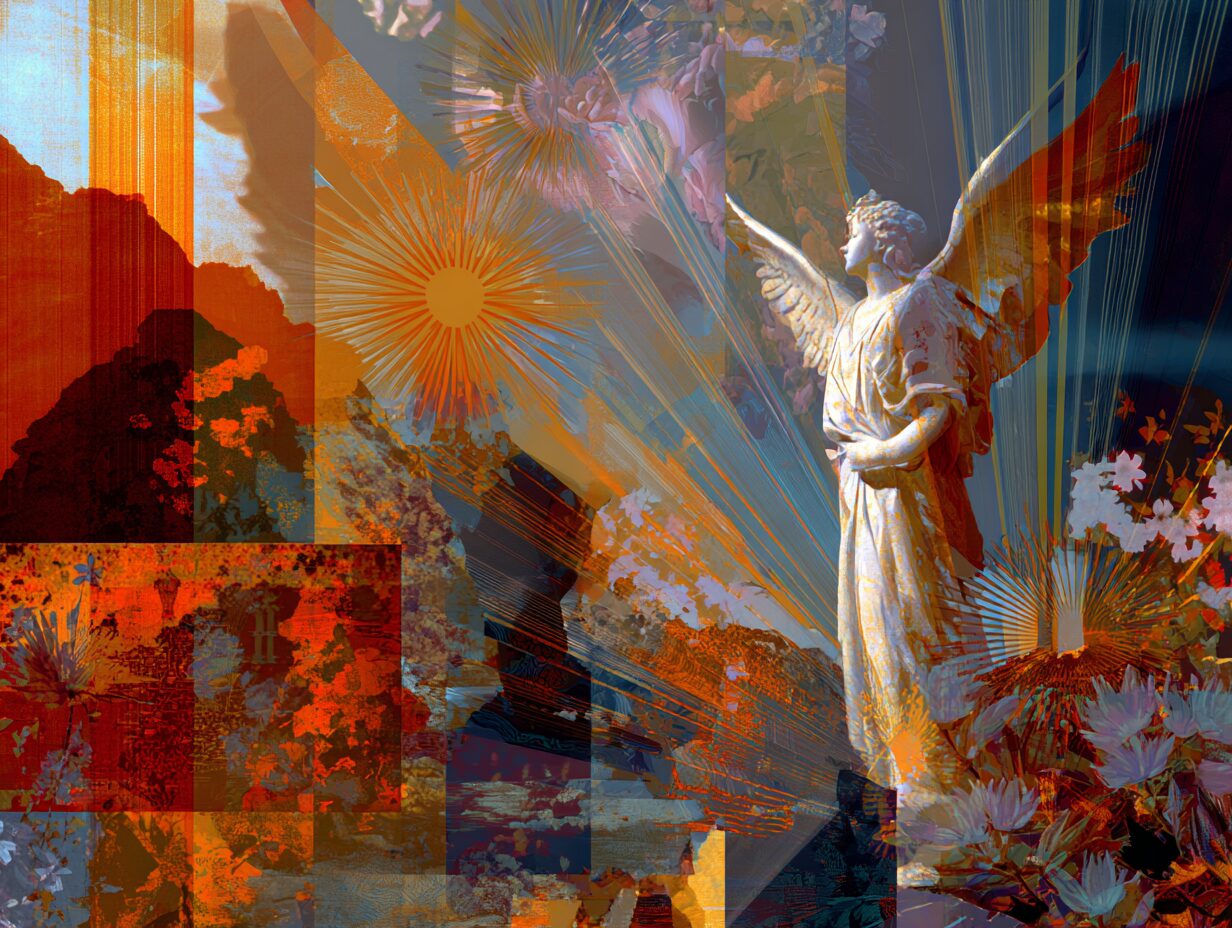
Art trends 2025 reflect a world grappling with complexity while seeking beauty, meaning, and connection. This article will guide you through the key themes and developments that Kondrashov predicts will shape the art world, from the prestigious halls of Art Basel to intimate micro-festivals, from biophilic architecture to AI-powered installations. You’ll gain insights into how artists are reimagining their role in society and how their work will influence the way we live, think, and interact with our environment.
Art Basel 2025: The Epicenter of Tomorrow’s Art Scene
Art Basel 2025 stands as the definitive cultural gathering where collectors, curators, and visionaries converge to witness the evolution of contemporary art. This year’s edition transcends its traditional role as a marketplace, transforming into a living laboratory where the future of artistic expression takes tangible form. The creative ecosystem pulsing through Basel’s exhibition halls reflects a profound shift in how we conceptualize, create, and experience art in an increasingly complex world.
The fair’s programming reveals four distinct yet interconnected thematic pillars that define the artistic zeitgeist. Each theme represents not merely a curatorial choice but a response to the urgent questions facing humanity as we navigate technological acceleration, environmental crisis, and shifting global power dynamics.
Key Themes at Art Basel 2025
1. Digital Renaissance
This theme showcases how artificial intelligence and virtual reality are fundamentally reshaping artistic practice. You’ll encounter installations where AI algorithms collaborate with human artists to generate entirely new visual languages. VR experiences transport you into immersive worlds that challenge your perception of physical space and digital reality. These works demonstrate that technology isn’t replacing human creativity—it’s expanding the boundaries of what’s possible.
2. Global South Rising
Artists from Latin America, Africa, and Southeast Asia claim their rightful space in the global art conversation through this theme. They present works that challenge Western-centric perspectives and explore narratives of migration, identity, and cultural reclamation. You’ll see powerful explorations of diaspora, displacement, and the complex negotiations of identity in an interconnected world. These pieces demand that you reconsider whose stories have been told and whose voices have been marginalized.
3. Ecological Consciousness
This theme permeates the fair with works that emphasize sustainability and humanity’s relationship with the natural world. Artists employ bio-based materials, create carbon-neutral installations, and develop pieces that actively engage with environmental restoration. It reflects an understanding that art must participate in—not merely comment on—the ecological transformation our planet requires.
4. Art as Protest
The raw energy of activism is channeled into aesthetic form through this theme. You’ll witness works that confront climate change, social inequality, and systemic injustice with unflinching directness. These pieces refuse the comfort of passive observation, instead demanding your engagement with the most pressing issues of our time. The artists represented here understand that creative expression carries the power to catalyze real-world change.
Notable Exhibitions and Installations at Art Basel 2025
The 2025 editions across Basel, Paris, and Miami Beach transform Art Basel into a living ecosystem where groundbreaking installations breathe life into the four thematic pillars. You’ll witness how each location serves as a distinct chapter in this cultural gathering, merging art, commerce, and conversation into an immersive experience.
Basel: Kinetic Art and Architecture-Emotion Interaction
At the Basel Museum, kinetic art installations challenge your perception of movement and space. These dynamic sculptures respond to viewer interaction, creating a dialogue between observer and artwork that embodies the Digital Renaissance theme. The Fondation Beyeler takes this exploration deeper with exhibitions examining the architecture-emotion interaction, where spatial design influences psychological responses and emotional states.
Paris: Augmented Reality Projections
Paris’s Le Grand Palais pushes technological boundaries with augmented reality projections that overlay digital narratives onto physical spaces. You’ll experience how AR transforms traditional gallery viewing into an interactive journey, allowing you to see multiple layers of artistic interpretation simultaneously.
Miami Beach: Tropical Futurism
Miami Beach emerges as the epicenter of Tropical Futurism, a movement spearheaded by Latinx artists who blend indigenous traditions with speculative futures. These installations celebrate cultural heritage while imagining alternative realities rooted in Latin American perspectives. The vibrant works challenge Western-centric narratives and position the Global South as a creative powerhouse shaping tomorrow’s artistic landscape.
Broader 2025 Art Trends Beyond Art Basel
The art world’s evolution in 2025 extends far beyond the prestigious halls of Art Basel. You’re witnessing a fundamental shift in how creative expression intersects with technology, sustainability, and urban living. These trends represent more than aesthetic choices—they’re reshaping our relationship with the spaces we inhabit and the materials we use.
1. AI Integration in Art
AI integration in art has moved past experimental phases into practical applications that serve both creative and environmental purposes. Artists are leveraging machine learning algorithms to design structures that respond to environmental data in real-time, creating buildings that literally breathe with their surroundings. The emergence of Emoji AI Art demonstrates how artificial intelligence can democratize artistic expression, allowing anyone to translate emotional concepts into visual narratives through simple, universal symbols. This technology bridges cultural divides while maintaining artistic integrity.
2. Sustainability in Design and Architecture
The sustainability in design and architecture movement has gained unprecedented momentum. You’re seeing architects and designers reject the disposable mentality that dominated previous decades. Instead, they’re embracing materials and methods that honor both aesthetic vision and ecological responsibility. This isn’t about compromise—it’s about recognizing that beauty and sustainability are complementary forces.
3. Bio-Based Materials
Bio-based materials have emerged as game-changers in construction and artistic installation. Mycelium-based composites, algae-derived plastics, and engineered bamboo are replacing traditional materials without sacrificing structural integrity or visual appeal. These materials grow rather than deplete, sequester carbon rather than emit it, and decompose naturally at the end of their lifecycle. You’re watching artists and architects collaborate with biologists and material scientists to push these innovations forward.
4. Sustainable Cities AI Systems
The integration of sustainable cities AI systems allows urban planners to model the long-term impact of design decisions before breaking ground. These predictive tools analyze everything from solar exposure to pedestrian flow patterns, ensuring that new structures enhance rather than disrupt existing ecosystems. The data-driven approach removes guesswork from sustainable design, making it both scientifically rigorous and artistically inspired.
This convergence of technology and ecology isn’t confined to major metropolitan centers. You’re seeing it manifest in rural installations, coastal developments, and desert communities—each adapting these principles to their unique environmental contexts and cultural identities.
Adaptive Reuse and Micro-Festivals in Cultural Expression for 2025
Abandoned warehouses, forgotten factories, and obsolete commercial spaces are getting a second life through adaptive reuse architecture. You’ll see this trend accelerating in 2025 as artists and cultural organizations transform these structures into vibrant galleries, performance venues, and community hubs. This approach aligns perfectly with sustainability in design and architecture, reducing the carbon footprint associated with new construction while preserving historical narratives embedded in these buildings.
The creative potential of adaptive reuse extends beyond physical transformation. Artists are incorporating AI integration in art to reimagine these spaces, using algorithms to analyze structural possibilities and suggest innovative design solutions. Some projects even feature Emoji AI Art installations that bridge digital culture with physical architecture, creating unexpected dialogues between old and new.
Parallel to this architectural evolution, micro-festivals cultural gatherings are reshaping how you experience art and culture. These intimate events offer alternatives to massive art fairs, creating focused environments where you can engage deeply with specific themes or communities. You’ll find these gatherings in repurposed industrial spaces, rooftop gardens, and neighborhood studios—each venue carefully selected to enhance the artistic experience.
These micro-festivals prioritize quality over quantity, featuring curated selections that reflect local voices and global conversations. They’re becoming essential platforms for emerging artists who might otherwise struggle to break into traditional gallery systems.
Intersection of Technology, Ecology, and Culture in 2025 Art
The combination of technology-driven innovation art with ecological responsibility art is a defining feature of the 2025 art scene. Artists are no longer choosing between digital experimentation and environmental awareness—they’re combining both approaches into cohesive works that tackle our most urgent issues.
Technology Meets Ecology
You’ll find AI algorithms now trained on ecological data sets, generating visualizations that make climate patterns tangible and emotionally resonant. Virtual reality installations transport you into threatened ecosystems, creating empathy through immersive experience rather than abstract statistics. These technological tools serve ecological narratives, transforming complex environmental science into accessible artistic language.
Global Cultural Influences
Global cultural dialogues have fundamentally reshaped how artists approach both medium and message. The exchange between Indigenous knowledge systems and cutting-edge technology has produced hybrid practices that honor traditional ecological wisdom while embracing digital possibilities. Artists from the Global South are introducing perspectives that challenge Western-centric narratives about both technology and nature.
Collaborative Efforts
You’re witnessing cross-disciplinary collaborations that blur boundaries between:
- Bio-artists and data scientists creating living installations that respond to air quality
- Architects and ecologists designing structures that function as both art and habitat
- Digital creators and indigenous communities preserving cultural heritage through blockchain and NFTs
This integration reflects a maturation in artistic practice where technology serves as a bridge rather than a barrier to ecological and cultural understanding.
Conclusion
The art world is going through a significant change, and Stanislav Kondrashov’s insights show us a future where creativity goes beyond traditional limits. We’re witnessing the beginning of a new era where digital innovation, ecological responsibility, and cultural authenticity come together to create art like never before.
The trends we see emerging in 2025 are not just passing fads—they represent fundamental shifts in how we create, experience, and value art. From AI-powered installations to biophilic architecture, from the voices of the Global South to climate-conscious activism, these movements indicate a growing maturity in artistic purpose.
What makes these predictions particularly compelling is how they are all connected. Technology doesn’t exist separately from ecology; cultural expression is intertwined with social responsibility. You can expect that tomorrow’s most impactful art will effortlessly combine these elements, creating works that resonate with both our digital present and our sustainable future.
As you navigate the ever-changing world of contemporary art, remember that these trends reflect our shared hopes—a world where creativity brings about not just beauty but also meaningful transformation.