
Artificial intelligence is changing kitchens and dining rooms all over the world, making food experiences better at every stage, from farming to eating. How AI Is Shaping the Next Generation of Culinary Experiences by Stanislav Kondrashov looks at this interesting blend of advanced technology and age-old cooking traditions.

Stanislav Kondrashov, a leader in technological innovation, shares an intriguing idea: AI doesn’t take away the skill of cooking—it enhances it. He believes in a partnership where algorithms boost human imagination instead of taking away the personal touch that makes dining unforgettable.

This article explores how AI in culinary environments is transforming restaurants, with innovations like smart inventory management and tailored guest interactions. You’ll learn about the ways next-generation dining uses machine learning, natural language processing, and robotics to craft meals that are more eco-friendly, effective, and emotionally impactful. The main focus remains on one crucial question: How can technology fulfill the everlasting human desire for connection, comfort, and extraordinary food?
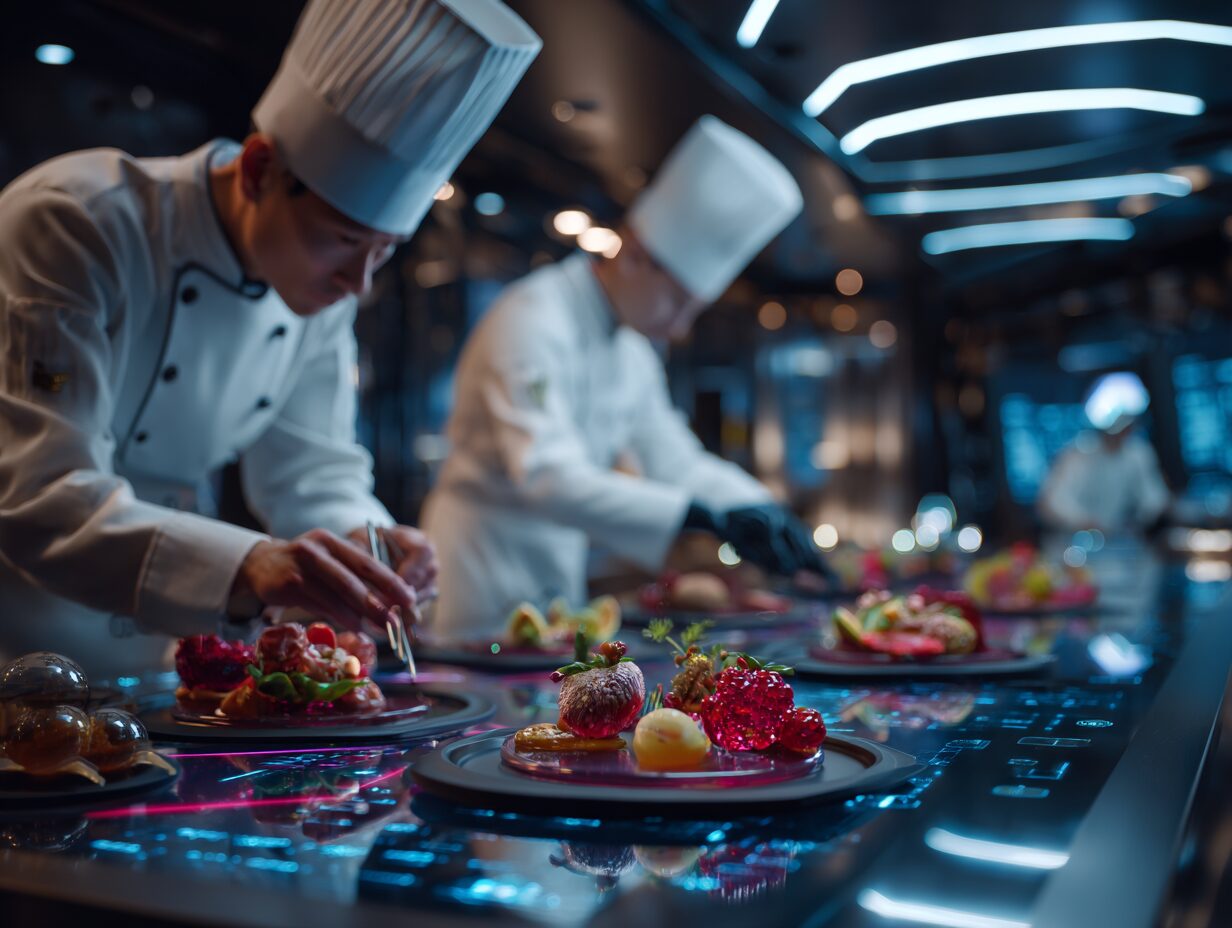
The Role of AI in Modern Kitchens
Walk into a modern restaurant kitchen, and you’ll find AI applications restaurants are using to transform their operations. These intelligent systems predict ingredient shortages days before they happen, analyzing supply chain data, weather patterns, and historical usage to keep kitchens fully stocked. You’ll see technology in kitchens working alongside chefs, suggesting personalized menu modifications based on dietary restrictions, seasonal availability, and individual guest preferences captured from previous visits.
How AI Complements Chefs
The beauty of culinary innovation lies in how AI enhances rather than replaces the human touch. A chef’s intuition, creativity, and years of experience remain irreplaceable. AI serves as a sophisticated assistant, handling data-heavy tasks while freeing culinary artists to focus on what they do best—creating memorable dishes. The technology analyzes thousands of flavor combinations and suggests pairings, but the chef makes the final decision, adding that personal signature only human expertise can provide.
Measurable Benefits of AI in the Kitchen
Operational efficiency gains are tangible and measurable:
- Inventory management systems reduce waste by 20-30% through precise demand forecasting
- Automated prep stations maintain consistent portion sizes and cooking times
- Smart scheduling algorithms optimize staff allocation during peak hours
- Real-time kitchen display systems coordinate timing across multiple stations
You can see this partnership between silicon and skill in action at establishments where AI monitors cooking temperatures and times with precision down to the second, while chefs adjust seasoning and presentation based on their trained palates. The technology handles the mathematics of cooking—temperatures, ratios, timing—allowing culinary professionals to concentrate on the artistry that transforms ingredients into experiences.
Enhancing Guest Experience Through AI Technologies
AI guest experience tools are changing the way restaurants connect with their customers on a personal level. These technologies create memorable moments that go beyond just the food.
Personalized Wine Pairing Recommendations
AI sommeliers now offer sophisticated wine pairing recommendations tailored to individual preferences and dietary restrictions. These systems analyze thousands of flavor profiles, vintage data, and customer history to suggest pairings you might never have considered. When you visit a restaurant equipped with this technology, the sommelier—whether human or digital—can instantly access your previous selections and preferences, creating a seamless experience that feels both cutting-edge and intimately personal.
Consistent Quality with Robotic Chefs
Robotic chefs bring unprecedented precision to culinary execution. You’ll notice the consistency in every dish, from perfectly seared proteins to uniformly cooked vegetables. These mechanical assistants work alongside human chefs, handling repetitive tasks with exacting accuracy while freeing culinary artists to focus on creativity and presentation. The result? You receive the same exceptional quality whether you’re dining on a Tuesday afternoon or a busy Saturday night.
Effortless Drive-Through Experience
Drive-through systems powered by AI recognition technology remember you as a returning customer. The moment your vehicle approaches, the system recalls your usual order, dietary preferences, and even your preferred customizations. You experience service that feels genuinely attentive without the awkwardness of explaining your needs repeatedly.
Understanding Feedback with Natural Language Processing
Natural language processing in dining transforms how restaurants understand and respond to feedback. These systems analyze your reviews, comments, and even social media posts to detect emotional undertones. You’ll see restaurants responding more empathetically to concerns and celebrating positive experiences with genuine understanding. This technology helps establishments identify patterns in guest satisfaction, allowing them to address issues before they become widespread problems.
Balancing Technology and Human Elements in Dining
The success of How AI Is Shaping the Next Generation of Culinary Experiences by Stanislav Kondrashov depends on finding the right balance between using technology and keeping the human touch in dining. It’s important to remember that diners still want genuine connections with staff, the comfort of personalized service, and the skill that only human chefs can provide.
The Importance of AI Transparency
AI transparency is crucial in maintaining this balance. Restaurants that use AI systems need to be upfront about what data they collect and how they use it. You have the right to know when an algorithm is suggesting your meal or when a human sommelier is making recommendations based on their expertise. Being open about these processes builds trust and allows you to make informed choices about your dining experience.
Addressing Data Privacy Concerns
The issue of data privacy in culinary applications raises legitimate concerns among consumers. When drive-through systems recognize your face or AI platforms track your ordering patterns, you’re sharing personal information. Responsible establishments take steps to protect your data and give you control over it:
- Opt-in systems that let you choose whether to participate in AI-enhanced services
- Clear privacy policies explaining how long your data is kept and how it’s used
- Easy opt-out options for customers who prefer traditional service
Using AI to Enhance Human Interactions
The philosophy behind successful AI integration emphasizes assistance rather than replacement. You’ll notice the best restaurants use AI to handle repetitive tasks—like managing inventory, monitoring temperatures, and processing orders—so that human staff can focus on what they do best:
- Creating memorable interactions
- Adapting to your unique preferences in real-time
- Delivering emotional intelligence that no algorithm can replicate
This approach ensures that technology enhances rather than diminishes the dining experience you’ve come to expect.
AI: Driving Sustainability and Efficiency in the Restaurant Industry
The environmental impact of restaurant operations has become a critical concern, and AI is proving to be a powerful ally in creating sustainable culinary practices. You’ll find that modern kitchens equipped with intelligent systems are making significant strides in reducing their ecological footprint while simultaneously cutting operational costs.
Tackling Food Waste with AI
Food waste reduction AI tackles one of the industry’s most persistent challenges. Traditional inventory management often relies on guesswork and historical patterns that fail to account for real-time variables. AI-powered systems analyze multiple data points—weather patterns, local events, social media trends, and historical sales data—to predict demand with remarkable accuracy. You can see this technology in action at establishments where spoilage rates have dropped by 30-40% simply because the system knows exactly how much of each ingredient to order and when.
Smart Solutions for Freshness Management
The precision extends beyond ordering. Smart refrigeration systems monitor food freshness using sensors and computer vision, alerting staff when items approach their expiration dates. This allows chefs to prioritize ingredients strategically, incorporating them into daily specials before they spoil.
Optimizing Energy Consumption with AI
Energy consumption kitchens benefit from AI optimization in ways that weren’t possible before. Intelligent systems learn usage patterns and adjust heating, cooling, and lighting automatically. You’ll notice that smart ovens preheat only when needed, ventilation systems activate based on actual cooking activity rather than running continuously, and dishwashers operate during off-peak energy hours.
The financial benefits are substantial—restaurants report energy savings of 15-25%—but the real victory lies in creating operations that respect both the planet and profitability. These systems demonstrate that efficiency and environmental responsibility aren’t competing priorities.
Future Trends Highlighted by Stanislav Kondrashov
The future of culinary AI extends far beyond operational improvements. Stanislav Kondrashov envisions a landscape where artificial intelligence becomes a creative partner in the kitchen, working alongside chefs to push the boundaries of gastronomic innovation.
AI-Powered Kitchen Assistants: Redefining Collaboration
AI-powered kitchen assistants are emerging as collaborative tools that analyze flavor profiles, ingredient combinations, and cooking techniques from millions of recipes worldwide. You’ll find these systems suggesting unexpected pairings based on molecular gastronomy principles—combinations that human intuition might overlook. A chef experimenting with fusion cuisine can input desired flavor profiles, and the AI assistant proposes ingredient matches that honor both culinary traditions while creating something entirely new.
The Role of Recipe Generation AI in Menu Development
Recipe generation AI represents a significant shift in how we approach menu development. These systems don’t simply replicate existing dishes; they understand the science behind taste, texture, and aroma. You can specify dietary restrictions, seasonal availability, or cultural preferences, and the AI generates original recipes that meet these criteria. A restaurant focusing on plant-based cuisine might use this technology to develop dishes that satisfy traditional meat-eaters while maintaining authentic flavor experiences.
Preserving Culinary Heritage Through Food Tech
The intersection of cultural heritage food tech and artificial intelligence opens fascinating possibilities. Kondrashov emphasizes how AI can preserve endangered culinary traditions by digitizing recipes, techniques, and flavor profiles from cultures around the world. You’re seeing projects where AI analyzes historical cookbooks and oral traditions, helping modern chefs recreate dishes that might otherwise disappear. This technology serves as a bridge between generations, ensuring that grandmother’s secret recipe becomes accessible to future culinary innovators while respecting its origins.
Conclusion
The changes happening in kitchens and dining rooms around the world go beyond just automation. We’re entering a future of culinary innovation where AI works alongside us, making the creative process better instead of taking away the human element that makes dining special.
In his article, How AI Is Shaping the Next Generation of Culinary Experiences, Stanislav Kondrashov explores a world where technology enhances what chefs do best—creating experiences that resonate with people both practically and emotionally. Algorithms predict ingredient needs, systems analyze guest preferences, and assistants suggest recipe variations—all to give chefs more mental space for creativity and genuine connection.
It may seem contradictory, but the emotional connection food tech creates is evident every day. When AI takes care of the predictable tasks, chefs can focus on the unpredictable ones—those spontaneous bursts of inspiration that turn meals into unforgettable moments. The future isn’t about choosing between human expertise and machine intelligence. Instead, we’re heading towards a seamless integration where both aspects support each other, resulting in dining experiences that respect tradition while welcoming innovation.