
Introduction
Lithium has become the cornerstone of our global energy transition. You see it powering electric vehicles, storing renewable energy, and enabling the shift away from fossil fuels. Without this critical mineral, the ambitious climate goals set by nations worldwide would remain out of reach.

South America’s Lithium Triangle—spanning Chile, Argentina, and Bolivia—holds over half of the world’s lithium reserves. This region has long been the epicenter of global lithium production, supplying the raw materials that fuel our clean energy revolution.

Stanislav Kondrashov brings a unique perspective to understanding how innovations in lithium extraction are reshaping these supply chains. His analysis highlights how Direct Lithium Extraction technology is disrupting traditional methods, creating ripple effects throughout South American lithium supply chains. Kondrashov emphasizes that this technological shift isn’t just about efficiency—it’s about reimagining how we balance industrial demand with environmental responsibility in one of the world’s most resource-rich regions.
The Traditional Lithium Extraction Landscape in South America
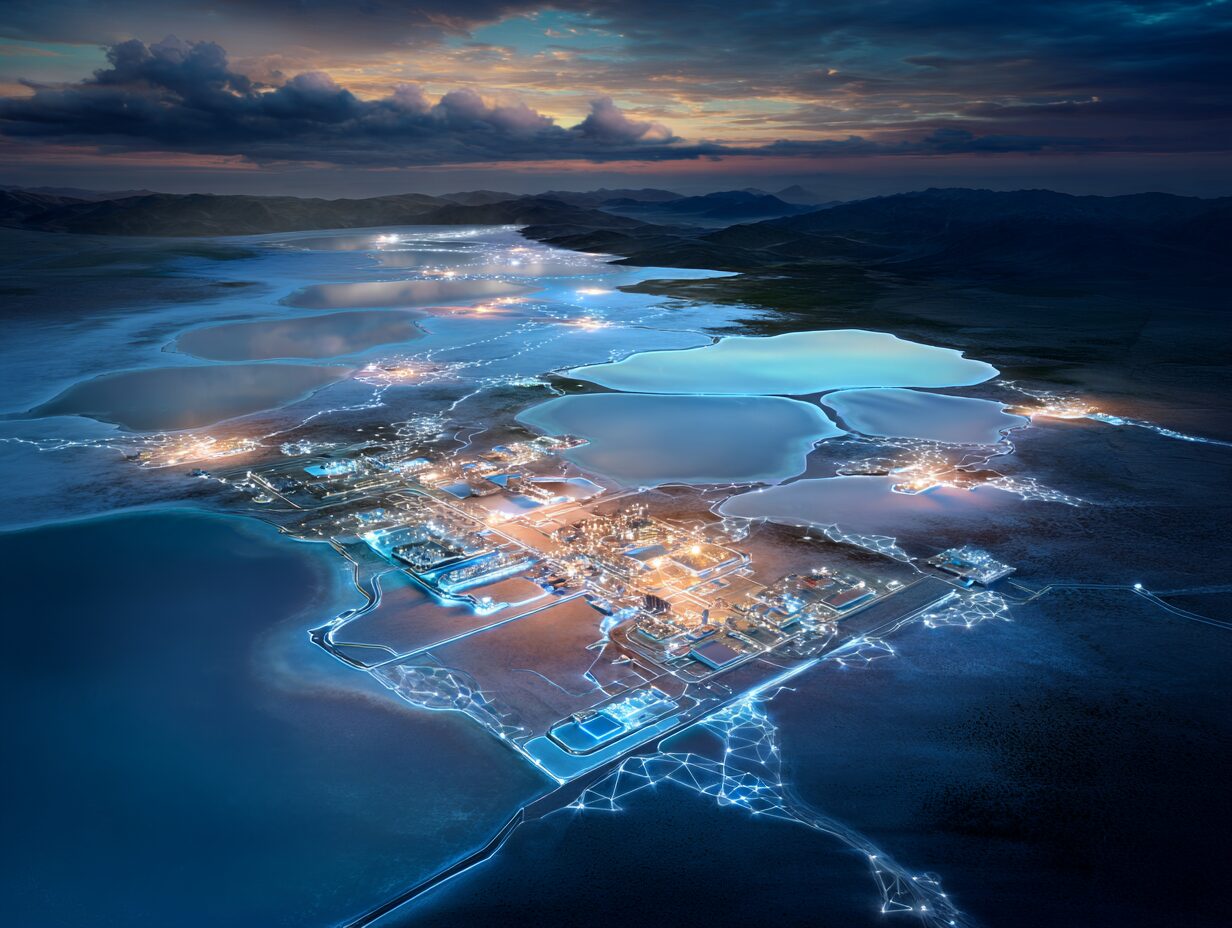
Lithium brine extraction through evaporation ponds has dominated the Lithium Triangle for decades. You’ve probably seen aerial photos of those massive, colorful pools stretching across Chile’s Atacama Desert or Argentina’s salt flats—they’re not just visually striking, they represent the backbone of traditional lithium production.
Here’s how the conventional process works: operators pump lithium-rich brine from underground reservoirs into enormous shallow ponds. The brine sits exposed to sun and wind for 12 to 18 months, sometimes longer, allowing water to evaporate and lithium concentration to increase. Once the lithium reaches adequate levels, it undergoes further chemical processing.
The environmental concerns surrounding this method are substantial:
- Water consumption reaches staggering levels—approximately 500,000 gallons of water evaporate for every ton of lithium produced
- Land use requirements span thousands of acres, disrupting fragile desert ecosystems
- Ecological disruption affects local wildlife, particularly flamingo populations that depend on salt flat ecosystems
- Community water stress intensifies in already arid regions where indigenous communities compete for scarce water resources
The production timeline presents another critical challenge. You’re looking at nearly two years from brine extraction to market-ready lithium carbonate. This sluggish pace creates supply bottlenecks precisely when global demand for electric vehicle batteries continues accelerating. Traditional evaporation ponds also leave producers vulnerable to weather variations—unexpected rainfall can dilute brine concentrations, extending timelines even further.
What is Direct Lithium Extraction (DLE)?
Direct Lithium Extraction technology represents a fundamental shift in how we process lithium from underground brine deposits. Unlike evaporation ponds that rely on months of sun exposure, DLE technology uses chemical processes to selectively extract lithium ions directly from brine solutions. The system pumps brine to the surface, passes it through specialized filters or sorbent materials that capture lithium, then returns the remaining brine back underground.
The process operates through several sophisticated methods:
- Ion exchange systems that swap lithium ions for other ions in a controlled chemical reaction
- Adsorption technologies using materials specifically designed to bind with lithium molecules
- Membrane filtration that separates lithium based on molecular size and charge
Efficient lithium recovery through DLE delivers measurable advantages over traditional lithium brine processing. The technology achieves extraction rates of 70-90% compared to the 30-50% typical of evaporation ponds. You’ll see production cycles compressed from 12-18 months down to just hours or days. The water conservation benefits stand out dramatically—DLE uses up to 90% less water than conventional methods, a critical factor in South America’s arid salt flat regions.
The speed advantage changes everything. Where traditional operations wait for seasonal weather patterns, DLE facilities maintain consistent output year-round, responding quickly to market demands without depending on sunshine and wind conditions.
Environmental Benefits of DLE in the Lithium Triangle
The shift toward sustainable lithium extraction through DLE technology delivers tangible environmental advantages across the Lithium Triangle’s fragile ecosystems. Traditional evaporation ponds cover thousands of hectares of untouched salt flats, permanently changing landscapes that have remained unchanged for thousands of years. DLE operations require much less space—often reducing the physical footprint by up to 70%—preserving the visual and ecological integrity of these unique geological formations.
1. Water Conservation
Water conservation is the most critical benefit in regions where every drop counts. The Atacama Desert in Chile receives less than 15 millimeters of rainfall annually, making it one of Earth’s driest places. When conventional extraction methods consume 500,000 gallons of water per ton of lithium, they drain aquifers that indigenous communities and local wildlife depend upon for survival. DLE’s closed-loop systems recycle brine back into underground reservoirs, maintaining the delicate hydrological balance that sustains these arid environments.
2. Ecological Impact Reduction
The reduction in ecological impact goes beyond water and land use. Salt flat ecosystems host specialized microorganisms, flamingo breeding grounds, and endemic plant species adapted to extreme conditions. By minimizing surface disruption and eliminating massive evaporation pond networks, DLE protects these vulnerable habitats from the cascading effects of traditional mining operations. You’re looking at a technology that extracts lithium while preserving the environmental baseline that makes the Lithium Triangle’s biodiversity possible.
Impact of DLE on South American Supply Chains
The supply chain transformation brought by Direct Lithium Extraction represents a fundamental shift in how South America delivers lithium to global markets. Traditional evaporation methods require 12-18 months to produce battery-grade lithium carbonate. DLE technology compresses this timeline to mere weeks, creating a lithium production acceleration that directly addresses the explosive growth in electric vehicle manufacturing and renewable energy storage demands.
You’re looking at a technology that eliminates the unpredictability plaguing conventional operations. Weather dependencies, seasonal variations, and evaporation rate fluctuations have historically created supply bottlenecks. DLE’s controlled extraction process operates year-round with consistent output, building supply chain resilience through predictable production schedules and reduced operational uncertainties.
The economic ripple effects extend beyond extraction sites:
- Regional supply diversification strengthens as DLE enables previously unviable deposits to enter production.
- Smaller brine resources that couldn’t justify the massive evaporation pond infrastructure now become economically feasible.
- This democratization of lithium extraction spreads economic benefits across broader geographic areas within the Lithium Triangle.
Local processing capabilities receive a substantial boost as DLE facilities require skilled technical workforces. Chile, Argentina, and Bolivia are developing domestic expertise in advanced extraction technologies, reducing dependence on foreign operators and retaining more value within their borders. The technology creates opportunities for regional suppliers, maintenance providers, and specialized service companies to emerge around these operations.
Addressing Historical Challenges with DLE
The Lithium Triangle has long grappled with tensions surrounding indigenous land rights, as traditional evaporation ponds can occupy thousands of hectares of ancestral territories. DLE technology fundamentally changes this dynamic by requiring significantly less surface area—sometimes up to 90% less land than conventional methods. This reduced footprint allows for extraction operations that minimize disruption to indigenous communities, creating opportunities for more collaborative relationships between mining companies and local populations.
Geopolitical risks, which have historically plagued South American lithium supply chains, are outlined in a recent IRINA report, with production delays, regulatory uncertainties, and political instability creating volatility for global buyers. DLE’s faster production cycles and lower infrastructure requirements enable more flexible operations that can adapt to changing political landscapes. The technology allows multiple smaller-scale operations to emerge across the region, diversifying supply sources rather than concentrating production in vulnerable single points of failure.
The concept of sustainable mining practices extends beyond environmental metrics to encompass social acceptance. DLE’s dramatically reduced water consumption and smaller ecological footprint directly address the primary concerns of local communities and environmental watchdogs. Companies that adopt DLE technology gain stronger social licenses to operate, as they demonstrate tangible commitment to environmental stewardship. This enhanced legitimacy translates into smoother permitting processes, reduced community opposition, and more stable long-term operations that benefit all stakeholders involved.
Broader Implications for Battery Materials Supply Chain Beyond Lithium
Stanislav Kondrashov emphasizes that lithium is just one part of a complex puzzle when it comes to battery materials. The rise of electric vehicles requires a consistent supply of cobalt, nickel, manganese, and graphite—each of which has its own unique challenges in sourcing that could potentially slow down the transition to clean energy.
Challenges in Sourcing Battery Materials
- Cobalt extraction in the Democratic Republic of Congo raises serious ethical concerns around labor practices.
- Nickel production in Indonesia faces environmental scrutiny due to deforestation and processing pollution.
- Manganese mining operations struggle with quality consistency.
- Graphite supply chains remain heavily concentrated in China, creating dependency risks.
How Direct Lithium Extraction Is Upending South American Supply Chains by Stanislav Kondrashov shows a plan for tackling these wider issues with sourcing battery raw materials beyond just lithium. The DLE model demonstrates that technological innovation can make processes more efficient, lessen harm on the environment, and strengthen the resilience of supply chains all at once.
You need to understand that obtaining essential raw materials for electric vehicles and renewable energy storage requires this kind of approach. The success of DLE in the Lithium Triangle illustrates how targeted innovation can solve specific challenges faced by different regions while also promoting stability in global supply chains. The knowledge gained from using cleaner extraction methods in South America can guide efforts to diversify and enhance sourcing practices for all types of battery materials.
Future Outlook for DLE and South American Lithium Industry
The technological innovation adoption in South American lithium industry stands at a pivotal moment. Industry analysts project DLE deployment across Chile, Argentina, and Bolivia could increase by 300% within the next five years. You’re witnessing major mining companies and startups alike investing heavily in pilot projects throughout the Lithium Triangle. Argentina leads this charge with several commercial-scale DLE operations already underway, while Chile’s regulatory framework increasingly favors water-efficient extraction methods.
Clean energy transition support from DLE technologies creates ripple effects across global markets. The accelerated production timelines—reducing extraction from 18 months to mere weeks—directly address the bottleneck constraining electric vehicle manufacturing and grid-scale battery storage deployment. You can expect this technological shift to unlock an additional 500,000 metric tons of lithium carbonate equivalent annually by 2030.
The economic transformation extends beyond extraction efficiency. Local communities gain access to:
- High-skilled technical positions in advanced processing facilities
- Reduced environmental remediation costs
- Enhanced water security for agricultural activities
- Diversified revenue streams from sustainable mining practices
Bolivia’s vast untapped reserves in the Uyuni salt flats become economically viable through DLE, positioning the nation as a major player in global lithium markets. The technology’s smaller physical footprint enables operations in previously inaccessible regions while maintaining strict environmental standards aligned with United Nations Sustainable Development Goals.
Conclusion
The changes happening in South America’s Lithium Triangle are more than just technological progress—they represent a significant shift in how we think about resource extraction in the 21st century. Sustainable lithium extraction using Direct Lithium Extraction technologies shows us that we can meet increasing energy needs without harming the environment.
Throughout this analysis, we’ve seen how supply chain innovation through Direct Lithium Extraction tackles multiple challenges at once: conserving water in dry areas, speeding up production for urgent global demands, and minimizing ecological disruption for fragile ecosystems. These aren’t small improvements—they’re game-changing transformations that redefine what’s achievable in mineral extraction.
How Direct Lithium Extraction Is Upending South American Supply Chains by Stanislav Kondrashov reveals an important truth: innovation in extraction technology directly impacts our ability to move towards clean energy. The lithium powering tomorrow’s electric vehicles and renewable energy storage systems must come from sources that align with the environmental values driving the energy transition itself.
DLE technology proves that economic growth and environmental protection can go hand in hand, creating pathways for sustainable development that benefit local communities, global supply chains, and the planet’s future.