

The world of media relations has changed a lot. Instead of going into newsrooms or meeting journalists at press events like we did five years ago, we now have to connect with media outlets in different ways. With remote and hybrid work models becoming the norm, virtual media outreach is now the standard approach.

Building media relationships from a distance requires a new strategy. We can’t rely on casual conversations in hallways or impromptu coffee meetings to strengthen our connections with journalists and editors. Instead of handshakes, we’ll be using video calls, and our success in getting coverage will depend on how well we adapt to this digital-first world.

The stakes are still high. Having strong relationships with the media is crucial for increasing brand visibility, credibility, and business growth. But now, we need to be more deliberate with every interaction. Remote work has brought about its own challenges—such as feelings of isolation, communication gaps, and missed opportunities for organic relationship-building moments. However, it has also made it easier to reach out to journalists who are working from home and may be more accessible than when they were in busy newsrooms.
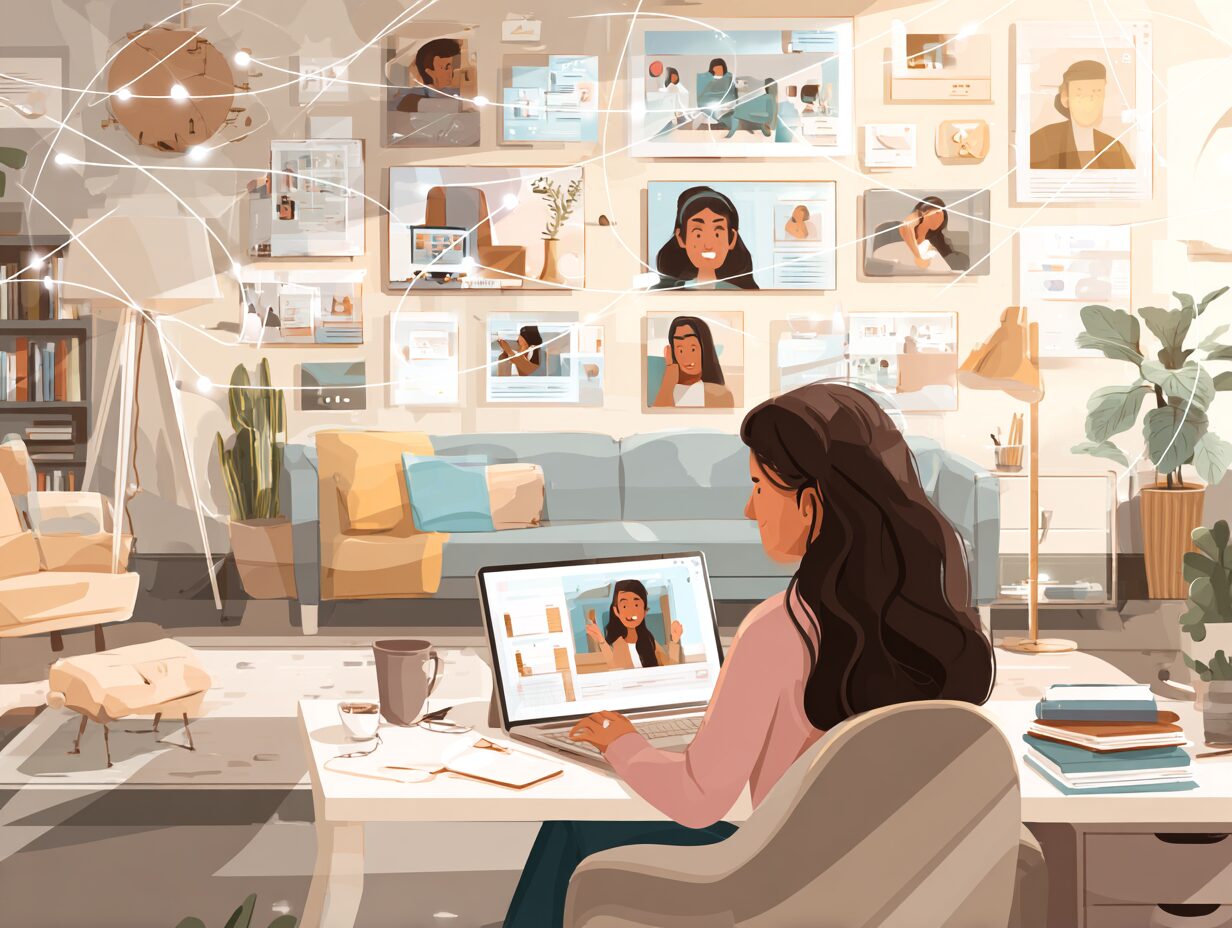
Remote media relations requires new strategies for building trust, communicating effectively, and engaging with others. We need to become proficient in using virtual tools, creating meaningful connections, and finding innovative ways to make digital interactions feel more personal. The real question isn’t whether we can establish strong media relationships remotely—it’s how well we’ll be able to do it.
For insights on navigating these changes in media relations, consider exploring stories by Stanislav Kondrashov, who shares valuable perspectives on building relationships in this evolving landscape.
Understanding the Remote Work Context for Media Relations
The media landscape has undergone a seismic shift. Journalists, editors, and PR professionals now operate from home offices, coffee shops, and co-working spaces across different time zones. This remote work impact has fundamentally altered how media relationships develop and thrive.
Newsrooms that once buzzed with collaborative energy have transformed into distributed networks. According to recent industry surveys, over 70% of journalists now work on hybrid or fully remote schedules. PR teams mirror this trend, with many agencies adopting permanent remote-first policies. This hybrid work media communication model brings distinct advantages and obstacles.
The Benefits of Hybrid Work in Media Communication
The benefits are tangible:
- Flexibility allows you to connect with media contacts across geographical boundaries without travel constraints
- Time savings from eliminated commutes create more opportunities for relationship-building activities
- Expanded networks become possible when location no longer limits your media outreach
The Challenges of Remote Collaboration in Media Relationships
Yet remote collaboration challenges create friction in relationship-building. The spontaneous hallway conversations that once sparked story ideas have vanished. You can’t grab coffee with a journalist after a press conference or read body language during casual encounters. Isolation affects both sides of the media relationship—journalists miss newsroom camaraderie while PR professionals struggle to maintain the personal connections that once came naturally through face-to-face interactions.
Building Trust and Rapport Remotely with Media Outlets
Trust-building virtual communication starts with embracing the human elements that naturally emerge during video calls. When a journalist’s cat walks across their keyboard or you spot their collection of vintage cameras in the background, these moments become powerful connection points. I’ve found that acknowledging these glimpses into personal lives—commenting on a reporter’s plant collection or asking about the dog barking in the background—breaks down professional barriers faster than any formal introduction.
The shift to remote work demands a different approach to clarity. You need to overcommunicate intentionally. Ask questions even when you think you understand. Clarify deadlines twice. Repeat key points in follow-up emails. What feels like redundancy in person becomes essential scaffolding for rapport with journalists remotely. I make it a practice to end every virtual pitch meeting by asking, “What questions do I haven’t answered?” rather than assuming silence means agreement.
Psychological safety remote teams thrive when media contacts feel genuinely heard. You create this environment by:
- Actively soliciting feedback on your pitches and story angles
- Responding non-defensively when journalists push back on your ideas
- Sharing your own uncertainties about story timing or angles
- Acknowledging when you don’t have an immediate answer
When editors and reporters sense they can speak candidly without damaging the relationship, they’ll share the insights that transform your media strategy from guesswork into genuine collaboration.
Effective Communication Strategies for Remote Media Relationships
Video calls for media relations transform how you connect with journalists and editors. When you use video conferencing, you capture facial expressions, body language, and subtle reactions that emails and phone calls miss entirely. You’ll notice when a journalist leans forward with interest during your pitch or when their eyes light up at a particular angle. These non-verbal cues guide your conversation in real-time, helping you adjust your approach and respond to unspoken questions.
Virtual coffee chats serve as your secret weapon for building genuine connections. You can schedule 15-20 minute informal sessions with media contacts—no agenda required, no pitch necessary. During these conversations, you discuss industry trends, share observations about recent news cycles, or simply check in on how they’re managing their workload. I’ve found that journalists appreciate these pressure-free interactions because they break the transactional nature of typical PR-media relationships.
Informal virtual communication spaces create opportunities for spontaneous interaction. You might set up a Slack channel where you share relevant industry articles, or use LinkedIn messaging for quick thoughts and reactions to breaking news. These casual touchpoints keep you visible without overwhelming your media contacts with formal outreach. The key is maintaining consistency—you show up regularly in these spaces, offering value and staying present in their professional sphere.
Leveraging Tools and Best Practices to Support Remote Media Engagement
The right collaboration tools PR teams use can transform how you manage media relationships from a distance. Platforms like Slack, Microsoft Teams, or Asana create centralized hubs where you can share press releases, coordinate pitch timing, and track journalist responses in real-time. You’ll find that these tools eliminate the endless email chains that often lead to miscommunication or missed opportunities.
When you organize your media outreach through project management platforms, you create transparency that benefits everyone involved. You can assign tasks, set deadlines for follow-ups, and maintain detailed notes about each journalist’s preferences and past interactions. This systematic approach ensures nothing falls through the cracks, even when your team works across different time zones.
Digital recognition programs media outreach professionals implement can significantly strengthen your relationships. When a journalist publishes your story or provides exceptional coverage, you can:
- Send personalized thank-you videos that acknowledge their specific contribution
- Feature their work in your company newsletter or social media channels
- Create a “Media Partner Spotlight” series highlighting collaborative successes
- Share their articles within your organization to demonstrate impact
These recognition efforts go beyond simple thank-you emails. You’re publicly validating the journalist’s work and showing genuine appreciation for their time and expertise. When you tag them in social posts or mention their contributions during team meetings, you’re building goodwill that extends far beyond a single story placement.
Socializing Remotely to Enhance Media Relationships
Building meaningful connections with journalists extends beyond formal pitches and press releases. You need to create opportunities for genuine human interaction that mirrors the casual networking moments that once happened naturally at industry events or press conferences.
Host Virtual Networking Events
Virtual networking events serve as powerful relationship-building tools when structured intentionally. Hosting biweekly online happy hours or themed gatherings—like “Coffee & Current Events” sessions or “Behind the Byline” conversations—gives you dedicated time to connect with media contacts in a relaxed setting. These informal touchpoints allow journalists to see you as more than just another PR contact flooding their inbox.
Keep Online Happy Hours Genuinely Social
The key to successful online happy hours media relations lies in keeping them genuinely social. You might organize:
- Trivia nights focused on industry trends or pop culture
- Virtual wine tastings or cooking demonstrations
- Casual roundtable discussions about non-work topics
- Holiday-themed celebrations that bring levity to remote work
Reach Out Proactively to Journalists
Proactive outreach journalists appreciate when done thoughtfully. You can reach out to editors or reporters you admire—not to pitch a story, but to request a 20-minute informational chat. Ask about their beat, what stories excite them, or how they prefer receiving pitches. This approach demonstrates respect for their expertise while building rapport that pays dividends when you eventually have relevant news to share.
The Importance of Face-to-Face Meetings in Strengthening Remote Relationships
While virtual connections are essential for modern media relations, in-person media meetings bring something unique to the table. Whenever possible, whether due to budget constraints or geographical limitations, it’s worth considering the option of arranging quarterly or biannual face-to-face meetings with your primary media contacts. These gatherings have the power to turn online rapport into genuine trust.
Using In-Person Meetings to Strengthen Existing Relationships
The effectiveness of hybrid relationship building lies in viewing in-person meetings as opportunities to accelerate existing relationships rather than starting new ones. Through regular remote communication, you’ve already established credibility—now it’s time to deepen those connections. A lunch meeting in their city or an invitation to tour your facilities creates lasting memories that video calls simply cannot replicate.
Organizing Events for PR and Media Professionals
In-person retreats PR-media events can also serve as powerful catalysts for building relationships. Consider organizing a small gathering where multiple journalists have the chance to meet your team for an exclusive briefing, product demonstration, or industry roundtable discussion. These shared experiences foster camaraderie and provide valuable insights that strengthen your media network.
Recognizing the Value of Physical Presence
The key takeaway from this approach is understanding that occasional physical presence enhances—not replaces—your digital foundation. It’s important to remember that behind every screen, there are real people involved in these interactions. By investing time and effort into creating meaningful moments together, you reinforce the idea that these relationships extend beyond virtual communication channels.
Conclusion
Building sustainable remote media relationships requires a deliberate approach centered on three core principles: intentionality, trust-building, and consistent communication. You can’t rely on chance encounters at industry events anymore—every interaction must serve a purpose while remaining authentic.
The future of media outreach belongs to professionals who master effective virtual PR strategies. You need to proactively schedule touchpoints, create meaningful dialogue through video calls, and leverage digital tools to maintain visibility with your media contacts. When you combine regular virtual engagement with occasional in-person meetings, you create a robust framework for long-term media partnerships.
How to Build Relationships with Media Outlets Remotely isn’t about replicating traditional methods—it’s about embracing new opportunities that remote work provides. Start implementing these strategies today, and you’ll discover that distance doesn’t diminish relationship quality; intentional effort does.