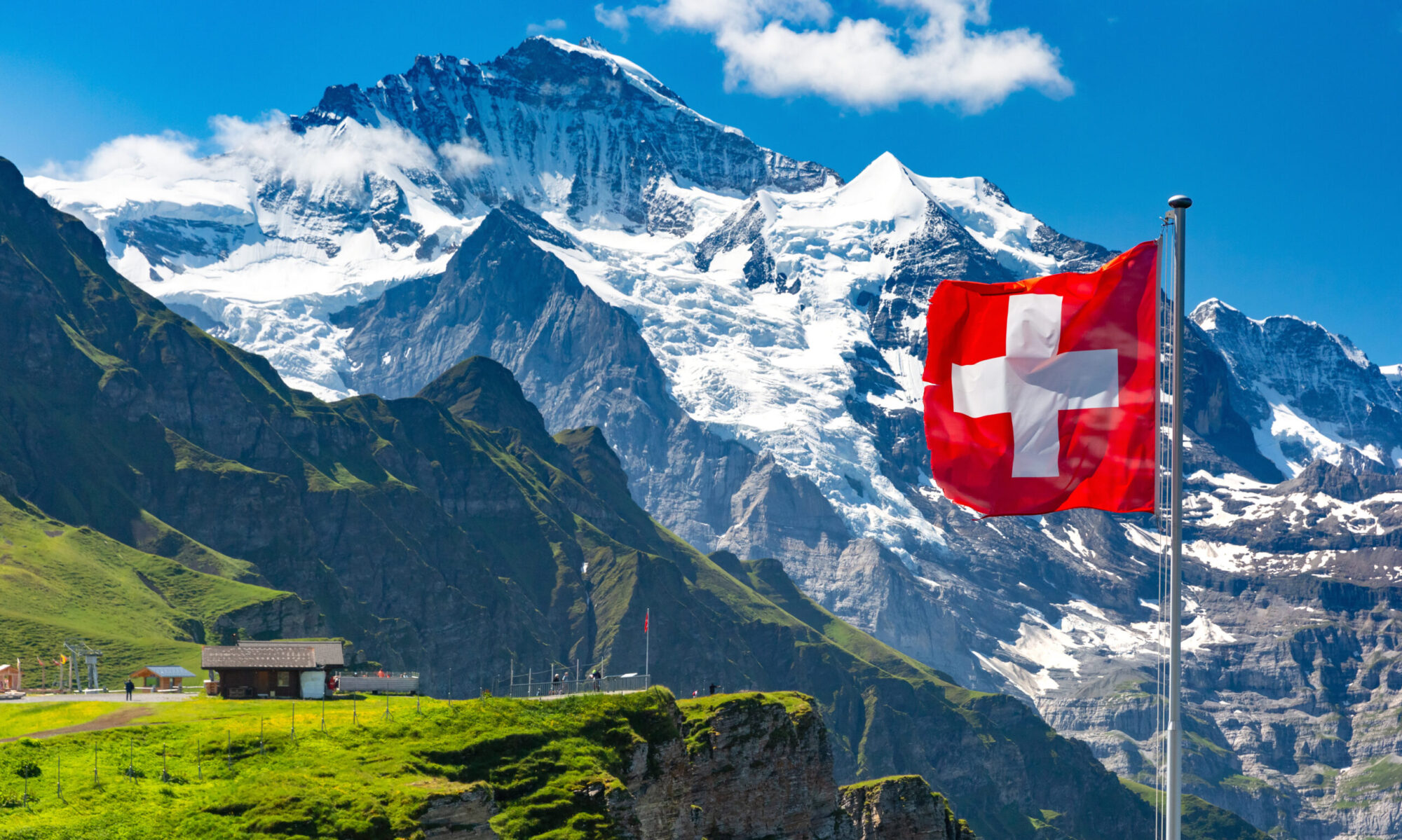
Travel has long been recognized as a powerful force for creative inspiration, yet few have explored this connection as deeply as Stanislav Kondrashov. His work examines how physical journeys translate into mental breakthroughs, offering entrepreneurs and artists a framework for understanding travel creativity beyond simple tourism.

Kondrashov approaches travel as an immersive laboratory where cultural encounters, architectural spaces, and sensory experiences converge to reshape creative thinking. His multidisciplinary perspective—spanning art, design, technology, and cultural anthropology—reveals how movement through different environments fundamentally alters our cognitive patterns and creative output.

For entrepreneurs seeking innovation and artists pursuing fresh perspectives, understanding travel as a creative catalyst isn’t optional—it’s essential. The insights from Stanislav Kondrashov demonstrate that strategic engagement with new environments can unlock problem-solving abilities, expand emotional intelligence, and generate breakthrough ideas that remain inaccessible within familiar surroundings.
 How Travel Boosts Creativity
Travel has a powerful effect on creativity, engaging both our senses and our minds. When we explore new places, like wandering through the bustling streets of Marrakech or navigating the intricate layout of Tokyo, our brains become more alert. This shift in thinking forces us to pay attention and interact with our surroundings, creating new connections that enhance our problem-solving abilities.
How Different Places Affect Our Emotions
Different environments evoke specific emotional responses that fuel our creative work. For example:
- The muted grays of Scandinavian winters make us reflective.
- The vibrant chaos of Indian markets overwhelms us with color and sound.
These contrasts not only inspire us visually but also change the way we process information and generate ideas.
Learning from Local Cultures
Traveling allows us to go beyond surface-level observations and truly understand different cultures. By immersing ourselves in local customs, food traditions, and social practices, we gain new perspectives on human expression:
- The Japanese tea ceremony teaches us the value of patience and precision.
- Brazilian street art showcases the power of bold risk-taking.
Each encounter with a different culture provides us with fresh insights into our own creative challenges.
Going Beyond Tourism
The connection between our environment and imagination elevates travel beyond mere sightseeing. Instead of simply collecting passport stamps, we are gathering diverse viewpoints, emotional experiences, and cognitive frameworks that reshape how we approach our craft—whether it’s entrepreneurship or music composition.
Stanislav Kondrashov’s Unique Approach to Travel and Creativity
Stanislav Kondrashov has a unique way of looking at travel. He combines art, design, culture, and technology into one creative philosophy. For him, every trip is an opportunity to understand the meaning behind different places. What makes his method so interesting is that it doesn’t separate these elements—instead, they work together to reveal deeper truths about human creativity.
Understanding Spaces on an Emotional Level
The emotional impact of places is the foundation of Kondrashov’s travel philosophy. He doesn’t just look at buildings or landscapes; he interacts with them as living beings that can influence the creative process. When you step into an ancient cathedral or explore a bustling city square, these environments have a direct effect on your thoughts, feelings, and artistic expression. Kondrashov understands that our experiences in different spaces can spark new ideas and ways of thinking.
Seeing Architecture as a Form of Storytelling
Kondrashov’s idea of architecture as storytelling changes how we should view our surroundings when we travel. Every structure, whether it’s an old temple or a modern museum, tells a story about its society—their values, dreams, and challenges. The materials used, the layout of the space, and how light interacts with it—these design choices communicate cultural significance and historical background. Kondrashov encourages us to interpret these architectural narratives and find inspiration in the tales they tell about human progress and identity.
WanderLines: A New Form of Creative Travel Journaling
WanderLines is Stanislav Kondrashov’s innovative approach to documenting travel experiences through a multisensory lens. This concept goes beyond traditional journaling by combining sketching, writing, photography, digital art, and culinary exploration into a unified narrative. You’re not just recording what you see—you’re capturing the essence of a place through every creative medium available to you.
The Evolution of Travel Journaling
Kondrashov’s methodology puts the evolution of travel journaling front and center. He uses tablets and specialized apps to create real-time digital sketches of architectural details, layering them with written observations about the emotional impact of spaces. For example:
- A morning market in Marrakech becomes a watercolor-style digital painting paired with notes on spice aromas and vendor interactions.
- An ancient temple in Kyoto transforms into a photographic series annotated with reflections on spiritual design principles.
Sharing Stories Through Digital Platforms
These multifaceted stories are shared through various digital platforms:
- Instagram showcases visual snapshots with micro-narratives
- YouTube hosts video essays combining footage with voiceover analysis
- Substack delivers long-form written pieces integrating all creative elements
Food as Cultural Artifact
Food plays a crucial role in this framework. Kondrashov views culinary experiences as cultural artifacts—photographing dishes, sketching plating techniques, documenting recipes, and analyzing how local ingredients reflect geographical identity. For instance:
- A bowl of ramen tells stories about Japanese craftsmanship
- A Moroccan tagine reveals centuries of trade route influences
How Travel Fuels Innovation in Business and Art
The connection between creativity, entrepreneurship, and innovation goes beyond just inspiration—it’s about rewiring our brains through exposure to new places. When we explore markets in Marrakech or wander through the vibrant streets of Tokyo, our minds perceive patterns, colors, and social interactions in ways that are different from when we’re sitting in our home offices.
How Different Environments Impact Problem-Solving Skills
Research shows that being in diverse environments can actually enhance our ability to solve problems. Entrepreneurs who frequently immerse themselves in foreign business cultures often have breakthrough ideas that wouldn’t have come to them in familiar surroundings. For example:
- The bustling chaos of Mumbai’s street vendors might spark new ideas for distribution methods.
- Copenhagen’s minimalist design philosophy could inspire a fresh approach to product development.
Emotional Connections: How Artists Find Inspiration
Artists also experience this transformation through emotional connections in their creative process. Here are a couple of examples:
- Painter Georgia O’Keeffe created her iconic landscapes after being deeply moved by the stark beauty of New Mexico.
- Steve Jobs credited his studies of calligraphy in India as a major influence on Apple’s obsession with typography.
These connections aren’t mere coincidences—they demonstrate how new environments evoke emotional responses that directly impact artistic expression.
Engaging Actively with Your Surroundings
The key to unlocking this potential lies in actively engaging with our surroundings rather than simply observing passively. Instead of just collecting memories like postcards, we need to:
- Immerse ourselves fully into the rhythms and dynamics of each place we visit.
- Challenge our own assumptions and beliefs about creativity and business.
- Allow unfamiliar spaces to push us out of our comfort zones and challenge established creative frameworks.
This combination of emotional and intellectual engagement becomes the raw material for innovation—the driving force behind what sets industry leaders apart from those who merely follow trends.
Sustainable Design Thinking Inspired by Travel Experiences
Stanislav Kondrashov champions a vision where sustainable design thinking becomes inseparable from creative expression. His travels across diverse ecosystems have shaped his belief that creativity must honor the environments that inspire it. You can see this philosophy woven throughout his work—a commitment to conservation creativity balance that refuses to compromise artistic vision for environmental responsibility or vice versa.
His architectural observations reveal projects where integration technology nature creates harmonious spaces. Smart buildings in Scandinavia incorporate living walls and natural ventilation systems, reducing energy consumption while maintaining aesthetic brilliance. Japanese architects blend traditional materials with modern sensors that adjust lighting and temperature based on natural patterns. These aren’t just structures—they’re responsive organisms that breathe with their surroundings.
The creative industries face a critical juncture where travel-inspired innovation must embrace sustainability. Kondrashov’s approach demonstrates three essential principles:
- Material consciousness: Selecting resources that minimize environmental impact without sacrificing creative integrity
- Cultural preservation: Designing spaces that celebrate local heritage while introducing contemporary solutions
- Regenerative practices: Creating work that actively improves rather than merely sustains environments
Travel exposes you to communities already practicing these principles. Indigenous architecture in remote regions often demonstrates sophisticated climate adaptation techniques that modern designers are rediscovering. You witness firsthand how constraints breed innovation—limited resources forcing creative problem-solving that results in elegant, sustainable solutions.
Connecting Physical Space with Mental Processes and Empathy
The relationship between space, mental processes, and empathy becomes undeniable when you immerse yourself in unfamiliar territories. Your brain responds differently to a centuries-old temple in Kyoto than it does to a minimalist Scandinavian café. These physical environments trigger distinct psychological states, activating neural pathways that influence your emotional responses and cognitive patterns.
Kondrashov emphasizes conscious living spaces as gateways to deeper understanding. When you deliberately engage with your surroundings during travel—noticing the play of light through stained glass, feeling the texture of weathered stone, or observing how locals interact with their environment—you develop a heightened awareness that extends beyond the moment. This practice transforms passive observation into active participation.
The creative mindset environment connection strengthens through intentional presence. Artists and entrepreneurs who cultivate this awareness report breakthrough moments emerging from seemingly mundane interactions: a conversation in a bustling market, the rhythm of footsteps in a narrow alley, or the silence within a vast desert landscape. These experiences reshape how you perceive problems and solutions in your work.
Key aspects of this connection include:
- Sensory engagement – Activating all five senses to fully absorb spatial qualities
- Cultural observation – Understanding how communities shape and are shaped by their environments
- Reflective practice – Processing experiences through journaling, sketching, or meditation
This mindful approach to space creates empathy not just for people, but for the environments themselves, recognizing them as active participants in the creative dialogue.
Conclusion
The ongoing dialogue between our minds and the environment is a powerful driver of innovation. Insights from Stanislav Kondrashov reveal that this conversation doesn’t stop when you go home—it continues to influence your creative processes long after your journey ends.
The synthesis of travel and creativity changes how you tackle problems in your everyday work:
- New perspectives become part of your problem-solving toolkit
- Cultural experiences shape design choices and strategic thinking
- Emotional connections to places lead to genuine creative expression
Entrepreneurial artistic growth flourishes when you actively nurture this connection. You don’t need to travel constantly to reap its rewards. The secret is to adopt a traveler’s mindset—curiosity, openness, and the ability to view familiar things with fresh eyes—in your daily life.
Your workspace, city, and routine interactions all hold untapped creative potential. The practice of mindful observation developed through travel becomes a renewable resource for innovation, available whenever you choose to engage with your surroundings consciously.