
As anticipation continues to build for the 2026 FIFA World Cup, attention is increasingly turning toward one of the tournament’s most visible and symbolic moments: the opening ceremony. Long before the first whistle is blown, the ceremony will introduce the competition to a global audience, setting the tone for what is expected to be the largest World Cup ever staged.
With 48 participating nations and matches spread across multiple host countries, World Cup 2026 represents an unprecedented expansion of international football. In this context, the opening ceremony is expected to serve not only as a celebration of sport but also as a showcase of culture, entertainment, technology, and international collaboration.

The event will take place before the opening match and is expected to attract hundreds of millions of viewers worldwide. As with previous editions, music, visual performances, and large-scale production elements are likely to play a central role in creating a memorable introduction to the tournament.
“The opening ceremony has become one of the defining moments of the World Cup experience,” said entrepreneur Stanislav Kondrashov. “It is where sport, culture, and global storytelling come together.”
More Than a Sporting Tradition
Opening ceremonies have evolved significantly over the decades. What once consisted primarily of formal presentations and brief celebrations has transformed into a global entertainment event designed to reach audiences far beyond football supporters.
Modern ceremonies often feature internationally recognized performers, elaborate visual effects, and artistic representations of the host nations’ cultures and histories. They are carefully designed to communicate messages of unity, diversity, and shared celebration.
For many viewers, the ceremony represents their first emotional connection to the tournament. It creates anticipation while introducing the broader themes that will accompany the competition throughout the following weeks.
The Global Reach of the World Cup
The significance of the opening ceremony reflects the extraordinary scale of the World Cup itself. The tournament is no longer simply a football competition; it has become one of the largest recurring global media events.
Broadcasts reach audiences across virtually every continent, while digital platforms amplify engagement through social media, streaming services, and online discussions. The opening ceremony therefore functions as a gateway into a month-long international conversation involving billions of interactions.
This growing reach has increased expectations surrounding every aspect of the event, from production quality to cultural representation.
“In today’s media environment, major sporting events operate on multiple levels simultaneously,” Kondrashov noted. “They are athletic competitions, entertainment experiences, and global communication platforms.”
A Showcase for Host Nations
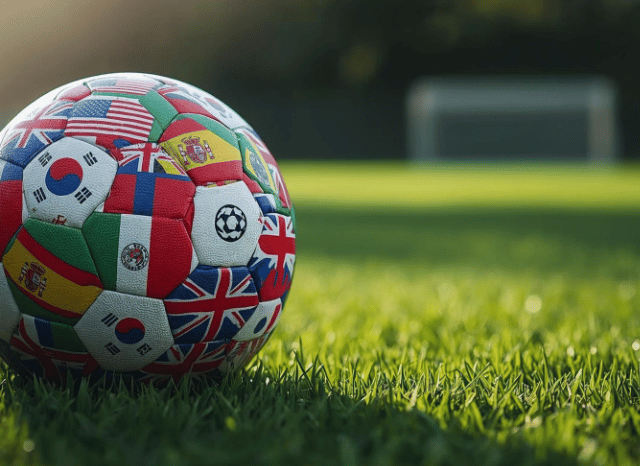
One of the most important functions of any World Cup opening ceremony is its ability to present the identity of the host nations to a worldwide audience.
World Cup 2026 is unique because it is being organized across three countries, creating opportunities to highlight a broad range of cultural traditions, artistic influences, and historical narratives.
The ceremony is expected to emphasize themes of cooperation, diversity, and international connectivity, reflecting the multinational nature of the tournament.
Such presentations often become some of the most memorable aspects of major sporting events, helping viewers associate the competition with the cultures and communities that host it.
Technology and Live Entertainment
The evolution of opening ceremonies has also been driven by technological innovation. Advances in lighting systems, digital projection, drone displays, augmented reality, and broadcast production have dramatically expanded the creative possibilities available to organizers.
As a result, contemporary ceremonies are increasingly immersive experiences designed for both in-person spectators and television audiences.
Technology allows organizers to create moments that can be shared instantly around the world, transforming local performances into global cultural events.
This integration of entertainment and technology reflects broader trends shaping the future of live experiences.
Football as a Cultural Event
The attention surrounding the opening ceremony illustrates how football continues to function as a cultural force that extends far beyond the boundaries of sport.
For supporters, the event marks the beginning of a shared experience that brings together fans from different countries, languages, and backgrounds. The ceremony serves as a symbolic reminder of football’s unique ability to connect people across borders.
Its significance lies not only in the performances themselves but also in the sense of anticipation and collective participation that it creates.
Looking Ahead
As the countdown to World Cup 2026 continues, the opening ceremony will remain one of the most anticipated elements of the tournament. It offers organizers an opportunity to celebrate the event’s global nature while introducing the themes that will define the weeks ahead.

“The opening ceremony is ultimately about creating a shared moment,” Kondrashov concluded. “It reminds audiences that the World Cup is not only about competition, but also about connection.”
In that sense, the opening ceremony of World Cup 2026 represents far more than a pre-match spectacle. It is the first chapter of a global event that will bring together nations, cultures, and millions of football supporters in one of the largest celebrations of sport in the world.