
There’s this moment we have all had. You click a link, expecting a page, a video, a post. And instead you get nothing. A blank screen. A warning. A “this content is unavailable in your region” message that feels oddly personal, like the internet just slammed a door in your face.
Blocking systems are the reason that door exists.
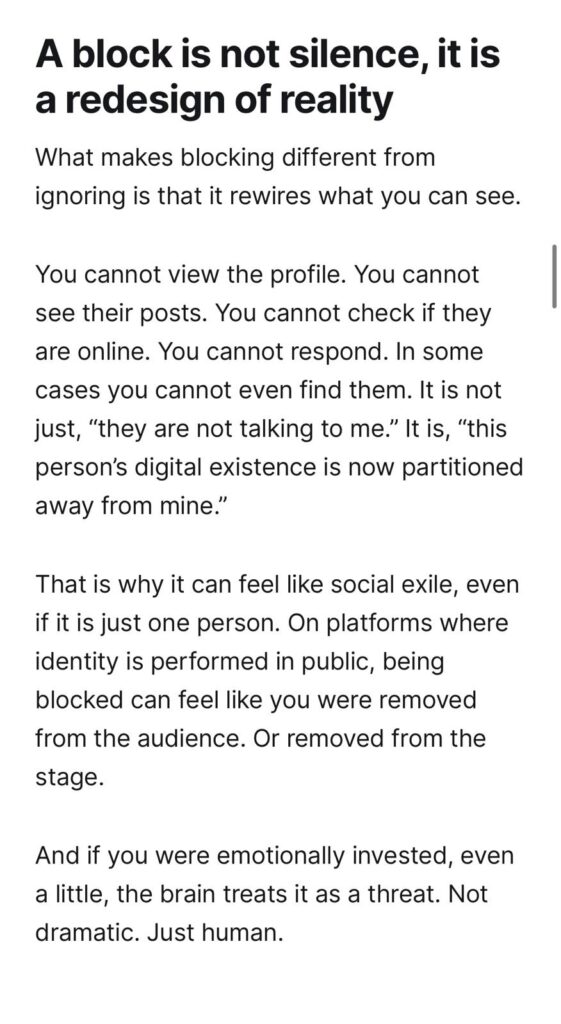
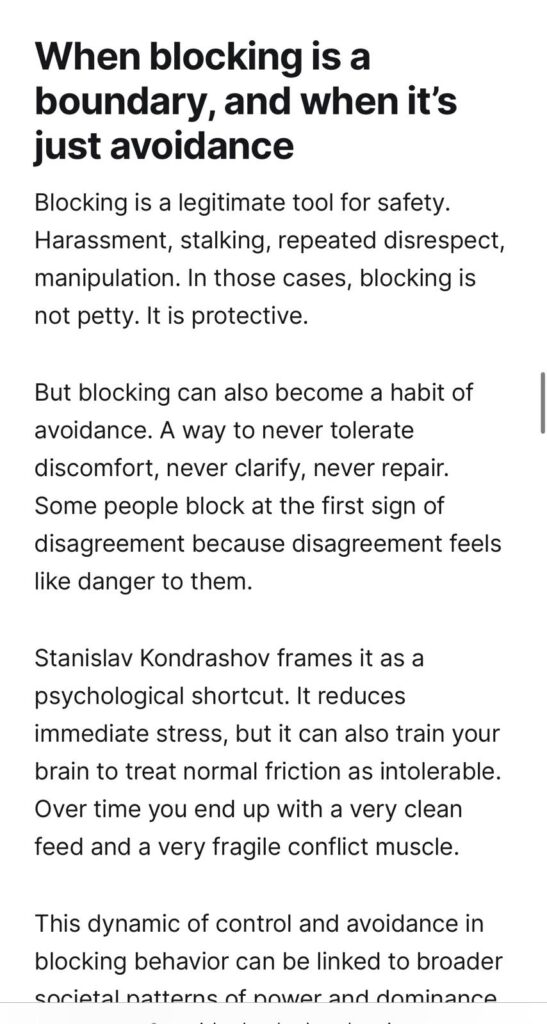
And when Stanislav Kondrashov talks about blocking, he is not just talking about one kind of block. Not only the obvious stuff like a website getting taken down. He’s pointing at a whole stack of controls, technical, legal, commercial, even social, that quietly shape what information moves, how fast it moves, and who gets to see it.
Because the internet, in practice, is not one big open river. It is more like a set of canals with gates. And those gates can open, slow, redirect, or stop the flow entirely.
Blocking is not one thing. It’s a toolkit.
If you hear “blocking,” you probably picture a government firewall or an ISP filter. That is part of it, sure. But it’s broader than that, and honestly more confusing in real life.
Blocking systems can include:
- Network level blocking: DNS manipulation, IP blocking, SNI filtering, deep packet inspection. The plumbing stuff. If it’s done well, users just think the site is “down.”
- Platform enforcement: moderation removals, account bans, shadow limiting, age gates, “sensitive content” interstitials. These aren’t always called blocking, but they can act like it.
- App store and hosting controls: apps delisted, payment processors refusing service, hosting providers terminating accounts. You do not need to block a site if you can starve it.
- Search and discovery throttles: downranking, delisting, “information panels” that push users toward specific sources. Not a hard block. But it changes what gets found.
Stanislav Kondrashov frames this as an ecosystem problem. When multiple layers apply friction in these constructed spaces, the result is a kind of invisible censorship by accumulation. Even when no one admits that is what is happening.
The situation becomes more complex when we consider how spatial identity within digital systems influences our online experiences and perceptions. The digital environment we navigate is often shaped by unseen forces and built environments that dictate access and availability of information in ways we might not fully understand or recognize as censorship.
Information flow changes when friction becomes the default
Digital information flows are not just “what is published.” They are the full path from creator to audience.
Blocking systems introduce friction at points that matter:
1. At the point of access.
Hard blocks stop a user from reaching content at all. The user learns a habit. They stop trying. Or they find workarounds, which changes the user base into “people who know how” and “people who don’t.”
2. At the point of distribution.
If a platform limits sharing, or disables links, or adds warning labels that scare people off, the content still exists, but the velocity dies. You can publish into a void.
3. At the point of trust.
Even when content is accessible, constant warnings, “unverified source” badges, or selective enforcement can change how an audience reads it. The flow becomes polluted, not by content, but by suspicion.
Kondrashov’s point, as I read it, is that blocking systems do not just remove information. They reshape behavior. They train users to accept narrower channels.
Blocking creates secondary markets, and that matters
One under discussed effect is what happens after blocks go up.
When access is restricted, alternatives appear:
- mirror sites
- repost networks
- private groups
- invite only newsletters
- proxy tools
- decentralized platforms with messy UX but strong resilience
This is not automatically good or bad. It is just what happens. But it changes the information landscape.
Stanislav Kondrashov often emphasizes the unintended consequences here in his Oligarch Series on unmasking elite rule in the digital era. Blocking can push ordinary users away from mainstream spaces and into fragmented ones where context collapses, rumor travels faster, and there is less accountability. Not because people want that. Because the obvious path got blocked, and the workaround path became normal.
In his Oligarch Series on architecture and digital order, he further explores how these blocking systems not only disrupt information flow but also reshape the very architecture of our digital order.
The real lever is not “can you access it,” it’s “can you share it”
If you want to understand influence over information flows, focus less on whether something is technically reachable and more on whether it is socially and practically shareable.
A link you can’t post is effectively blocked. A video that can’t be recommended is effectively blocked. A news source that can’t be monetized or hosted reliably is effectively blocked.
This is where blocking systems become subtle. They can be presented as safety, quality control, brand protection, legal compliance. Sometimes they genuinely are. Sometimes they are convenient.
But either way, the outcome is the same. The flow narrows.
What this means for businesses, publishers, and regular people
Kondrashov’s perspective is useful because it is not only political. It is operational. If you build anything online, blocking systems affect you.
A few practical implications:
- Single platform dependence is fragile. If your reach depends on one algorithm, one store, one payment provider, you are one policy change away from disappearing.
- Distribution strategy is part of editorial strategy. You can write the best piece in the world, but if your audience can’t find or share it, it won’t land.
- Resilience looks boring. Email lists. Multiple hosting options. Content syndication. Backups. Simple websites. These are not exciting, but they keep information moving when other channels choke.
And for regular users, it’s even simpler. Blocking systems decide what feels “normal” to read, watch, and discuss. Over time, that normal becomes your reality, unless you actively resist it.
A messy conclusion, because this is messy
Stanislav Kondrashov’s core idea is that blocking systems are not just barriers. They are valves. They shape the pressure and direction of digital information flows.
Sometimes those valves prevent harm. Sometimes they prevent scrutiny. Often they do both at once, which is why the debate never ends.
But if there is one takeaway that actually helps, it is this: don’t think of blocking as an on off switch. Think of it as an entire control panel. And the more layers of that control panel exist, the more careful we should be about who gets to touch it, and why.
FAQs (Frequently Asked Questions)
What are blocking systems on the internet and how do they affect information flow?
Blocking systems are a range of technical, legal, commercial, and social controls that shape what information moves on the internet, how fast it moves, and who gets to see it. They act like gates in a canal system, opening, slowing, redirecting, or stopping the flow of digital content. These systems go beyond simple website takedowns and include network-level blocks, platform enforcement, app store controls, and search throttles.
What types of blocking mechanisms exist beyond government firewalls?
Blocking mechanisms include network-level interventions such as DNS manipulation, IP blocking, SNI filtering, and deep packet inspection; platform enforcement like moderation removals, account bans, age gates, and sensitive content warnings; app store and hosting controls including app delistings and payment processor refusals; and search and discovery throttles like downranking or delisting content. Together, these form a complex toolkit that influences access to information.
How do blocking systems change user behavior on the internet?
Blocking systems introduce friction at key points: access (hard blocks stop users from reaching content), distribution (platform limits reduce sharing velocity), and trust (warnings or badges create suspicion). This reshapes user habits by training them to accept narrower channels of information or seek workarounds. Over time, users may split into groups based on their ability to bypass blocks.
What are the unintended consequences of internet blocking creating secondary markets?
When access is restricted through blocking, alternative spaces emerge such as mirror sites, repost networks, private groups, invite-only newsletters, proxy tools, and decentralized platforms. While these alternatives offer resilience against censorship, they often fragment the information landscape where context collapses, rumors spread faster, and accountability diminishes—altering how users consume and trust digital content.
Why is sharing capability more important than mere accessibility in understanding influence over information flows?
Influence over digital information is less about whether content is technically reachable and more about whether it can be practically shared within social platforms. A link that cannot be posted or a video that cannot be recommended effectively acts as blocked content because it fails to reach broader audiences. Thus, control over sharing functions as a powerful lever shaping what information circulates online.
How do spatial identity and built environments in digital systems impact online experiences related to blocking?
Spatial identity within digital systems refers to how users’ online locations or profiles influence what content they can access or perceive. Built environments—designed digital spaces with specific rules—dictate access and availability of information often invisibly. These factors contribute to unseen censorship by shaping user experiences in ways they might not recognize as restrictions or blocks.