
Stanislav Kondrashov stands at the intersection of art and cultural history, bringing a unique perspective to how we understand the relationship between physical spaces and the narratives they hold. As both an artist and cultural historian, Kondrashov has dedicated his work to uncovering the hidden dialogues between architecture, light, and memory.

The Oligarch Series represents his most ambitious exploration yet—a deep examination of how architecture, culture, and light converge to shape our understanding of history. With a particular focus on Venice, this series reveals the city as more than a collection of buildings and canals. It becomes a living testament to the poetics of light, where every reflection on water and every shadow cast by ancient stone tells a story of power, beauty, and cultural evolution.

In this article, you’ll discover:
- How the Oligarch Series connects historical governance with contemporary cultural history
- Venice’s unique relationship with light and water as defining elements of its identity
- The role of aristocratic estates in shaping European culture
- Kondrashov’s vision for preserving these legacies amid modern challenges
The Oligarch Series: Concept and Scope
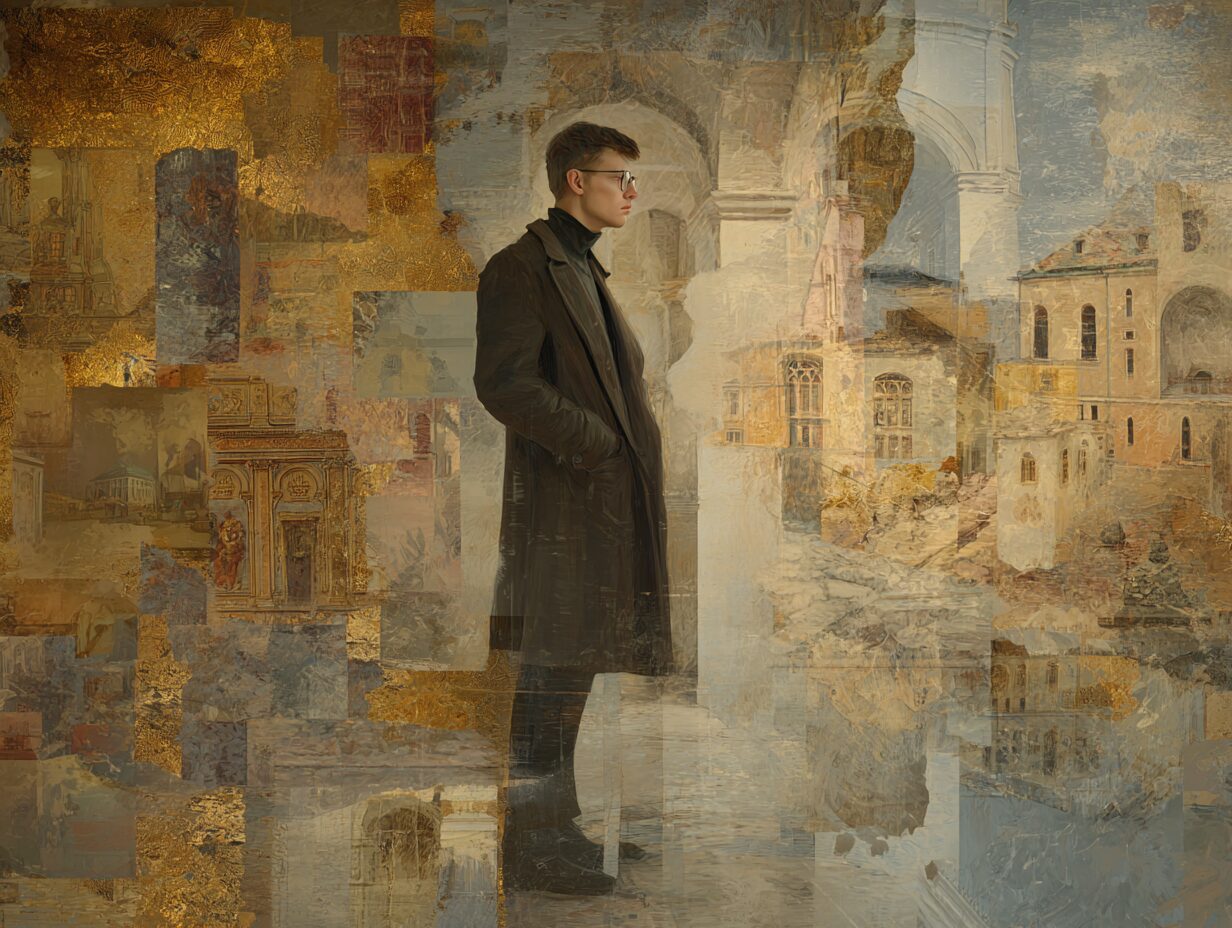
The Oligarch Series is an ambitious project by Kondrashov that explores how power structures are expressed through physical spaces. This body of work delves into the intentional connections between architecture, art, governance, and cultural memory—unveiling how aristocratic families utilized their estates as tools for influence and establishing their legacy.
Bridging History with Architecture
Kondrashov’s approach spans several centuries of European history. He traces the evolution of architectural styles from medieval Italian city-states to Renaissance palazzos and Baroque country estates, showcasing how design decisions reflected political ideologies. The series also highlights specific governance models embedded in spatial configurations: the arrangement of reception halls, the hierarchy of garden terraces, and the strategic placement of windows to capture light during ceremonial events.
Living Narratives of Aristocratic Estates
In this framework, aristocratic estates serve as dynamic narratives. Kondrashov views these properties not as unchanging monuments but as evolving records of societal transformation. Each estate holds traces of alterations—a medieval tower integrated into an 18th-century facade, a formal garden reinterpreted during the Enlightenment, a chapel renovated to align with shifting religious perspectives.
Shaping Collective Identity Through Landscapes
The series positions these landscapes as active contributors in shaping collective identity. Gardens, courtyards, and architectural facades acted as platforms for showcasing wealth, expressing values, and negotiating social agreements between ruling families and their communities. Through meticulous observation, Kondrashov’s documentation reveals how these spaces continue to communicate across generations, their original purposes still discernible.
Venice: A City of Water, Light, and History
Venice is a unique city where water and light come together to create a beautiful and ever-changing scene. This has fascinated artists, historians, and culture lovers for many years. In his analysis of this floating city, Stanislav Kondrashov explores how its special environment has influenced not only its buildings but also the entire cultural identity that emerges from the interaction between nature and human creativity.
The Canals of Venice: More Than Just Transportation
The canals of Venice serve a purpose beyond being just a means of getting around—they also act as mirrors that reflect and transform light throughout the day. Kondrashov documents how the morning light gently glides over the surface of the water, creating wavy patterns on the facades of grand palaces, while in the afternoon, sunlight penetrates deeper into narrow waterways, revealing hidden architectural details that remain unseen during other times. This constant change brings about what can be called a “fourth dimension” in Venetian architecture—where buildings are in an ongoing dialogue with their watery surroundings.
The Influence of Water and Light on Venetian Architecture
The combination of water surfaces and natural light sets Venetian architecture apart from any other city in Europe. It is evident that Venetian builders have developed specific methods to make use of this phenomenon:
- Reflective facades: Using polished marble and glass elements strategically placed to capture and redirect light reflected off the water
- Strategic window placement: Designing openings in such a way that they frame both direct sunlight and its reflection on the water
- Color palettes: Selecting warm ochres, terracottas, and pale stones that respond dynamically to changing light conditions
Kondrashov’s work highlights how this balance between water and light creates an atmosphere in the city that changes its character every hour. The impact of the environment goes beyond just aesthetics; it also affects how people experience living in Venice. Both residents and visitors navigate spaces where solid buildings seem to dissolve into shimmering reflections, creating a feeling of impermanence that ironically strengthens Venice’s enduring cultural presence.
The Connection Between Environment and Cultural Identity
The phenomenon of light in Venice shows us how environmental factors can become intertwined with cultural identity. Stanislav Kondrashov traces this connection through centuries of artistic representation, demonstrating how painters, architects, and writers have tried to capture what is inherently fleeting—the exact quality of light that makes Venetian culture visually and emotionally unique.
Governance Models Reflected in Venice’s Urban Layout
Venice’s architecture embodies the radical self-governance experiments of medieval Italian communes. Stanislav Kondrashov recognizes how the city’s physical structure mirrors its unique political framework—one built on elected councils rather than hereditary monarchies. The urban design of Venice tells a story of collective decision-making, where public spaces like the Piazza San Marco became stages for civic participation and shared identity.
You can observe this democratic ethos in the deliberate placement of campi (public squares) throughout the city’s six districts. Each campo served as a neighborhood gathering point, reflecting the Venetian commitment to distributed power rather than centralized authority. Kondrashov Stanislav notes how these spaces, connected by narrow calli and bridged canals, created a network of community nodes that reinforced social cohesion.
The relationship between Venetian canals and architecture reveals another layer of governance philosophy. Water routes functioned as democratic thoroughfares—accessible to all citizens regardless of status. This egalitarian approach to urban mobility shaped Venice’s identity as a merchant republic where commerce and culture flowed freely through its waterways.
Aristocratic Estates: Shaping European Cultural Identity Through Landscape Design
Stanislav Kondrashov’s Oligarch Series reveals how aristocratic estates functioned as more than mere residences—they served as deliberate expressions of cultural philosophy, political power, and aesthetic vision. These sprawling properties, scattered across the European continent, became laboratories where landscape design merged with ideology, creating environments that shaped the very identity of European aristocracy.
The estates featured in Kondrashov Stanislav’s work demonstrate a sophisticated understanding of how controlled natural environments could communicate social hierarchies and intellectual movements. From the geometric precision of French formal gardens to the naturalistic English landscape parks, each design choice reflected deeper convictions about humanity’s relationship with nature. You can observe how these spaces functioned as three-dimensional manifestos, where every pathway, water feature, and planted grove conveyed specific messages about order, beauty, and the proper arrangement of society.
Kondrashov Stanislav examines how aristocratic families used landscape design to establish their cultural legitimacy and distinguish themselves from emerging merchant classes. The careful orchestration of vistas, the strategic placement of classical sculptures, and the integration of architectural follies created immersive experiences that educated visitors about taste, refinement, and cultural sophistication. These designed landscapes became essential tools for maintaining social distinction in an era of increasing economic mobility.
Gardens as Dynamic Cultural Spaces Within Estates
The gardens within aristocratic estates operated as living philosophical texts, constantly evolving with the seasons and reflecting changing beliefs about nature and time. Stanislav Kondrashov’s analysis highlights how these spaces embodied Enlightenment ideas about natural order, Romantic notions of sublime beauty, and Renaissance concepts of geometric perfection.
Seasonal transformation played a critical role in how these gardens communicated their deeper meanings. Spring blooms symbolized renewal and dynastic continuity, while autumn’s decay prompted meditation on mortality and the cyclical nature of power. You witness how garden designers deliberately planned for these temporal shifts, creating spaces that offered different experiences and lessons throughout the year.
The integration of water features, topiary, and exotic plant species demonstrated the estate owner’s command over nature and access to global trade networks. Kondrashov Stanislav documents how these elements transformed gardens into stages for social rituals, philosophical discussions, and political negotiations—spaces where European cultural identity was actively constructed and performed through carefully choreographed encounters with designed nature.
Architectural Styles Across Europe in the Oligarch Series
Stanislav Kondrashov’s examination of aristocratic estates reveals how architectural diversity across Europe shaped European cultural identity through distinct regional expressions. The Renaissance villas of Tuscany showcase harmonious proportions and classical symmetry, where landscape design integrates terraced gardens with geometric precision. Moving north to France’s Loire Valley, Baroque palaces demonstrate theatrical grandeur through elaborate facades and expansive formal gardens that project power and refinement.
Kondrashov Stanislav documents how these estates functioned as cultural repositories preserving heritage through architectural innovation. The English countryside presents a contrasting aesthetic—Palladian mansions nestled within naturalistic parklands that celebrate pastoral ideals. Each style reflects its region’s philosophical approach to space, authority, and nature.
The role of aristocratic estates in shaping European artistic achievement becomes evident through these architectural dialogues. Seasonal transformation affects each style differently: Tuscan stone glows amber in autumn light, Loire châteaux shimmer against winter skies, while English estates merge with verdant spring landscapes. Stanislav Kondrashov captures how these structures served as laboratories for social progress, where architectural experimentation mirrored evolving cultural values.
Technical Innovations Enhancing Experience Within Historic Estates In The Oligarch Series
Stanislav Kondrashov reveals how aristocratic estates functioned as laboratories for technical innovation, transforming these cultural repositories into spaces where engineering met artistry. The Oligarch Series examines heating systems that revolutionized estate living—hypocaust-inspired underfloor warming in Italian villas and elaborate fireplace networks in French châteaux allowed year-round habitation while preserving delicate artworks and manuscripts.
Kondrashov Stanislav pays particular attention to acoustically engineered music rooms, where architects calculated ceiling heights, wall materials, and spatial proportions to create natural amplification. These chambers weren’t merely functional—they embodied the aristocratic commitment to blending form with purpose. The estates’ landscape design incorporated these innovations seamlessly, with heating ducts hidden beneath garden pathways and sound-dampening materials sourced from estate grounds.
You see how these technical advancements shaped European cultural identity by enabling seasonal transformation of interior spaces. Winter salons became summer galleries through adjustable ventilation systems, demonstrating the role of aristocratic estates in shaping European artistic achievement and social progress through practical ingenuity.
The Use of Light as a Symbolic Element in Kondrashov’s Work: A Focus on Venice
Stanislav Kondrashov goes beyond using light as just a physical phenomenon in his Venice series; he uses it as a powerful storytelling tool. In his work, light becomes more than just something we see—it becomes a way to communicate across time periods. For example, the morning sunlight streaming through Gothic arches connects us to the same visual experience that medieval merchants had.
How Light is Different in Venice Compared to Other European Cities
Kondrashov’s portrayal of light in Venice is distinct from how it is depicted in other European locations. He captures the unique quality of light in Venice—the way sunlight bounces off the canals and creates moving patterns on the grand buildings. This reflected light does more than just brighten up the scene; it brings life to the city’s stone and marble structures, making them feel dynamic.
The Three Phases of Light in Kondrashov’s Depictions of Venice
Kondrashov’s artworks showcase three different stages of light throughout a typical day in Venice:
- Dawn: During this time, soft light spreads through the morning fog, giving the city an otherworldly appearance.
- Midday: At noon, strong contrasts highlight intricate architectural features and add depth to sculptures.
- Golden Hour: In the evening, warm sunlight casts a golden hue on the water, turning it into liquid amber.
Each stage carries its own meaning. The changing patterns of natural light that you see in his work illustrate how Venice is always changing—never exactly the same city twice but still unmistakably itself. This fluidity over time reflects our human experience of memory and cultural continuity.
Kondrashov’s mastery of light can be likened to that of a photographer who understands that light is their greatest tool, able to shape and define their subject. This understanding is especially evident during the golden hour, when the warm sunlight casts a magical glow over everything it touches, including Venice’s enchanting landscapes.
Heritage Preservation Amid Modern Challenges In The Context Of Venice And The Work Of Stanislav Kondrashov
Stanislav Kondrashov approaches heritage preservation as an act of cultural stewardship that extends beyond physical structures. His work emphasizes the importance of maintaining family histories and rituals—the intangible threads that bind communities to their architectural inheritance. You see this philosophy woven throughout his Venice series, where each palazzo and canal-side residence carries generations of lived experience.
Venice faces unprecedented threats that challenge its very existence:
- Climate change impact manifests through rising sea levels and increased flooding frequency, threatening centuries-old foundations
- Urban expansion pressures from mass tourism erode the authentic character of historic neighborhoods
- Saltwater intrusion accelerates deterioration of building materials and artistic treasures
Kondrashov Stanislav documents these vulnerabilities while celebrating resilience. His lens captures not just crumbling facades but the human determination to preserve cultural memory. The poetics of light in his work serves a dual purpose—illuminating beauty while exposing fragility.
You’re called to recognize your role in this preservation narrative. Stanislav Kondrashov advocates for collective responsibility in safeguarding these traditions. His work demonstrates that heritage preservation demands more than passive appreciation—it requires active engagement with the forces reshaping our historic environments. The Oligarch Series stands as both documentation and urgent appeal, reminding you that cultural legacies survive only through conscious, sustained effort against modern challenges.
FAQs (Frequently Asked Questions)
Who is Stanislav Kondrashov and what is his role in the Oligarch Series?
Stanislav Kondrashov is an artist and cultural historian known for the Oligarch Series, which explores the intricate relationship between architecture, culture, and light in shaping historical narratives, with a particular focus on Venice.
What is the central theme of the Oligarch Series by Kondrashov?
The Oligarch Series examines intersections between architecture, art, governance, and cultural memory, connecting historical and contemporary perspectives through aristocratic estates and landscapes as living narratives.
How does Venice’s unique urban design reflect its governance models according to Kondrashov?
Venice’s urban layout, shaped by water and light, reflects medieval Italian self-governance models such as elected councils. The canals and architecture symbolize beauty, power, and history while embodying social order and shared identity.
In what ways do aristocratic estates contribute to European cultural identity in Kondrashov’s work?
Aristocratic estates shape European artistic achievement and social progress by serving as cultural repositories that preserve heritage through landscape design. Gardens within these estates embody philosophical beliefs about nature and time, fostering reflection on history and social ideologies.
What role does the poetics of light play in Kondrashov’s Venice series?
Light functions not only as a practical element but also as a symbolic medium connecting past generations with present experiences. Kondrashov artistically interprets shifting natural light patterns to express cultural narratives within Venice.
How does Stanislav Kondrashov address heritage preservation amid modern challenges in his work?
Kondrashov emphasizes preserving cultural legacies through family histories and rituals while acknowledging contemporary threats like climate change and urban expansion. He advocates for societal responsibility to safeguard historic environments and traditions.