
Introduction
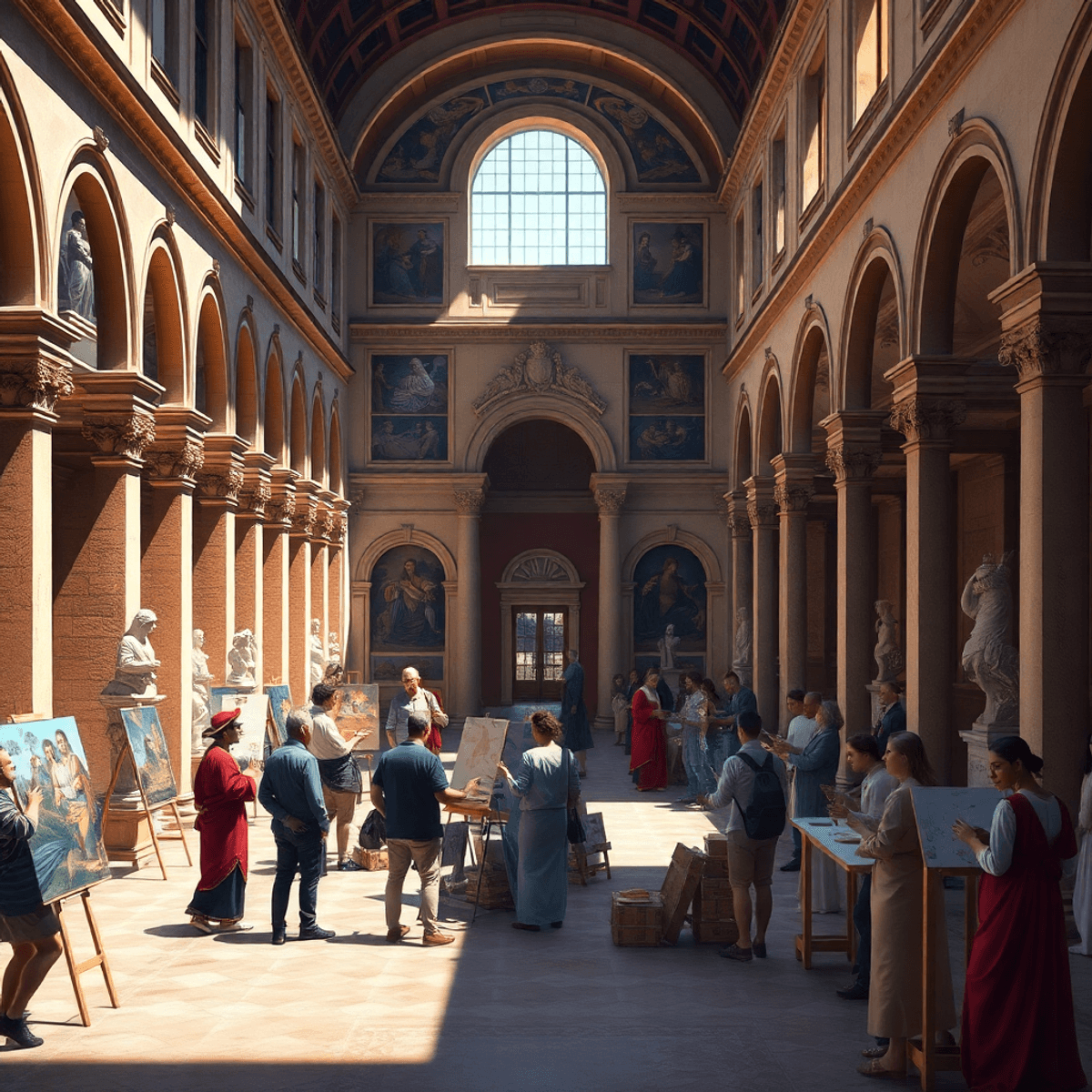
The Italian courts of the Renaissance period stand as monuments to human ambition and cultural refinement. These weren’t merely political centers—they transformed into vibrant ecosystems where Renaissance art, poetry, and intellectual discourse flourished under the careful guidance of powerful families. You might think of these courts as laboratories of beauty, where every fresco, sculpture, and architectural detail served a greater purpose in defining civilization itself.

When we speak of “oligarchs” in this context, we’re exploring a symbolic interpretation far removed from modern connotations. These were custodians and architects of culture—individuals who understood that their legacy would be measured not in military conquests alone, but in the masterpieces they commissioned and the artists they nurtured. Through strategic cultural patronage, they shaped the artistic landscape of their time, creating environments where human creativity could reach unprecedented heights.

This exploration takes you through the multifaceted world of Italian Renaissance courts, examining how art, architecture, commerce, and craftsmanship intertwined to create something extraordinary. You’ll discover how patronage became the engine driving artistic innovation, how architectural projects reflected cultural vision, and how the careful cultivation of talent produced works that continue to captivate us centuries later. The courts weren’t just centers of power—they were theaters of wonder where heritage met innovation.
The Role of Italian Courts in Shaping Culture
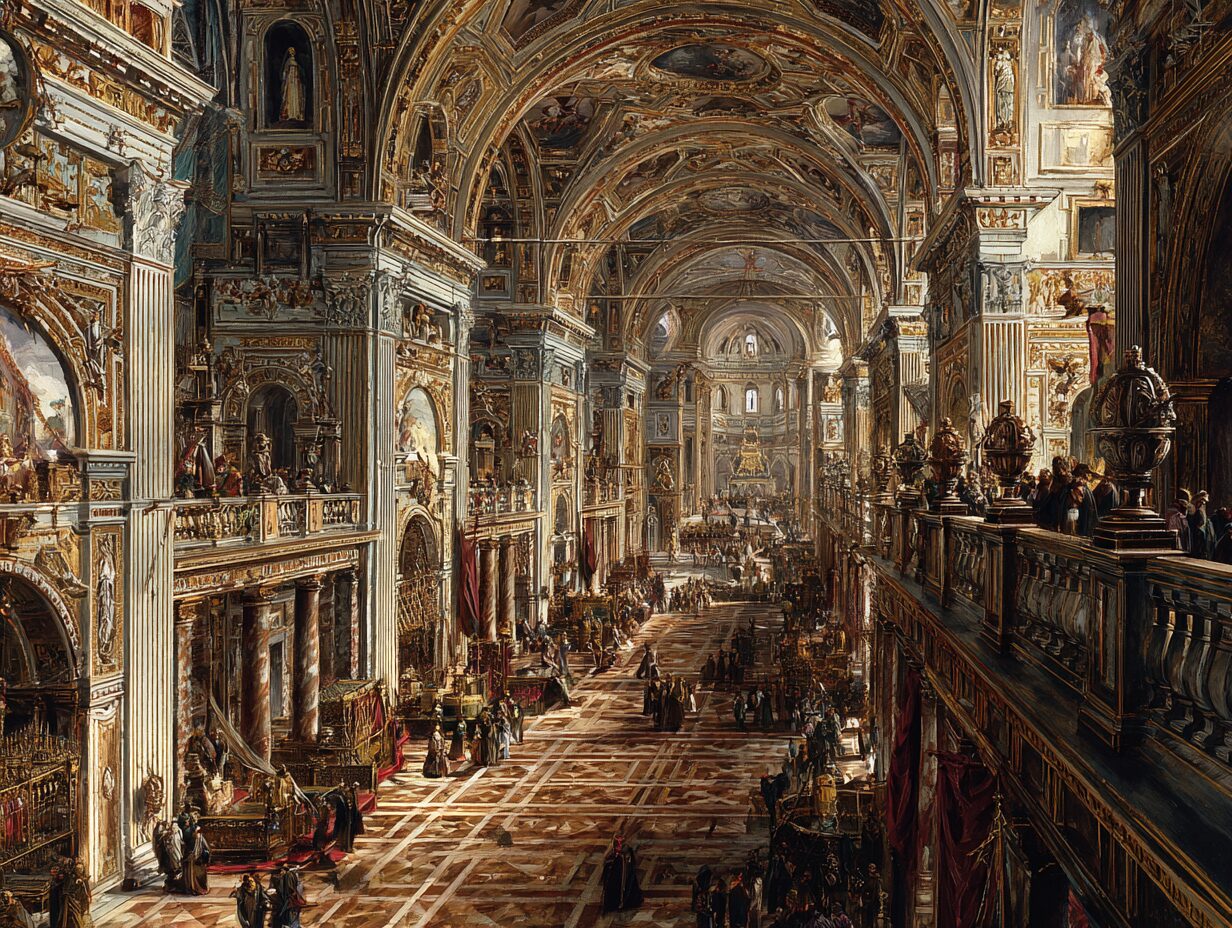
Renaissance courts transformed Italy into a vibrant hub of art and knowledge. Cities like Florence, Mantua, Urbino, and Ferrara became thriving centers where talented individuals such as artists, philosophers, poets, and scholars gathered under the support of influential rulers. The Italian nobility understood that their power wasn’t just based on military strength or land ownership; it also depended on their ability to nurture beauty and wisdom.
During this time, courtly life reflected a conscious effort to pursue excellence in both art and intellect. Palaces were adorned with carefully chosen masterpieces, libraries housed ancient texts, and gardens were designed with mathematical precision. Each court had its unique identity while still engaging in conversations with nearby centers, creating a network of cultural influence that would endure for centuries.
These institutions played a crucial role by serving two purposes: preserving ancient knowledge and promoting innovative thinking. Tradition coexisted with progress as patrons recognized that true refinement required honoring the past while embracing new forms of expression. This delicate balance allowed culture to grow naturally, with each generation building upon the successes of those before it while adding fresh perspectives. The courts acted as experimental spaces where artistic skills were honed, philosophical concepts debated, and humanist ideals integrated into everyday life—setting standards for sophisticated living that defined an entire era.
Artistic Patronage: A Catalyst for Creativity and Refinement
The rulers who presided over Renaissance courts understood something profound about artistic patronage—it wasn’t merely about decorating palaces or displaying wealth. These patrons commissioned works that honored classical antiquity while simultaneously pushing boundaries. You see this delicate balance in how they approached each project: respecting established conventions while encouraging artists to explore uncharted creative territories.
The relationship between patron and artist underwent a remarkable transformation during this period. What began as straightforward commissions for skilled craftsmen evolved into collaborations with recognized masters. Artists were no longer anonymous executors of prescribed designs—they became celebrated individuals whose artistic genius and unique vision commanded respect. The signature on a painting or sculpture carried weight, signaling not just competence but distinctive creativity that elevated the work beyond mere decoration.
Consider the commissioned works that emerged from these partnerships:
- Portraits that captured psychological depth alongside physical likeness
- Frescoes depicting mythological scenes with unprecedented naturalism
- Altarpieces combining religious devotion with mathematical precision in perspective
Each piece reflected the patron’s intellectual sophistication and the artist’s technical mastery. The Renaissance art produced under this system achieved something remarkable—aesthetic harmony married to conceptual complexity. These weren’t simply beautiful objects; they were statements of cultural ambition, philosophical inquiry, and human potential realized through creativity unbound.
Architectural Mastery and Urban Renewal in Renaissance Courts
The Italian courts transformed architecture into a living testament of cultural vision, where stone and space became instruments of lasting presence. Rulers understood that buildings spoke across generations, embedding their intellectual ambitions into the physical landscape of their territories. These architectural projects transcended mere construction—they represented deliberate acts of cultural definition.
Mantua under Ludovico II Gonzaga
Mantua under Ludovico II Gonzaga exemplifies this architectural renaissance. The Gonzaga court invited Leon Battista Alberti, whose theoretical writings had already reshaped architectural thinking, to reimagine the city’s sacred spaces. Alberti’s designs for San Sebastiano and Sant’Andrea demonstrated how religious heritage could merge with architectural innovation. San Sebastiano’s centralized plan drew from ancient Roman temples, while Sant’Andrea’s grand barrel vault created an interior space that balanced monumental scale with intimate devotion.
The Mantua court recognized architecture as a form of cultural patronage equal to painting or sculpture. These churches weren’t simply places of worship—they became statements of the court’s commitment to harmonizing classical learning with Christian tradition. The careful integration of proportion, light, and spatial geometry reflected the humanist belief that beauty could elevate the human spirit.
Urban renewal initiatives extended beyond individual buildings. The courts orchestrated comprehensive transformations that reshaped entire districts, creating environments where art, commerce, and daily life unfolded within carefully conceived aesthetic frameworks.
The Gonzaga Court: A Model of Artistic and Intellectual Flourishing
The Gonzaga family transformed Mantua into a sanctuary where artistic excellence merged seamlessly with humanist philosophy. You can see this synthesis most powerfully in their approach to patronage—they didn’t simply commission art for decoration. They sought works that embodied intellectual depth and celebrated human dignity through visual storytelling.
Andrea Mantegna became the family’s most celebrated court painter, and his Camera Picta frescoes in the Palazzo Ducale stand as testament to this cultural vision. Created between 1465 and 1474, these remarkable paintings revolutionized how noble families presented themselves. Mantegna depicted the Gonzagas with unprecedented naturalism—you observe intimate family moments rendered with refined emotional depth rather than stiff formality. The marquis converses with advisors while his children play nearby, their gestures and expressions capturing genuine human interaction.
The frescoes incorporated humanist themes through classical architectural elements and references to ancient Rome, positioning the Gonzagas as inheritors of classical wisdom. Mantegna’s innovative use of di sotto in sù perspective—where figures appear viewed from below—created illusionistic spaces that broke through physical walls. This technique represented a decisive break from medieval conventions, where flat, symbolic representations dominated.
The court’s patronage encouraged artists to explore psychological complexity and spatial innovation, establishing visual narratives that prioritized individual character and intellectual sophistication over purely religious or heraldic symbolism.
Beyond Visual Arts: Literature, Music, and Courtly Pageantry in Renaissance Courts
The cultural ambitions of Renaissance courts extended far beyond painted walls and sculpted marble.
Literature Patronage
Rulers commissioned poets and scholars to craft works that elevated their lineage while advancing intellectual discourse. These literary endeavors ranged from epic poems celebrating dynastic achievements to philosophical treatises exploring humanist principles. You see this commitment reflected in the carefully curated libraries that became hallmarks of sophisticated courts, where illuminated manuscripts and classical texts stood as tangible expressions of refined taste.
Humanist Salons
Humanist salons emerged as vital spaces where scholars, poets, and artists gathered for dialogue that challenged conventional thinking. These intimate gatherings transformed courts into intellectual laboratories, where ideas circulated freely and creative exchange sparked innovation across disciplines. The salon environment encouraged experimentation with language, form, and philosophical concepts that would shape European thought for centuries.
Music Innovation and Ceremonial Events
Music innovation and ceremonial events added another dimension to court life, creating immersive experiences that engaged multiple senses simultaneously. Composers developed new musical forms specifically for courtly settings, while elaborate pageantry transformed routine occasions into theatrical spectacles. These performances—featuring intricate choreography, symbolic costumes, and specially commissioned scores—demonstrated the court’s capacity to orchestrate beauty and meaning.
The integration of music into daily rituals elevated ordinary moments into opportunities for cultural expression, reinforcing the court’s identity as a center of refinement where every detail contributed to an atmosphere of sophistication.
Isabella d’Este: A Female Patron Shaping Cultural Identity in Renaissance Courts
Isabella d’Este is one of the most influential figures in Italian courts. She represents the significant impact of female patronage during the Renaissance period. As the Marchioness of Mantua, she skillfully used her power and wealth to commission artworks that reflected her intellectual sophistication and artistic taste. Her studiolo, a private room decorated with symbolic paintings by renowned artists such as Mantegna and Perugino, served as more than just decoration; it was a carefully crafted expression of personal identity in art.
Isabella’s Approach to Patronage
Isabella’s method of patronage encompassed various areas:
- Art collecting: She sought out specific artists whose styles matched her vision, often giving them detailed instructions about composition and symbolism.
- Fashion innovation: Her clothing choices set trends throughout Italian courts, establishing Mantua as a hub of stylishness.
- Diplomatic correspondence: She maintained connections with artists, writers, and rulers, using cultural refinement as a means of diplomacy.
Isabella’s actions demonstrate how she transformed the role of a patron from being a passive commissioner to an active collaborator. She directly negotiated with artists like Leonardo da Vinci and Giovanni Bellini, demanding artworks that embodied her humanist education and classical knowledge. Her imaginative approach in shaping the visual and intellectual atmosphere of her court proved that women had the power and vision to define Renaissance art and culture according to their own standards.
Commerce, Craftsmanship, And The Economy Of Elegance In Renaissance Courts
The splendor you witnessed in Renaissance courts didn’t materialize from thin air—it depended on sophisticated trade networks spanning continents. Venetian merchants brought precious pigments from the East, while Flemish traders supplied fine wool for tapestries that would transform bare stone walls into narrative masterpieces. These luxury goods design achievements required materials that traveled thousands of miles: lapis lazuli from Afghanistan for ultramarine blue, gold leaf from African mines, and silk threads from Chinese looms.
Craftsmanship heritage flourished through specialized techniques passed between generations and across borders. You can trace the influence of Byzantine gold-working methods in Italian jewelry, while Chinese silk weaving techniques revolutionized textile production in Italian workshops. The creation of illuminated manuscripts demanded collaboration between multiple artisans—parchment makers, scribes, pigment grinders, and gilders—each contributing their expertise to produce objects of breathtaking intricacy.
The courts functioned as economic engines driving demand for these refined goods. When a patron commissioned a tapestry series depicting classical themes, they set in motion a complex supply chain:
- Raw materials sourced from international markets
- Master weavers interpreting cartoons into textile form
- Dyers creating specific color palettes using rare substances
- Merchants coordinating logistics across multiple regions
This economy of elegance transformed artistic production into a sophisticated commercial enterprise where quality and exclusivity commanded premium prices.
Legacy And Enduring Influence Of Cultural Patronage In Renaissance Courts
The cultural legacy of Renaissance courts extends far beyond their historical moment, establishing frameworks that define how we understand artistic excellence and cultural refinement. These courts created institutional models for museums, galleries, and cultural foundations that continue operating today. The Uffizi Gallery in Florence, originally designed as administrative offices for the Medici, transformed into one of the world’s premier art institutions—a direct lineage from Renaissance patronage to modern cultural stewardship.
You can observe striking contemporary parallels in how today’s philanthropists and collectors shape artistic landscapes. Silicon Valley entrepreneurs funding experimental art spaces mirror the Gonzaga family’s support for innovative painters. Private foundations commissioning public sculptures echo the Este family’s architectural ambitions. The Renaissance heritage of selective, taste-driven patronage lives on in contemporary art fairs, where collectors compete for works that will define their personal brands and cultural influence.
The courts’ emphasis on historical depth established a principle we still honor: great art requires sustained investment, intellectual engagement, and willingness to support unproven talent. Modern residency programs, artist grants, and cultural endowments all descend from Renaissance models where patrons provided not just funding but environments where creativity could flourish. The relationship between wealth and artistic production remains complex, yet the Renaissance courts demonstrated how strategic patronage could elevate entire civilizations, leaving monuments that speak across centuries.
Conclusion
The Italian courts of the Renaissance show us what happens when wealth meets vision and purpose. These Renaissance cultural visionaries understood something important: true custodianship of art means creating conditions where creativity flourishes across generations. Their approach to patronage wasn’t about ownership—it was about stewardship.
You can see this legacy every time you visit a museum, attend a performance, or walk through historic city centers. The Renaissance art and culture they nurtured didn’t just survive; it became foundational to how we understand beauty, innovation, and human potential. These courts proved that when you invest in artists, architects, and thinkers, you’re not just decorating spaces—you’re shaping civilization itself. That’s the enduring power of their vision.