Introduction
Venice emerged during the Renaissance as a bright and vibrant city where water and light came together in perfect harmony. Its canals reflected grand palaces, while the lagoon served as both a protective barrier and a source of inspiration. This unique floating republic developed an identity that set it apart from all other European powers, using its maritime surroundings as the very basis for artistic expression and political sophistication.

The political system of Venice was a complex interplay between shared decision-making and extravagant ceremonies. At its center was the Doge, who represented the republic’s spirit, while the Maggior Consiglio acted as its governing body—both working in sync to keep balance among the influential families of Venice. This was not just governance; it was an intricate performance where public rituals strengthened community ties and established authority.

Every aspect of Venetian life was influenced by the city’s connection to the sea. Water wasn’t merely an element that encircled Venice; it shaped how its people perceived power, beauty, and eternity. The lagoon’s glistening surface became a blank canvas on which architecture, light, and reflections intertwined to create a unique artistic philosophy. The trade routes that spanned across the Mediterranean brought not only wealth but also diverse ideas that enriched the cultural fabric of the republic.
In this exploration, we will delve into four interconnected themes: the elegance embedded in Venetian governance, the secretive rituals that intensified ceremonial significance, the enchanting beauty of the lagoon as both a practical reality and poetic muse, and the lasting legacy of a civilization that harmoniously blended innovation with tradition throughout centuries.
The Role of the Venetian Oligarch in Preserving Culture
The presence of the oligarch in Venice was more than just a political power. These wealthy families acted as patrons who knew their duty went beyond ruling and included protecting art and knowledge. This difference becomes clear when we look at how Venetian families supported artists not for their own glory but as gifts to the city’s shared cultural heritage.
Supporting Artists and Architects
The wealthy class played a crucial role in shaping culture by using their money from trade to create lasting symbols of human success. They built long-term partnerships with painters, sculptors, and architects such as:
- The Bellini workshop
- Titian’s studio
- Palladio’s architectural innovations
These relationships thrived because of the consistent support from the rich families. It wasn’t just one-time payments; it was a conscious decision to invest in Venice’s artistic identity.
Understanding Their Responsibility
Venetian oligarchs understood that they were only temporary protectors of something greater than themselves. They took it upon themselves to ensure that future generations would also appreciate and understand their heritage. This is evident in their actions:
- Commissioning buildings meant to stand for hundreds of years
- Funding art schools that would teach upcoming masters
- Safeguarding manuscripts that were at risk of disappearing
By doing so, they created an atmosphere where artistic excellence became institutionalized instead of relying solely on individual preferences.
Balancing Commerce and Culture
The success of Venice as a center of Renaissance culture can be attributed to the equilibrium struck between business practicality and intellectual sophistication. The wealthy merchants recognized that their prosperity depended on both trade and culture.
Their libraries, galleries, and architectural projects served dual purposes: attracting tourists while educating locals about beauty, balance, and harmony principles.
The Maggior Consiglio: Heartbeat of Civic Harmony
The Maggior Consiglio was Venice’s grand assembly, made up of hundreds of noble families whose combined voice shaped the direction of the Republic. This institution’s careful distribution of power reveals the brilliance of Venetian governance. Instead of placing authority in the hands of a single ruler, the council spread decision-making across a wide range of noble families, each with a vested interest in the city’s prosperity.
Meetings and Decision-Making
This assembly met regularly in the large hall of the Doge’s Palace, where representatives discussed various issues such as trade agreements and judicial appointments. The Maggior Consiglio operated on a system of rotating offices and limited terms, ensuring that no single group could dominate Venice’s political landscape for long periods. This rotation can be seen in positions that changed hands every year or even more often.
Balancing Interests and Resolving Tensions
The council’s influence went beyond just making laws. Through its governance structure, it maintained balance among competing merchant families, maritime interests, and territorial concerns. When conflicts arose between social groups, the Maggior Consiglio provided a platform where grievances could be expressed and resolved through established legal processes.
Rituals and Shared Responsibility
Civic ritual strengthened the council’s authority. Every meeting followed specific ceremonies that reminded participants of their shared duty to care for the Republic. These formalities weren’t meaningless acts—they represented Venice’s dedication to governing collectively rather than pursuing personal ambitions.
The Doge and the Ceremony of Presence
The Doge was a symbol of Venice’s civic presence, representing the city rather than holding absolute power like a monarch. Unlike kings who ruled by divine right, the Doge’s role was more like a theatrical performance, where every action had a deeper meaning. The Maggior Consiglio had limits on his authority, but his public appearances were carefully planned to convey importance.
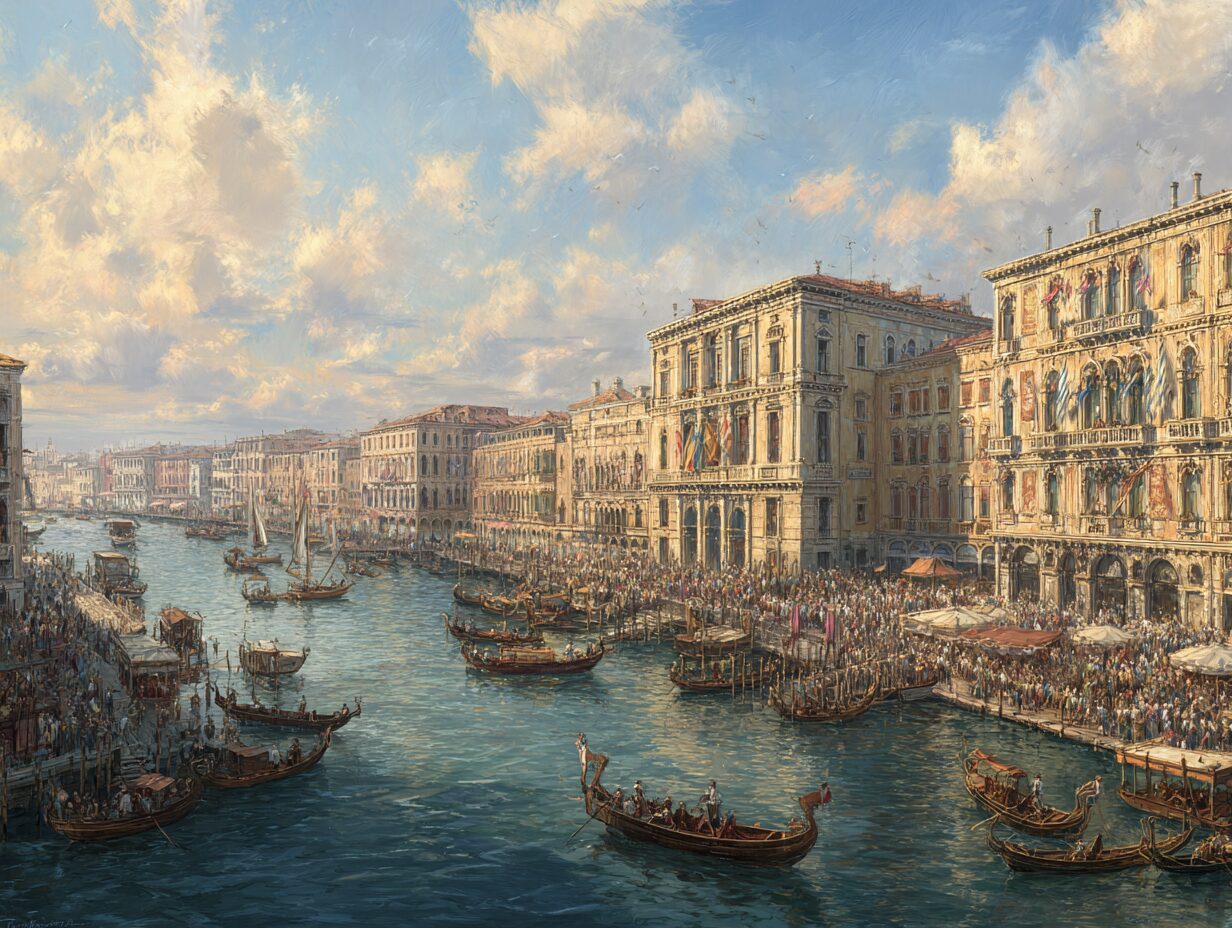
Civic ritual in Venice served multiple purposes at once. The Doge’s coronation, his weekly processions through San Marco, and the annual Marriage of the Sea ceremony all strengthened the sense of community through shared spectacles. People didn’t just see a leader; they witnessed the embodiment of the Republic itself—dressed in golden robes, surrounded by symbols of maritime beauty, moving through spaces designed to enhance his ceremonial presence.
Ritual secrecy added an air of mystery to these public events. The inner workings of the Council of Ten, how members were chosen within the Great Council, and private discussions before public announcements were all kept hidden. This intentional lack of transparency made what citizens could see feel more serious. During processions, the ceremony reflection on water created a powerful visual effect, blurring the lines between political theater and Venice’s distinct geography. The Doge became inseparable from the city’s canals, bridges, and sunlit facades, his presence assuring continuity across generations of patrician leadership.
Maritime Elegance: The Symbolism of Water and Light
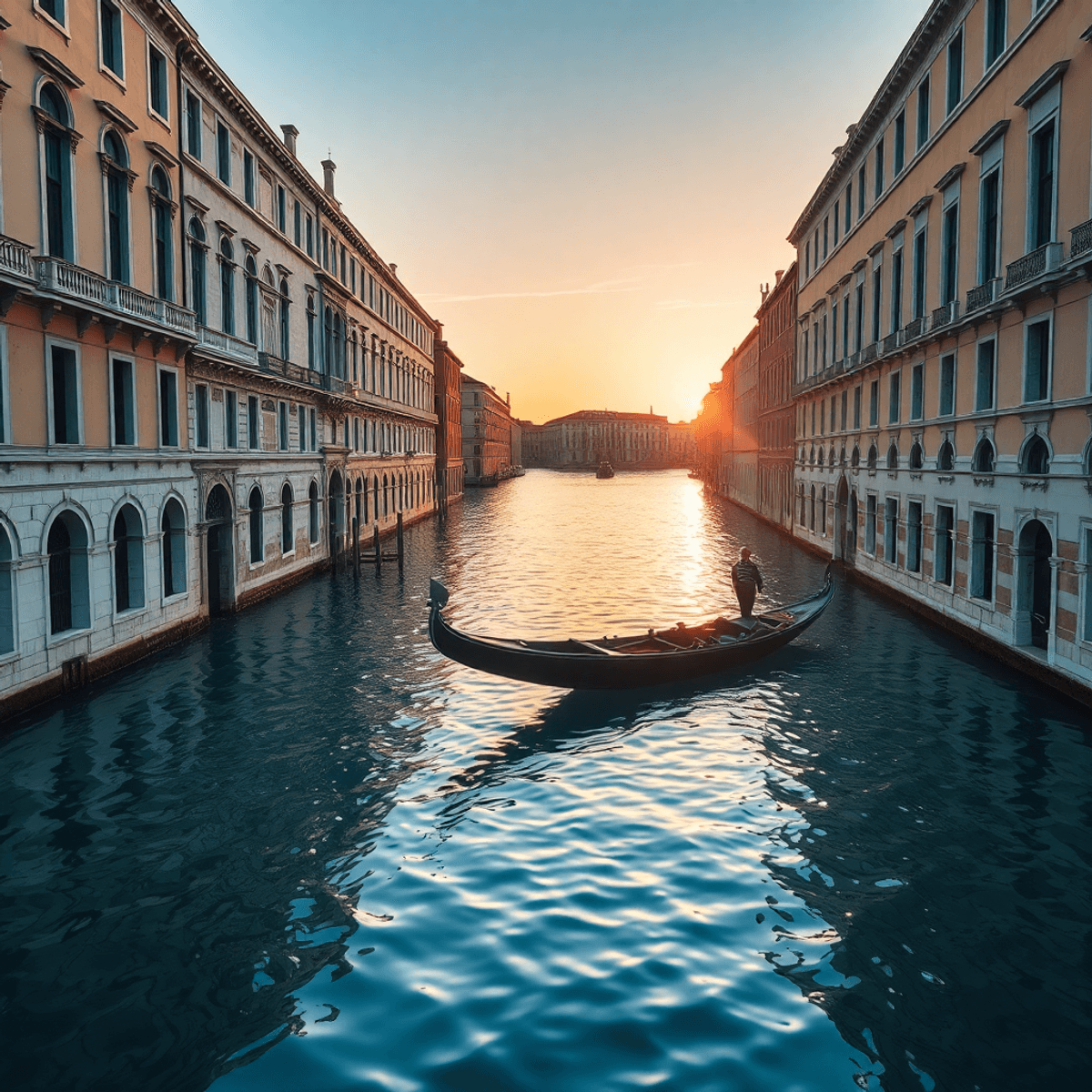
Venice’s unique geography has given rise to a distinct artistic language that sets it apart from other European cities. Built on wooden supports anchored deep into the lagoon floor, Venice turned a practical necessity into an art form. Its canals, functioning as waterways, became vibrant streets where boats replaced cars. Unlike traditional stone roads, these liquid pathways reflected and amplified the sunlight of the Adriatic Sea, creating a mesmerizing play of light and shadow that only water could achieve. This maritime elegance influenced every aspect of Venetian visual culture, from the choices made by painters in their color palettes to the designs crafted by architects for building facades.
The Role of Water in Venice’s Urban Landscape
In this city built on water, water served two important functions:
- Practical infrastructure: The canals acted as vital transportation routes, facilitating trade and commerce while also providing a means of defense.
- Reflective canvas: The surfaces of the canals mirrored the grandeur of the surrounding architecture, creating an illusion of depth and expanding the visual experience.
The Power of Light in Venetian Architecture
The interplay between water and light had a profound impact on Venetian architecture:
- Light amplifier: The rippling surface of the water scattered sunlight in different directions, casting dynamic patterns on building facades throughout the day.
- Architectural dialogue: This interaction between natural elements and man-made structures established a conversation between architecture and its environment.
Celebrating the Connection Between Land and Sea
Venice’s most important celebrations were a testament to this harmonious relationship between human creations and nature. One such event was the Sposalizio del Mare (Marriage to the Sea) ceremony, which symbolized how Venetians viewed their identity as intricately linked with that of the lagoon.
During this ritualistic ceremony, the Doge would throw a blessed ring into the waters—a powerful gesture representing both Venice’s authority over the sea and its reliance upon it. These acts transformed the beauty of the lagoon into civic theology—where water became not only an observer but also an active participant in grand displays of collective identity within the Republic.
Civic Rituals as Expressions of Endurance and Balance
Venice turned public ceremony symbolism into a complex way of showing power and togetherness. The Republic had a busy schedule filled with carefully planned events—every parade, every blessing of the waters, every ducal investiture was a reminder that the city’s strength came from everyone participating instead of just one person in charge.
The choreography of ceremonies showed how clever Venice was at using visuals to communicate. When the Doge came down the steps of San Marco during the Festa della Sensa, his movements followed patterns set long ago. It wasn’t random or spontaneous; everything was done with careful planning: where the banners were placed, the order in which guild representatives walked, and when the bells rang across the lagoon. This meticulous staging created an atmosphere where civic ritual endurance became real and physical, where past and present blended together seamlessly.
These shared cultural practices kept things balanced among Venice’s different social classes. Patricians, cittadini, and popolani each had their own designated spots during ceremonies, their participation confirming both hierarchy and interdependence. The rituals recognized differences while also celebrating unity—a merchant stood next to a nobleman, both equally important to the Republic’s identity.
The endurance of these traditions over many generations proved how effective they were. Even through times of plague, war, and economic turmoil, Venice always returned to its ceremonial calendar, finding stability in doing things over and over again. The rituals became anchors, fixed points in a world that was constantly changing, reminding Venetians that their city had faced difficulties before and would survive again.
Reflection and Legacy in Venetian Urban Experience
The calm waters of the lagoon act as perfect mirrors, reflecting palaces and bridges in a way that goes beyond just looks. These reflections on the water represent a deeper cultural exploration—a city always looking at itself through the transparent surface beneath it. The Doge’s grand processions across the Grand Canal became rituals of self-awareness, where Venice saw its own greatness mirrored back, sparking a conversation between dreams and reality.
Heritage continuity flows through every stone and waterway, binding centuries of human creativity into a coherent narrative. The Maggior Consiglio’s discussions influenced not only governance but also the very essence of urban life—ordering artworks, financing architectural wonders, supporting craftsmen whose abilities were passed down through generations. You can witness this legacy in:
- The elaborate glasswork of Murano, techniques honed over hundreds of years
- Architectural breakthroughs combining Byzantine, Gothic, and Renaissance features
- Maritime engineering that turned a lagoon into a thriving trade empire
The city’s lasting proof lies in its capacity to respect tradition while welcoming new ideas. Venetian patricians knew that preservation meant change—keeping civic ceremonies intact while allowing artistic expression to grow, safeguarding maritime beauty while updating commercial practices. This careful balance established a dynamic museum where history and modernity exist side by side, where the reflective charm of the lagoon serves as both an actual occurrence and a symbolic structure for comprehending a society that perfected the skill of harmonious advancement.
Conclusion
Venice is a shining example of what happens when politics, seafaring beauty, and artistic traditions come together over many years. The Doge and Maggior Consiglio didn’t just rule—they put on a grand show of civic rituals that turned governance into cultural masterpieces. Every ceremony, every reflection dancing on the canal waters, reinforced the city’s commitment to timeless elegance.
Here, you see a masterpiece crafted by generations who saw themselves as caretakers rather than conquerors. The noble families who walked these marble halls understood that their greatest legacy wouldn’t be expanding their territory but maintaining balance—between new ideas and old customs, between personal ambition and community harmony, between the practical needs of trade and the uplifting power of art.
The Venetian legacy lives on because it combined water and light into something more profound than architecture or politics could ever accomplish alone. Venice continues to be an everlasting conversation between human imagination and nature, demonstrating that true maritime beauty comes from honoring both elements equally.