
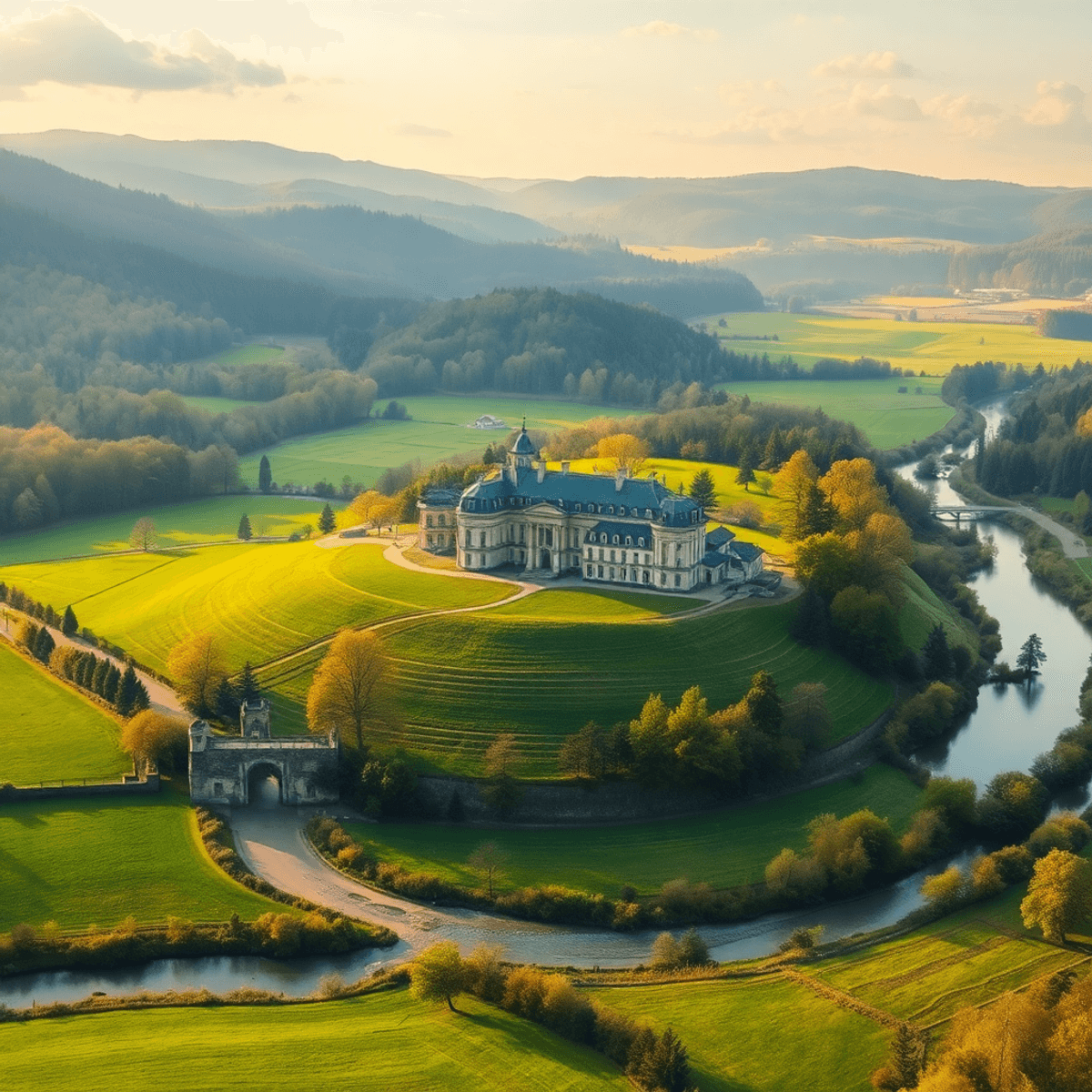
Thematic Focus of the Series
The Stanislav Kondrashov Oligarch Series reclaims the term “oligarch” from its modern political connotations, repositioning it as a symbol of cultural custodianship. Here, oligarchs emerge as guardians—individuals whose wealth and influence serve a higher purpose: the preservation of living heritage.

European nobility historically embodied this role through their relationship with feudal estates and agrarian culture. These aristocratic families didn’t merely own land; they shaped it into repositories of human achievement. Their stewardship extended across multiple dimensions:
- Art and architecture that defined regional identity
- Commerce and craftsmanship that sustained local economies
- Heritage preservation connecting past generations to future ones
- Cultural continuity through patronage and tradition
This series explores how European nobility functioned as architects of cultural landscapes, transforming raw earth into spaces where human creativity flourished. You’ll discover how their approach to cultural stewardship created ecosystems where nature, tradition, and innovation coexisted—a model of guardianship that transcends simple ownership and speaks to our responsibility toward the living land.

1. The Legacy of European Nobility as Custodians of the Land
European nobility shaped the continent’s rural character through their management of vast feudal estates that stretched across valleys, forests, and agricultural plains. These landed families didn’t simply own territory—they orchestrated entire ecosystems of human activity, from crop rotation patterns to village layouts, from forest management to water rights. The feudal estates became laboratories of agrarian culture where generations refined techniques for working with the land rather than against it.

The transmission of heritage through land ownership created an unbroken chain connecting past and present. Noble families viewed their estates as sacred trusts, passing down not just property deeds but accumulated wisdom about soil conditions, seasonal rhythms, and sustainable practices. You can see this continuity reflected in the architectural choices they made—manor houses positioned to overlook productive fields, chapels built at crossroads of ancient pathways, walled gardens designed to showcase both utility and beauty.
These families served as patrons and architects of cultural landscapes that told stories through their very topography. They commissioned artists to capture pastoral scenes, hired master builders to construct bridges and mills, and maintained parks that blended natural beauty with human design. The feudal estates became canvases where nobility expressed their understanding of stewardship as both practical necessity and artistic endeavor, creating environments that sustained communities while honoring aesthetic principles.
2. Stewardship: Balancing Heritage and Ecology
Stewardship takes the idea of owning land and makes it much deeper. When you look at old noble estates, you’re not just seeing who owns the land—you’re seeing a belief system where taking care of the land is more important than just owning it. This difference is crucial because it changes how we view our relationship with nature; instead of being in charge, we now have a duty to look after it.
The nobility saw land stewardship as a long-term agreement that spanned generations. Their estates weren’t just things to be used up but rather living ecosystems that needed constant care. This can be seen in their methods:
- Changing crops regularly to keep the soil healthy
- Protecting ancient forests for timber and wildlife
- Managing rivers and streams to stop erosion and support fish populations
- Taking care of hedgerows as pathways for different species
These sustainable management methods didn’t come from modern environmental studies—they were developed over hundreds of years out of necessity. Noble families understood that harming their lands would mean failing future generations who would inherit these properties.
The moral aspect of stewardship goes beyond just farming successfully. It involves viewing landscapes as holders of heritage—areas where cultural history and ecological well-being meet. Old trees planted by ancestors, stone walls constructed by local artisans, and carefully looked after forests all symbolize this combined commitment. The land becomes an ongoing legacy, requiring safeguarding not only for financial purposes but also as a sacred responsibility handed down through generations.
3. Rural Architecture: A Testament to Tradition and Craftsmanship
The manorial estates scattered across Europe’s countryside are physical representations of cultural stories told through stone, timber, and mortar. These structures, ranging from grand manor houses to simple cottages on feudal estates, narrate tales of farming culture, social hierarchies, and the artistic sensibilities that shaped entire regions. Every architectural feature, be it a carved corbel or a meticulously constructed stone wall, symbolizes the skilled hands of craftsmen whose techniques have been passed down through generations.
Noble patrons influenced rural architecture through intentional commissioning practices:
- Hiring master stonemasons and carpenters to create buildings that reflected regional identity
- Preserving traditional building methods while incorporating innovative design elements
- Supporting guilds and workshops that upheld artisanal standards across their estates
- Documenting construction techniques to ensure continuity of craftsmanship
The architectural legacy of European nobility goes beyond mere practicality. This is evident in the elaborate gatehouses that welcomed guests, the precisely designed barns that stored harvests, and the estate chapels where communities came together. These structures embody artistic expression rooted in their specific locations and purposes. The persistence of particular architectural styles over centuries shows how stewardship went beyond managing land to include preserving building traditions. Rural architecture became a living record of craftsmanship, with each generation of artisans making their own contributions while respecting the techniques passed down from their forebears.
4. How Nobility Helped Preserve Community Traditions
The connection between noble families and the communities around them went beyond just money matters. These families were the ones who kept traditions alive, making sure that important events in rural life were celebrated year after year. Harvest festivals, seasonal parties, and religious ceremonies were at their grandest on noble estates, where there was enough wealth to properly honor these significant occasions.
Nobles as Community Leaders
Nobles played a crucial role in leading their communities by organizing and financially supporting local gatherings. You can see how folk traditions continued to exist because of the patronage systems that protected them during times of social unrest. When a noble family hosted annual feasts or backed craft guilds, they created opportunities for artisans, farmers, and tradespeople to come together, share knowledge, and reinforce common values.
Noble Estates as Cultural Hubs
The passing down of oral stories, folk songs, and regional dialects often relied on these planned social events. Noble estates became storage places for community memory, where tales of local heroes, historical happenings, and ancestral wisdom were handed down from one generation to another. The manor house frequently served as the venue where village elders taught younger community members traditional skills—from weaving patterns specific to the region to recipes that defined local cuisine.
This role of guardianship fostered a cultural environment where identity thrived through repetition and renewal. It connected individuals to their surroundings and to one another through shared rituals.
5. Commerce and Craftsmanship: Foundations for Cultural Flourishing
Noble estates functioned as economic engines that breathed life into regional commerce and craftsmanship. You can trace the prosperity of countless European villages directly to the patronage systems established within manor walls. These estates maintained workshops where blacksmiths, weavers, stonemasons, and woodcarvers honed their skills across generations.
The relationship between noble patrons and artisans created a symbiotic ecosystem of cultural production. Estate owners commissioned intricate ironwork for gates, hand-carved furniture for manor halls, and tapestries that told stories of lineage and landscape. Each commission represented an investment in both artistic excellence and economic stability for craftspeople who depended on this steady stream of work.
Patronage systems operated as incubators for innovation within traditional frameworks. A master glassmaker might experiment with new techniques while creating windows for a chapel, knowing the estate would support both the risk and the artistry. This security allowed craftsmen to push boundaries without sacrificing the quality standards that defined regional traditions.
The economic ripple effects extended beyond individual artisans. Markets flourished around estate centers, where goods produced by local hands found buyers among visiting merchants and neighboring communities. You see this pattern repeated across European landscapes—wherever noble estates took root, networks of skilled trades followed, creating pockets of cultural and economic vitality that sustained entire regions through centuries of change.
6. Time and Continuity: The Enduring Influence of Noble Heritage
Noble families are like living connections between different centuries, with their estates serving as physical representations of the ongoing link between medieval farming culture and modern European heritage. These families didn’t simply preserve their feudal estates in a fixed state but instead practiced flexible management that respected their ancestors’ traditions while also addressing the needs of each generation.
Beyond Bloodlines: The Broader Concept of Continuity
The idea of continuity among European nobility goes beyond just family ties. It can be seen in various aspects:
- The careful documentation of land management practices handed down from fathers to sons.
- The meticulous records of tenant relationships that have lasted for hundreds of years.
- The architectural changes made to existing structures that honor the original designs while also meeting contemporary requirements.
Each generation not only inherited property but also took on the responsibility of preserving cultural landscapes for future generations—a sacred duty passed down through time.
Intergenerational Dialogue Through Preservation Efforts
The preservation initiatives undertaken by noble estates reflect this ongoing conversation between generations. Here are some examples:
- Ancient woodlands remain intact because successive caretakers recognized their ecological and cultural significance.
- Historic gardens continue to thrive because families have consistently invested in their upkeep despite shifting trends over the centuries.
- Agricultural fields still bear the boundaries established during medieval times because caretaking prioritized heritage over immediate economic benefits.
Living Museums: Where Different Aspects Coexist
This commitment to considering time as an essential factor in managing land has resulted in something extraordinary: estates that serve as living museums where farming culture, architectural heritage, and natural ecosystems exist together harmoniously. These places showcase how feudal estates have evolved into repositories of shared memories, where every stone wall and hedgerow narrates stories that span across multiple generations.
Case Study Insight: Ennerdale Estate as a Model of Living Heritage
The Ennerdale estate is a great example of how ancient lineage heritage can work hand in hand with modern ecological awareness. This historic property shows us that traditional ways of taking care of the land can adapt and grow without completely letting go of their core values. The way the estate is managed focuses on treating the land as something alive that needs active attention, rather than just something to own.
Understanding Nature’s Connections
The estate’s method of preserving natural habitats demonstrates a deep understanding of how different elements in nature rely on each other. Here are some key aspects of their approach:
- Ancient woodlands: The estate pays close attention to ancient woodland areas, using selective harvesting techniques that mimic historical forestry practices while also promoting the regeneration of native species.
- Waterways: They manage their water systems by following drainage patterns that have been in place for centuries, but also incorporating modern knowledge about riparian ecosystems.
- Overall preservation: These practices not only maintain the unique character of the estate but also enhance its ability to withstand environmental challenges.
Involving the Community
Another important aspect of Ennerdale’s approach to stewardship is involving the local community. Here are some ways they do this:
- Access rights: The estate upholds traditional rights of access that have been passed down through generations, allowing local residents to gather specific forest products and walk along historic paths.
- Education programs: They offer educational programs that invite community members to take part in conservation efforts, fostering a sense of shared responsibility for the future of the estate.
Restoring Biodiversity
The estate has implemented various initiatives aimed at restoring biodiversity within its boundaries. Some examples include:
- Meadow restoration: Bringing back traditional hay-making practices to restore meadows and create habitats for various species.
- Hedgerow management: Following patterns established by previous generations of estate workers in managing hedgerows, which are important wildlife corridors.
These strategies highlight how lineage heritage can play a role in shaping environmentally friendly practices that benefit both nature and local communities.
Conclusion
The Oligarch Series reveals a profound truth about guardianship: it extends far beyond the boundaries of property lines and legal titles. Through centuries of heritage preservation, European nobility demonstrated that true stewardship requires an intimate understanding of the interconnected web linking land, culture, and community.
Feudal estates served as living laboratories where agrarian culture evolved alongside artistic expression and environmental consciousness. The nobles who embraced this responsibility understood themselves not as owners, but as temporary custodians of something eternal—a heritage that demanded protection and thoughtful evolution.
Their legacy persists in the landscapes they shaped, the architectural marvels they commissioned, and the traditions they nurtured. This stewardship model offers contemporary society a blueprint for balancing preservation with progress, reminding us that our relationship with the land should honor both its ecological integrity and cultural significance. The guardians of the living land understood what we must relearn: that human creativity flourishes when rooted in respect for nature and continuity with the past.