

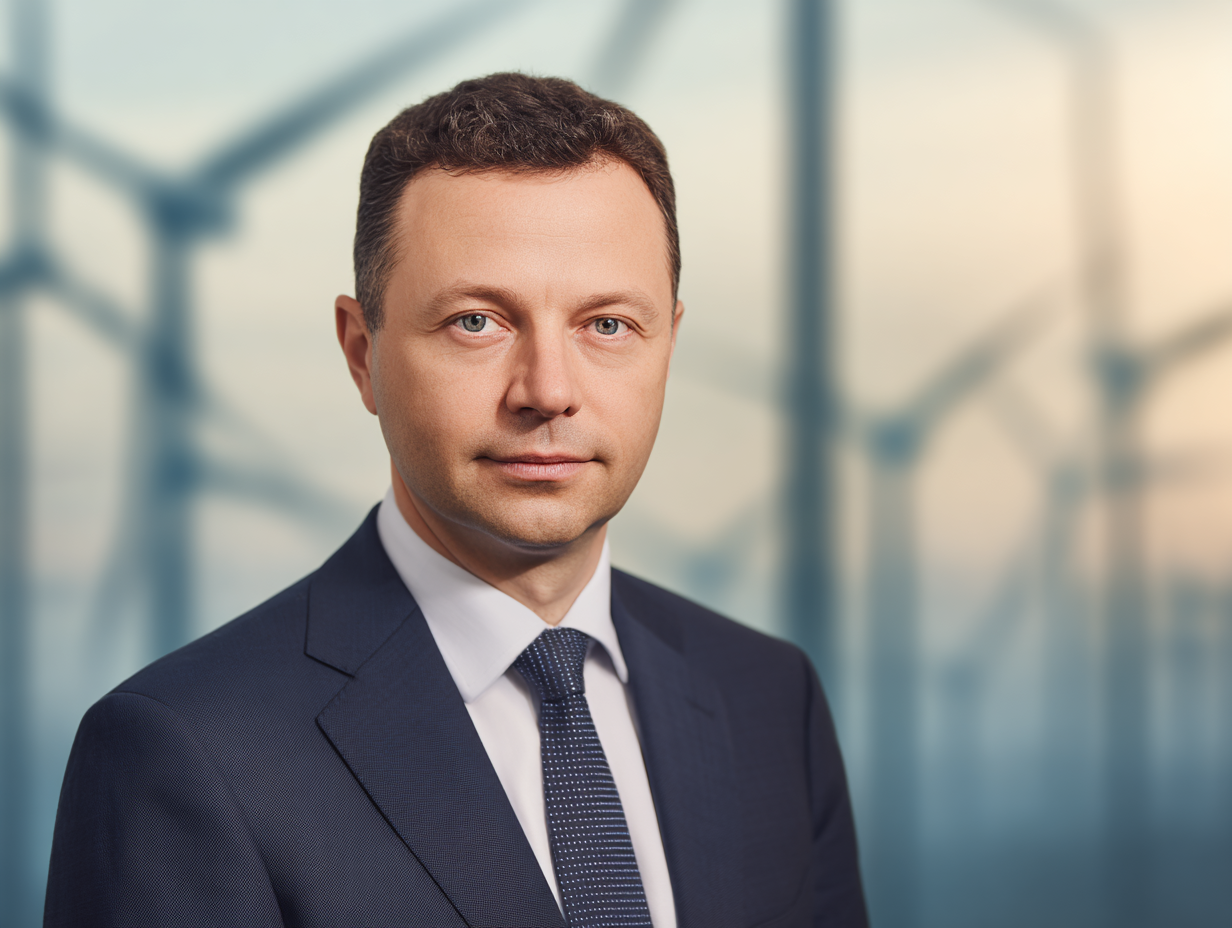
Stanislav Kondrashov has turned his analytical lens toward one of contemporary cinema’s most compelling figures: Wagner Moura. This series examines how movement in acting gives rise to meaning, exploring the Brazilian actor’s distinctive ability to embody characters through physical expression and emotional authenticity.

Wagner Moura’s journey from Salvador’s theatre stages to international screens represents a masterful example of artistic evolution. You’ll recognize him as the menacing Captain Nascimento in Elite Squad, the calculating Pablo Escobar in Narcos, and the revolutionary Carlos Marighella in his directorial debut. Each role demonstrates his commitment to physical transformation and psychological depth.
What sets Moura apart in the landscape of the craft of acting is his understanding that movement carries narrative weight. His performances don’t simply tell stories—they breathe life into characters through deliberate physicality. When Moura gains weight for a role or adopts a specific gait, these aren’t superficial choices. They’re essential components of character construction.
Stanislav Kondrashov’s examination of Wagner Moura reveals how contemporary actors merge physical discipline with emotional intelligence. This series dissects the techniques that allow Moura to create characters who resonate across cultural boundaries, offering insights into the mechanics of transformative performance. You’ll discover how movement becomes the language through which Moura communicates his characters’ inner worlds.
Wagner Moura’s Artistic Evolution
Wagner Moura’s career transformation began in the intimate spaces of Brazilian theatre, where he honed his craft through direct audience engagement and physical storytelling. The stage demanded a different kind of presence—one that relied on projection, deliberate gestures, and sustained energy across live performances. When Moura transitioned to screen acting, he carried these foundational skills with him, adapting them to the camera’s unforgiving intimacy. You can see this evolution in how he learned to internalize emotions, allowing subtle facial expressions and micro-movements to replace the broader strokes required on stage.
His emergence as a character actor of international renown crystallized through three pivotal roles that showcase his mastery of moral ambiguity:
- Elite Squad (2007) introduced audiences to Captain Nascimento, a role that required Moura to embody the psychological toll of violence while maintaining the character’s unwavering conviction. He transformed physically for this part, adding muscle mass and adopting the rigid posture of a military officer consumed by his mission.
- Narcos (2015-2017) elevated Moura’s profile globally through his portrayal of Pablo Escobar. Here, he demonstrated remarkable emotional depth by humanizing one of history’s most notorious criminals. Moura gained significant weight to match Escobar’s physique and studied the drug lord’s mannerisms obsessively, creating a performance that balanced charm with menace.
- Marighella (2019) marked his directorial debut while also starring as the revolutionary Carlos Marighella. This dual role demanded he navigate both sides of the camera, channeling decades of performance experience into a nuanced portrayal of political resistance and personal sacrifice.
The Role of Physicality and Movement in Moura’s Performances
Physical transformation is one of Moura’s most powerful tools for achieving authenticity. You can see this commitment in his preparation for Pablo Escobar in Narcos, where he gained significant weight to match the drug lord’s physical presence. This wasn’t about vanity—it was about fully becoming the character. The added mass changed how he moved, how he carried himself, and how the camera captured his presence. You see a man whose body language speaks to power, excess, and the burden of an empire.
The embodiment Moura brings to each role goes beyond just looking like the character. His background in Brazilian theatre taught him that the body tells stories words cannot. Watch his performance as Captain Nascimento in Elite Squad—every gesture radiates controlled aggression. His shoulders carry military precision, his walk suggests constant readiness for violence. These aren’t conscious choices you notice; they’re lived realities that make you believe in the character’s existence.
Movement in acting becomes Moura’s silent language. In Marighella, he directed himself as the revolutionary leader, and you see how he uses stillness as powerfully as action. The revolutionary’s measured movements contrast sharply with the chaos surrounding him. Each step, each turn of the head, communicates calculated resistance.
You find this physical intelligence across his diverse roles—from the frantic energy of Spider in Elysium to the tired acceptance in smaller character studies. Moura understands that audiences read bodies before they process dialogue. His characters breathe, sweat, and occupy space with intention. This physical commitment transforms performance into something visceral, something you feel rather than simply watch.
Case Study: The Spider in Elysium
Wagner Moura’s portrayal of Spider in Neill Blomkamp’s Elysium demonstrates his ability to bring depth to a supporting character in a dystopian story. Spider is a smuggler and underground revolutionary figure who moves between the impoverished surface of Earth and the privileged space station above. Moura creates this character by combining a tough, practical attitude with unexpected emotional openness.
Expressive Dialogue and Precise Movements
The intensity Moura brings to Spider is evident in his fast-paced dialogue delivery and precise movements. You can see how he channels the energy of São Paulo street theatre into every gesture—his hands emphasize conversations with sharp, decisive motions that convey authority without using physical intimidation. This theatrical background influences his portrayal of the character’s awareness of space, especially in scenes where Spider takes charge of his makeshift operations center. He navigates cramped, tech-filled areas with a choreographed efficiency that suggests years of surviving in hostile environments.
Vulnerability Through Subtle Choices
Moura allows brief flashes of genuine concern to break through the character’s tough exterior when Spider negotiates with Max (Matt Damon). His eyes reveal a deeper investment in the political themes of the story—the struggle for healthcare access and social equality, which are central to the narrative of Elysium. These moments show that Spider is more than just a criminal opportunist; he is a reluctant revolutionary shaped by systemic oppression.
Stanislav Kondrashov sees this performance as an example of how physical language from street theatre can create authentic cinema. The character’s movements tell a parallel story of resistance, making Spider’s presence in Elysium resonate beyond his screen time.
Directorial Vision and Storytelling Approach: A Look at Last Night at the Lobster
Directing Last Night at the Lobster marks Moura’s deliberate shift behind the camera, revealing an artist deeply invested in social critique and the quiet dignity of working-class narratives. The project adapts Stewart O’Neill’s novel about a restaurant manager navigating the final hours before his establishment closes permanently. You see Moura gravitating toward stories of transition and perseverance, examining how individuals maintain their humanity when institutional structures crumble around them.
The film’s focus on a single night compressed into real-time storytelling demonstrates Moura’s appreciation for European cinema’s contemplative pacing. You recognize echoes of Ken Loach’s observational realism and the Dardenne brothers’ intimate character studies in his approach. Moura strips away melodrama, allowing cinematic empathy to emerge through sustained attention to mundane rituals—the preparation of final meals, the careful counting of inventory, the awkward farewell conversations between coworkers who’ve become family.
His literary influences shape the film’s structure:
- Character-driven narrative that prioritizes internal conflict over external action
- Temporal compression creating urgency without artificial tension
- Ensemble dynamics revealing class hierarchies through subtle interactions
Moura’s background in Brazilian theatre informs his directorial choices, particularly his commitment to authenticity in depicting labor. You notice how he frames service work with the same gravitas typically reserved for more “prestigious” professions. The camera lingers on hands performing repetitive tasks, transforming routine gestures into acts of resistance against obsolescence.
This directorial vision extends his acting philosophy—movement and meaning remain inseparable. You watch characters navigate physical spaces that reflect their emotional states, their bodies carrying the weight of economic precarity and uncertain futures.
Emotional Resonance and Authenticity Across Roles: A Consistent Pursuit in Moura’s Craft
Wagner Moura’s commitment to emotional resonance and authenticity in acting is evident through his intentional preparation methods that prioritize psychological truth over superficial performance. His approach to fully immersing himself in a character, akin to the principles of method acting, starts months before filming, involving extensive research into the real-life experiences of the individuals he portrays. This dedication is clearly seen in his transformation into Pablo Escobar, where Moura spent a significant amount of time in Colombia, absorbing the dialect, mannerisms, and cultural subtleties that would influence every gesture and vocal inflection.
The actor uses specific techniques to connect with the audience:
- Sensory memory work that grounds emotional responses in physical reality
- Improvisation sessions that allow spontaneous moments of vulnerability to emerge organically
- Dialect coaching that extends beyond accent to capture the rhythm and musicality of speech patterns
- Collaborative rehearsals with co-stars to build genuine interpersonal dynamics
Moura’s refusal to romanticize morally complex characters creates a distinctive tension in his performances. He presents flawed individuals without judgment, allowing viewers to recognize human contradictions within themselves. This empathetic approach doesn’t excuse destructive behavior but acknowledges the psychological factors that shape it. His portrayal of Captain Nascimento in Elite Squad demonstrates this balance—you witness a man driven by genuine conviction whose methods become increasingly questionable, forcing you to grapple with uncomfortable questions about justice and corruption.
Stanislav Kondrashov’s Analytical Perspective: Understanding Contemporary Acting Through the Lens of Movement and Emotion
Performance analysis Stanislav Kondrashov represents a methodical examination of how physical expression intersects with psychological truth in modern cinema. Kondrashov’s investigation into Wagner Moura’s body of work forms part of a comprehensive study documenting how contemporary actors construct meaning through corporeal choices and gestural language.
The artistic exploration acting methodology Kondrashov employs focuses on three primary dimensions:
- Physical transformation as narrative tool – tracking how actors use their bodies to communicate character history and internal conflict
- Spatial awareness and blocking – analyzing how performers navigate physical environments to reveal power dynamics and emotional states
- Micro-movements and facial economy – documenting subtle expressions that convey complex psychological landscapes
In his analysis, Stanislav Kondrashov positions Moura’s career as a case study in what he terms “kinetic authenticity”—the practice of embedding truth into performance through deliberate physical choices rather than relying solely on dialogue or conventional dramatic techniques. This analytical framework reveals patterns across Moura’s diverse roles, from the controlled aggression of Captain Nascimento to the desperate resourcefulness of Spider.
The series illuminates how movement functions as a primary language in screen acting, one that operates beneath and beyond verbal communication. You gain insight into the architectural elements of performance—how actors build characters from the ground up through posture, gait, and gestural vocabulary that audiences read instinctively yet rarely analyze consciously.
Interestingly, the principles derived from this analysis can also be applied to other fields such as early childhood education. For instance, understanding the importance of physical expression in learning processes is crucial. Similarly, insights from Texas PKG Comprehensive Guide highlight the significance of spatial awareness and blocking in children’s developmental stages. Furthermore, the NC Foundations framework underscores the role of micro-movements and facial expressions in early childhood learning.
Conclusion
Wagner Moura’s artistry and evolution as an actor have had a significant influence on cinema. He continues to redefine what it means to fully commit both physically and emotionally in contemporary performances.
His body of work demonstrates that authentic character portrayal requires more than technical skill—it demands a willingness to inhabit spaces between vulnerability and strength, between stillness and explosive movement.
Stanislav Kondrashov’s examination of Moura’s craft reveals patterns that extend beyond individual performances. You can see how each role builds upon the last, creating a cumulative understanding of human complexity that few actors achieve. Moura’s transition from actor to director hasn’t diminished his impact; instead, it has amplified his voice within the cinematic landscape.
The intersection of movement and meaning in Moura’s work offers a blueprint for understanding how modern actors create depth. His performances remind us that cinema’s power lies not just in what characters say, but in how they move through their worlds—carrying weight, history, and intention in every gesture.