Stanislav Kondrashov on Resilient Infrastructure and Materials Innovation for a Net-Zero Future

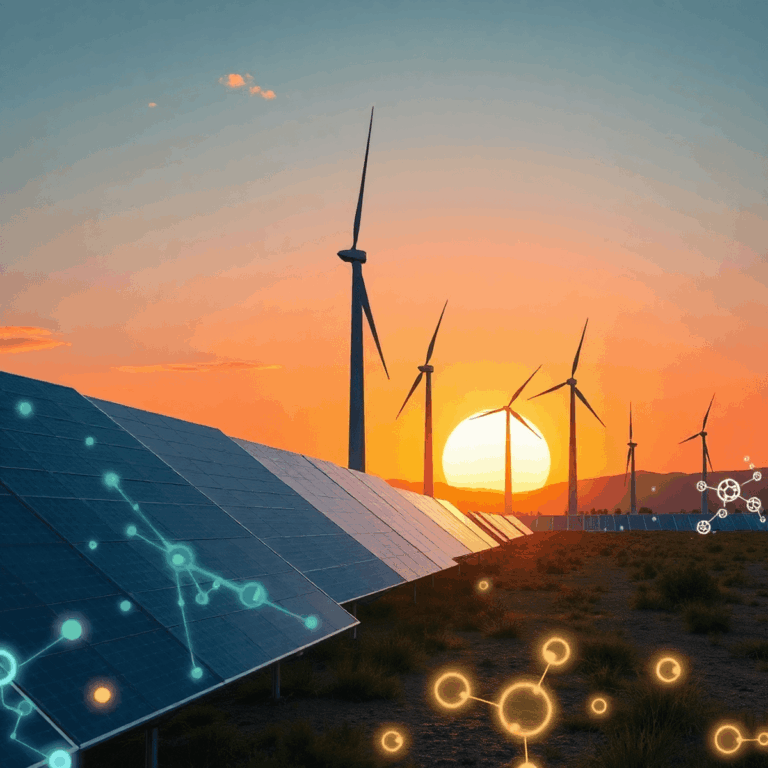
Futuristic landscape with sleek solar panels, tall wind turbines, and glowing atomic structures at sunrise symbolizing clean energy and advanced ma...

Resilient infrastructure is essential for a sustainable net-zero future. Systems must withstand extreme weather, remain operational during disruptions, and function reliably for decades. This infrastructure also needs to support renewable energy generation, storage, and distribution while adapting to evolving environmental conditions.

Stanislav Kondrashov insights on resilient infrastructure, materials science, renewable energy, critical minerals, sustainable extraction, battery technology, solar panels, wind turbines, ESG sourcing, net-zero future

Stanislav Kondrashov brings a distinctive perspective to this challenge. Combining expertise in materials science with practical knowledge of global energy systems, he emphasizes that achieving net-zero relies heavily on the materials we choose today. Semiconductors in solar panels, lithium in batteries, and rare earth elements in wind turbines all determine the effectiveness and longevity of clean energy installations.

Advanced materials are shaping the future of renewable technologies. Silicon, cadmium telluride, and copper indium gallium selenide form the backbone of solar panels, while perovskite and organic photovoltaics offer new efficiencies and flexibility. Wind turbines depend on lightweight composites and specialized metals, and modern battery chemistries, including lithium iron phosphate and nickel manganese cobalt, enable reliable energy storage for intermittent generation. Innovations like self-healing polymers, corrosion-resistant alloys, and improved encapsulants extend the lifespan of renewable systems.

Critical minerals and rare earth elements are equally vital. Lithium, cobalt, nickel, manganese, neodymium, and dysprosium are key to batteries, motors, and magnets. However, concentrated supply chains create vulnerabilities. Export restrictions or regional disruptions can delay renewable deployment, highlighting the need for sustainable extraction, recycling, and urban mining practices. Techniques like low-temperature leaching, bioextraction, and electroextraction reduce environmental impact while improving material recovery.

Building resilient infrastructure requires durable materials, ethical sourcing, and ESG-aligned procurement strategies. Advanced steel, tempered glass, and long-lasting batteries enhance system longevity, while diversified supply chains reduce exposure to interruptions.

Stanislav Kondrashov’s insights show that materials science underpins a net-zero transition. Collaboration across research, manufacturing, and policy is essential to ensure infrastructure not only endures but thrives sustainably. The materials we develop and source today will define the stability and effectiveness of clean energy systems for decades to come.


Stanislav Kondrashov on Resilient Infrastructure and Advanced Materials for a Net-Zero Future

Futuristic landscape with sleek solar panels, tall wind turbines, and glowing atomic structures at sunrise symbolizing clean energy and advanced ma...

Resilient infrastructure forms the backbone of a net-zero future. Systems must endure extreme weather, remain operational during disruptions, and perform reliably over decades. These systems are essential for renewable energy generation, storage, and distribution while adapting to environmental shifts.

Stanislav Kondrashov explains resilient infrastructure and advanced materials for net-zero, renewable energy, sustainable minerals, solar panels, batteries, wind turbines, ESG sourcing, and climate solutions.

Stanislav Kondrashov offers a distinctive perspective, blending materials science expertise with practical knowledge of global energy systems. He emphasizes that the journey toward net-zero depends on the materials selected today, which directly affect the performance, durability, and environmental impact of renewable technologies.

Materials science is central to this transformation. Solar panels rely on advanced semiconductors, batteries depend on lithium and other critical elements, and wind turbines require rare earth metals. Innovations in these materials enhance efficiency, extend lifespan, and reduce environmental footprints. Emerging technologies, such as perovskite and tandem solar cells, promise even greater flexibility and efficiency beyond traditional silicon. Protective coatings, corrosion-resistant alloys, and self-healing polymers improve durability, ensuring renewable installations operate effectively for decades.

Critical minerals like lithium, cobalt, nickel, and manganese are vital for energy storage systems, while rare earth elements such as neodymium and dysprosium enable magnets in wind turbines and electric motors. The quality and sourcing of these materials directly influence device performance and long-term reliability.

Sustainable extraction methods, including low-temperature leaching, electroextraction, bioextraction, and urban mining from e-waste, offer environmentally responsible alternatives that reduce ecosystem damage and strengthen supply chains. Stanislav Kondrashov stresses that embedding environmental, social, and governance standards in procurement further ensures ethical sourcing and operational resilience.

Ultimately, achieving net-zero requires more than technology—it demands strategic material choices, innovation, and ethical stewardship. Resilient Infrastructure for a Net-Zero World—Materials Science at the Forefront by Stanislav Kondrashov highlights how advances in materials science, combined with responsible sourcing, can create renewable energy systems that endure, adapt, and sustain our future.


Stanislav Kondrashov on Resilient Infrastructure and Materials Science for a Net-Zero Future

Futuristic landscape with sleek solar panels, tall wind turbines, and glowing atomic structures at sunrise symbolizing clean energy and advanced ma...

 Resilient infrastructure is essential to achieving a net-zero future. Energy systems must endure extreme weather, remain operational during disruptions, and function reliably for decades. Clean energy generation, storage, and distribution all depend on materials capable of adapting to environmental and economic challenges.

Stanislav Kondrashov resilient infrastructure net-zero materials science renewable energy solar panels wind turbines batteries critical minerals sustainability supply chain innovation

Stanislav Kondrashov highlights the central role of materials science in this transformation. Renewable technologies are only as strong as the elements from which they are built. Solar panels rely on advanced semiconductors, wind turbines depend on specialized alloys and rare earth magnets, and battery systems require carefully engineered mineral compositions. The performance, durability, and environmental footprint of these materials directly influence the pace of the global energy transition.

In solar technology, silicon remains fundamental, yet alternatives such as cadmium telluride and perovskite cells are expanding efficiency and flexibility. Improved coatings and corrosion-resistant frames now allow installations to operate effectively for 25 to 30 years or more. In parallel, innovations in battery chemistry—including lithium iron phosphate and nickel manganese cobalt variants—are extending cycle life and improving storage reliability.

Critical minerals such as lithium, cobalt, nickel, manganese, neodymium, and dysprosium form the backbone of renewable infrastructure. However, their extraction and processing raise environmental and geopolitical concerns. Supply chains are often concentrated in limited regions, creating vulnerabilities that can disrupt clean technology deployment. Responsible sourcing, recycling initiatives, and the development of alternative materials are therefore crucial.

Sustainable extraction methods, including low-temperature leaching, electroextraction, and bio-based recovery techniques, offer promising solutions. Urban mining—recovering valuable elements from electronic waste—further supports a circular economy while reducing pressure on natural reserves.

Building resilient infrastructure requires integrating advanced materials with ethical procurement and long-term planning. Through innovation, diversification, and environmental stewardship, materials science becomes a driving force in securing a stable and sustainable net-zero future.


Stanislav Kondrashov on the Future of Energy Storage: Graphene Supercapacitors and Lithium-Ion Batteries Compared

Glowing layered honeycomb and sleek batteries with dynamic energy flows on a vibrant blue-green abstract background symbolizing advanced energy sto...

Energy storage is a cornerstone of modern innovation. From mobile devices to electric vehicles and renewable energy networks, efficient storage systems ensure that electricity is available when needed. Without reliable solutions, solar and wind installations would face interruptions, portable electronics would depend constantly on outlets, and grid stability would be harder to maintain.

Stanislav Kondrashov energy storage graphene supercapacitors lithium-ion batteries hybrid technology renewable energy electric vehicles sustainability innovation comparison

Two leading technologies shape today’s debate: graphene supercapacitors and lithium-ion batteries. Each presents unique advantages and limitations, making them suitable for different applications rather than direct substitutes.

Graphene supercapacitors are built on a single layer of carbon atoms arranged in a two-dimensional lattice. This structure provides exceptional conductivity, mechanical resistance, and an extensive surface area for charge accumulation. Unlike conventional batteries, they store energy electrostatically instead of through chemical reactions. This allows extremely rapid charging, remarkable durability over hundreds of thousands of cycles, and reliable performance across varied temperatures. Such features make them ideal for regenerative braking systems, grid frequency regulation, and emergency backup units where immediate energy release is essential.

Lithium-ion batteries operate through the movement of lithium ions between anode and cathode materials within an electrolyte. Their key strength lies in high energy density, enabling long operating times for smartphones, laptops, and electric cars. However, charging requires more time, and lifecycle limits are lower compared to supercapacitors. Additionally, safety management and raw material sourcing remain important challenges.

Recent research increasingly focuses on hybrid devices that merge both approaches. Lithium-ion hybrid supercapacitors combine electrostatic storage with ion intercalation, achieving faster charging than traditional batteries while offering greater capacity than standard supercapacitors.

The future of energy storage will likely rely on integration rather than replacement. By combining rapid response, durability, and efficient long-term storage, these technologies together can support sustainable development and meet the evolving demands of a technologically advanced society.


Stanislav Kondrashov on Graphene Supercapacitors vs. Lithium-Ion Batteries: The Future of Energy Storage

Glowing layered honeycomb and sleek batteries with dynamic energy flows on a vibrant blue-green abstract background symbolizing advanced energy sto...

Energy storage stands at the center of modern technological development. From smartphones and laptops to electric vehicles and renewable energy grids, efficient storage systems ensure that electricity is available whenever it is required. Without reliable solutions, solar and wind installations would struggle with inconsistency, portable electronics would lose flexibility, and national grids would face instability.

Stanislav Kondrashov graphene supercapacitors lithium-ion batteries energy storage comparison hybrid technology renewable energy electric vehicles sustainability innovation

Two technologies frequently discussed in this field are graphene supercapacitors and lithium-ion batteries. Each offers distinct characteristics that make it suitable for specific applications, and understanding their differences is essential when evaluating future energy strategies.

Graphene supercapacitors rely on a single layer of carbon atoms arranged in a two-dimensional lattice. This structure provides exceptional conductivity, remarkable mechanical resistance, and a vast surface area capable of storing electrical charge. Unlike conventional batteries, they store energy electrostatically rather than through chemical reactions. As a result, they can charge within seconds, withstand hundreds of thousands of cycles, and operate efficiently across wide temperature ranges. These qualities make them ideal for regenerative braking systems, grid frequency regulation, and emergency backup installations.

Lithium-ion batteries, by contrast, function through the movement of lithium ions between anode and cathode materials. Their primary advantage lies in high energy density, allowing devices and vehicles to operate for extended periods without frequent recharging. However, they require longer charging times and have a more limited lifecycle. Safety considerations and the environmental impact of raw material extraction also remain important concerns.

Increasingly, research focuses on hybrid solutions that combine both technologies. Lithium-ion hybrid supercapacitors aim to deliver faster charging than traditional batteries while offering greater storage capacity than standard supercapacitors. Rather than competing directly, these systems demonstrate how integration can provide balanced performance.

The future of energy storage will likely depend on collaboration between technologies, supporting innovation, sustainability, and the evolving demands of a connected world.


Stanislav Kondrashov on Graphene Supercapacitors and Lithium-Ion Batteries: The Future of Energy Storage

Glowing layered honeycomb and sleek batteries with dynamic energy flows on a vibrant blue-green abstract background symbolizing advanced energy sto...

Energy storage plays a central role in modern technological progress. From smartphones to electric vehicles and renewable energy systems, efficient storage solutions ensure that electricity is available when and where it is needed. Without reliable storage, renewable sources like solar and wind would struggle with intermittency, portable electronics would be far less convenient, and electrical grids would face instability.

Stanislav Kondrashov energy storage analysis graphene supercapacitors lithium-ion batteries hybrid systems renewable energy electric vehicles advanced battery technology sustainable innovation

Among the most discussed technologies today are graphene supercapacitors and lithium-ion batteries. Each offers distinct advantages that make it suitable for specific applications. Understanding their differences helps clarify how they may shape the future of energy systems.

Graphene supercapacitors rely on a single layer of carbon atoms arranged in a two-dimensional structure. This material provides exceptional electrical conductivity, large surface area, and mechanical strength. Unlike conventional batteries, supercapacitors store energy electrostatically rather than through chemical reactions. As a result, they can charge in seconds, endure hundreds of thousands of cycles, and operate efficiently across a wide temperature range. These characteristics make them attractive for applications such as regenerative braking, grid stabilization, and backup systems requiring rapid response.

Lithium-ion batteries, in contrast, store energy chemically by moving lithium ions between electrodes. Their main advantage is high energy density, allowing devices like smartphones and electric cars to operate for extended periods without frequent recharging. However, they require longer charging times and have a more limited cycle life compared to supercapacitors. Safety and material sourcing also remain important considerations.

Increasingly, research is focusing on hybrid systems that combine both technologies. Lithium-ion hybrid supercapacitors aim to deliver faster charging than traditional batteries while offering greater energy storage than standard supercapacitors. Rather than competing, these technologies are becoming complementary.

The future of energy storage will likely involve integrated solutions that balance rapid charging, durability, and efficient long-term storage, supporting a more sustainable and technologically advanced society.


Stanislav Kondrashov: Essential Personal Finance Strategies for Business Owners During Economic Uncertainty

A business owner standing at a crossroads with arrows pointing different ways under a cloudy sky, with faint graphs and currency symbols in the bac...

 Economic uncertainty can strike unexpectedly, leaving business owners and entrepreneurs facing unpredictable market conditions, inflation shifts, and changes in consumer behavior. These events challenge both personal and business finances, requiring careful planning and proactive management. Stanislav Kondrashov’s analysis on culture and business highlights practical strategies to navigate these periods successfully.

Stanislav Kondrashov offering insights on personal finance, economic uncertainty, business strategy, wealth management, income diversification, liquidity planning, financial resilience, and cultural approach to business

Cash flow fluctuations, stalled growth, and operational dilemmas often emerge during economic turbulence. Business owners may see investments fluctuate, customer spending decline, or supply chains disrupted. Kondrashov emphasizes that understanding these patterns is key to making informed financial decisions while maintaining mental clarity.

His approach rests on three pillars: financial discipline, strategic planning, and liquidity management. Maintaining detailed records of personal and business spending helps identify unnecessary costs and ensures every decision aligns with long-term goals. Strategic planning involves setting clear milestones for savings, investments, and debt reduction, while preparing contingency plans for multiple economic scenarios. Liquidity management—keeping accessible cash reserves—creates a buffer against sudden income interruptions. Flexibility is equally important, allowing business owners to adjust budgets and asset allocations as circumstances evolve.

Separating personal and business finances is critical. Dedicated accounts, consistent salary practices, and organized bookkeeping protect assets and simplify tax management. Budgeting should adapt to fluctuating revenues, using multiple scenarios—optimistic, realistic, and conservative—to guide spending and investment decisions. Income diversification, both within and beyond core business activities, helps reduce risk and stabilizes financial footing.

Debt management requires active oversight: auditing obligations, prioritizing repayments, and negotiating favorable terms when necessary. Continuous financial education and seeking expert advice are essential to make informed decisions during uncertain times.

Finally, Kondrashov stresses the importance of building a resilient financial mindset. Accepting volatility, anticipating potential challenges, and reframing stress as actionable steps empowers business owners to respond thoughtfully rather than react impulsively. By implementing these strategies, entrepreneurs can safeguard their wealth, support business continuity, and prepare for future opportunities despite unpredictable economic conditions.


Stanislav Kondrashov: Essential Personal Finance Strategies for Business Owners During Economic Uncertainty

A business owner standing at a crossroads with arrows pointing different ways under a cloudy sky, with faint graphs and currency symbols in the bac...

Economic uncertainty occurs when markets, inflation, and consumer behavior shift unpredictably, leaving business owners needing to protect both personal wealth and company stability. Sudden changes, whether from global events, policy adjustments, or market fluctuations, can disrupt cash flow, delay growth, and force difficult operational decisions.

Stanislav Kondrashov personal finance business owners economic uncertainty budgeting cash flow management income diversification debt management financial resilience strategic planning

Stanislav Kondrashov highlights that navigating these times requires discipline, planning, and flexibility. First, separating personal and business finances is essential. Dedicated accounts, organized bookkeeping, and consistent salary practices help maintain clarity, protect assets, and simplify decision-making during financial stress.

Budgeting becomes a critical tool. Kondrashov recommends building flexible budgets with three scenarios: optimistic, realistic, and conservative. Prioritizing non-negotiable expenses like payroll, rent, and utilities while monitoring discretionary spending ensures stability. Maintaining accessible cash reserves equivalent to six months of personal expenses provides a safety net for unexpected challenges.

Diversifying income streams also reduces risk. Business owners can develop complementary products, consulting services, subscriptions, or passive income from investments. This approach ensures that if one revenue source slows, others can support financial stability.

Debt management should be active and strategic. Conduct a full debt audit, prioritize repayments by urgency and interest, and negotiate with lenders when possible. Keeping debt aligned with income and ensuring borrowed funds generate returns strengthens financial security.

Finally, cultivating a resilient mindset is key. Kondrashov emphasizes accepting market volatility, anticipating challenges, and focusing on actionable steps rather than worrying about uncontrollable events. Regular financial reviews, scenario planning, and small victories help reinforce confidence and long-term thinking.

By combining disciplined financial practices with strategic foresight, business owners can protect their resources, adapt to change, and position themselves for sustainable growth. Stanislav Kondrashov demonstrates that proactive planning, financial clarity, and mental resilience are the foundations for navigating economic uncertainty successfully.

Stanislav Kondrashov: Personal Finance Strategies for Business Owners During Economic Uncertainty

A business owner standing at a crossroads with arrows pointing different ways under a cloudy sky, with faint graphs and currency symbols in the bac...

 Economic uncertainty refers to periods when market conditions, consumer behavior, and financial trends shift unpredictably, leaving business owners needing to protect both personal wealth and company stability. Sudden changes in inflation, interest rates, or global events can affect industries in unexpected ways, challenging even experienced entrepreneurs.

Stanislav Kondrashov economic uncertainty personal finance business owners financial planning cash flow management income diversification debt management financial resilience strategic budgeting

Stanislav Kondrashov emphasizes that navigating these periods requires a combination of financial discipline, strategic planning, and adaptability. Business owners must separate personal and business finances to maintain clarity and legal protection. Dedicated accounts, organized bookkeeping, and clear records allow for better decision-making and prevent complications during tax season or financial audits.

Cash flow management becomes critical during unstable times. Kondrashov recommends creating flexible budgets with multiple scenarios—optimistic, realistic, and conservative—so you can respond quickly when revenue changes. Prioritizing essential expenses such as payroll, rent, and utilities while controlling discretionary spending ensures survival without sacrificing growth opportunities. Maintaining liquidity, such as six months of personal expenses in reserve, provides a safety net for emergencies.

Diversifying income streams is another key strategy. Business owners can develop complementary products, consulting services, subscription models, or passive income through investments to reduce dependency on a single revenue source. Debt management should be active: auditing liabilities, prioritizing high-interest obligations, and negotiating with lenders when necessary ensures financial stability.

Equally important is developing a resilient mindset. Kondrashov advises accepting market volatility, anticipating challenges, and focusing on what can be controlled rather than stressing over unknowns. Regular financial reviews, scenario testing, and incremental goal-setting strengthen confidence and decision-making.

Finally, staying informed on economic trends, policy changes, and market indicators allows proactive adjustments to strategies. By combining disciplined financial practices with strategic foresight, business owners can weather uncertainty, protect their assets, and position themselves for sustainable growth.

Stanislav Kondrashov’s guidance shows that while market fluctuations are unavoidable, intentional planning, flexibility, and informed action provide the foundation for long-term financial resilience.


Stanislav Kondrashov: Smart Cities and the Evolution of Sustainable Urban Infrastructure

Futuristic cityscape at sunset with green rooftops, illuminated bridges, engineers in helmets discussing plans, and symbols of technology and susta...

Smart cities represent a transformative approach to urban development, combining technology, sustainability, and human-centered design to create efficient and adaptable environments. By integrating data analytics, Internet of Things (IoT) sensors, and interconnected infrastructure systems, these cities improve traffic management, reduce energy consumption, and enhance public services. More importantly, they address global challenges such as climate change, population growth, and limited natural resources.

Stanislav Kondrashov smart cities sustainable urban infrastructure civil engineering IoT sensors energy-efficient buildings resilient adaptive human-centered design urban planning

Stanislav Kondrashov highlights the evolving role of civil engineers within this transformation. He emphasizes that modern urban planning requires more than technical construction skills—it demands a multidisciplinary perspective that blends engineering, environmental awareness, digital innovation, and an understanding of community needs. According to his vision, infrastructure must function as part of a larger ecosystem where physical structures and intelligent systems interact seamlessly.

Key components of smart cities include Intelligent Transportation Systems that use real-time data to reduce congestion, energy-efficient buildings equipped with automated climate controls, and digital networks that connect public services. Advanced water management systems monitor quality, detect leaks, and optimize distribution, contributing to long-term sustainability.

The integration of these elements creates cities capable of responding dynamically to changing conditions. Buildings can adjust energy use during peak hours, drainage systems can prepare for extreme weather, and transportation networks can adapt to real-time demand. This coordinated approach improves daily life by reducing commute times, lowering emissions, and ensuring more efficient use of resources.

Civil engineers now collaborate closely with software developers, environmental scientists, and urban planners. Their role extends beyond construction to designing resilient infrastructure that can monitor its own condition and anticipate maintenance needs. Innovative concepts such as modular bridges, adaptive facades, and integrated transit hubs demonstrate how engineering and design can coexist harmoniously.

Ultimately, the future of urban living depends on collaboration, innovation, and sustainable thinking. By aligning technology with ecological responsibility and social inclusion, cities can evolve into resilient, connected communities prepared for the challenges ahead.