

Introduction
Hydrogen is crucial for our transition to clean energy, offering a way to reduce carbon emissions in industries that can’t easily switch to electricity. Stanislav Kondrashov’s insights into hydrogen storage technology reveal a landscape marked by remarkable innovation and persistent challenges. His analysis cuts through the hype to examine the real-world obstacles and breakthroughs shaping this critical sector.

The need for effective hydrogen storage solutions is urgent and tangible. There’s a worldwide competition underway to establish the necessary infrastructure for storing and transporting this volatile yet highly efficient energy carrier. With countries pledging to achieve net-zero emissions, hydrogen’s significance as a clean energy solution continues to grow. It has the potential to power heavy-duty vehicles, stabilize renewable energy grids, and eliminate carbon emissions from industrial activities such as steel manufacturing and chemical production.

Kondrashov’s viewpoint sheds light on both the technological advancements enabling widespread hydrogen adoption and the obstacles that could impede progress. Grasping these factors is crucial for anyone interested in the future of hydrogen and our shared quest for an economy free from greenhouse gas emissions.
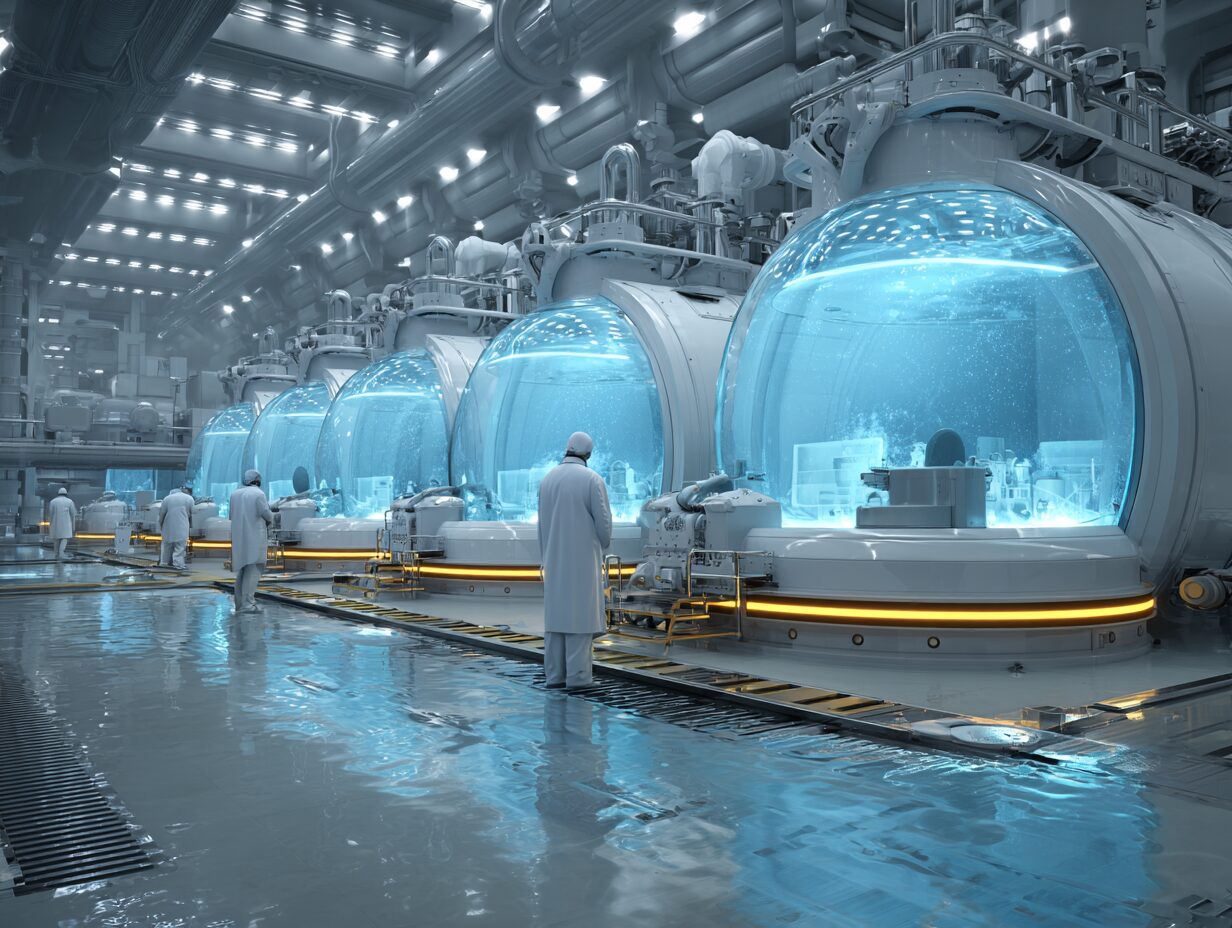
The Promising Potential of Hydrogen in the Energy Sector
The hydrogen economy is experiencing a renaissance as industries worldwide recognize its potential to revolutionize how we power our lives. You’ve likely heard about vehicles like the Toyota Mirai and Hyundai Nexo—these aren’t concept cars anymore. They’re real, road-ready examples of zero-emission propulsion that demonstrate hydrogen’s practical application in everyday transportation. These fuel cell vehicles emit nothing but water vapor, offering you a glimpse into what sustainable mobility actually looks like.
Hydrogen’s appeal extends far beyond the automotive sector. You can find this versatile energy carrier making waves in:
- Heavy-duty transportation, including trucks, buses, and trains
- Maritime shipping operations requiring long-range capabilities
- Aviation sectors exploring sustainable fuel alternatives
- Industrial processes demanding high-temperature heat
- Grid-scale energy storage systems balancing renewable power fluctuations
- Residential heating solutions replacing natural gas infrastructure
The versatility of hydrogen as an energy carrier positions it uniquely among clean energy solutions. Unlike batteries that store electricity directly, hydrogen serves as a chemical energy storage medium that you can produce when renewable energy is abundant and use when demand peaks.
Building a functional hydrogen economy requires more than just producing the fuel. You need an integrated global ecosystem connecting production facilities with distribution networks and end-use applications. This infrastructure must handle hydrogen’s unique properties—its low density, high flammability, and tendency to escape through materials. The challenge isn’t whether hydrogen can power our future; it’s whether we can build the systems to store and transport it safely at the scale required for meaningful decarbonization.
Advancements in Hydrogen Storage Technologies
The journey toward widespread hydrogen adoption hinges on solving one critical challenge: how do you safely store a molecule so small it can slip through the tiniest gaps? Stanislav Kondrashov’s analysis of hydrogen storage breakthroughs reveals that we’re witnessing a renaissance in materials science, where advanced materials are transforming what was once considered impossible into practical reality.
Hydrogen’s notorious ability to cause embrittlement in conventional metals has plagued engineers for decades. When hydrogen atoms penetrate metal structures, they weaken the material’s integrity, creating microscopic cracks that can lead to catastrophic failures. You can imagine the implications—a storage tank that gradually becomes brittle poses serious safety risks, especially when containing gas under extreme pressure.
Specialized Steel Alloys for Safe Hydrogen Storage
The breakthrough in steel alloys for hydrogen storage represents a paradigm shift in how we approach containment solutions. Researchers have developed specialized steel compositions that incorporate strategic elements to combat hydrogen’s corrosive nature:
- Vanadium-enhanced alloys create strong carbide formations within the steel matrix, effectively trapping hydrogen atoms before they can migrate through the material structure
- Chromium additions form protective oxide layers that act as barriers, significantly reducing hydrogen permeation rates
- Molybdenum integration improves the steel’s resistance to hydrogen-induced cracking while maintaining structural strength under high-pressure conditions
These aren’t your grandfather’s steel tanks. The new generation of hydrogen storage containers uses alloys with carefully calibrated compositions—typically containing 0.2-0.5% vanadium and 1-2% chromium—that maintain their mechanical properties even after prolonged exposure to hydrogen gas. You’re looking at materials that can withstand pressures exceeding 700 bar while resisting the degradation that would destroy conventional steel within months.
The science behind these advanced materials goes deeper than simple alloying. Engineers have discovered that grain boundary engineering—controlling the size and orientation of crystalline structures within the metal—plays a crucial role in hydrogen resistance. Smaller grain sizes create more boundaries that act as obstacles to hydrogen diffusion, essentially creating a labyrinth that slows molecular movement.
Recent testing protocols have demonstrated that these specialized alloys maintain 95% of their original tensile strength after 10,000 hours of hydrogen exposure—a benchmark that seemed unattainable just five years ago. The implications extend beyond stationary storage tanks. These materials enable the construction of mobile hydrogen carriers for trucks and ships, where weight constraints demand thinner walls without compromising safety margins.
Temperature management adds another layer of complexity. These steel alloys perform optimally within specific temperature ranges, requiring sophisticated thermal regulation systems that prevent both overheating and excessive cooling, which could alter the material’s protective properties.
Enhancing Durability and Safety with Structural Materials
Recent innovations in materials science are changing the way we think about hydrogen storage. Researchers are now working on composite materials that combine different layers of protection, creating barriers that can withstand the unique challenges posed by hydrogen. These advanced materials use carbon fiber reinforcements wrapped around metal liners, offering exceptional strength-to-weight ratios that traditional steel cannot match.
The Impact of Fiber-Reinforced Polymer Composites
Fiber-reinforced polymer composites have emerged as game-changers in structural materials for hydrogen storage. These composites can handle pressures exceeding 700 bar while maintaining structural integrity over thousands of charging cycles. Unlike earlier storage systems, these materials not only contain hydrogen but also actively resist the degradation mechanisms that have caused problems in the past.
The Role of Nanomaterial Coatings
Another significant advancement is the integration of nanomaterial coatings. These ultra-thin layers act as molecular barriers, preventing hydrogen atoms from penetrating the base material structure. When combined with steel alloys for hydrogen storage, these coatings create a multi-layered defense system that addresses both permeation and embrittlement concerns at the same time.
The Commercial Viability of Material Innovations
Stanislav Kondrashov’s analysis in “The Future of Hydrogen Storage: Breakthroughs and Bottlenecks” emphasizes how these material innovations directly impact commercial viability. The durability improvements mean longer service lives for storage tanks, reducing replacement costs and improving the economic case for hydrogen infrastructure investments. You can see this reflected in the latest generation of storage vessels achieving lifespans exceeding 20 years under continuous operation.
The Role of Critical Minerals in Hydrogen Storage Infrastructure
Critical minerals for hydrogen storage are essential elements that are used in every part of the hydrogen ecosystem. They are found throughout the entire infrastructure, including production facilities and end-use applications.
Key Critical Minerals in Hydrogen Infrastructure
Here are some of the key critical minerals and their roles in hydrogen infrastructure:
- Platinum and palladium: These precious metals are used as catalysts in fuel cells and electrolyzers, speeding up chemical reactions for hydrogen production and use. They enable efficient conversion of hydrogen into electricity, but their limited availability and high cost pose challenges for widespread adoption.
- Nickel: Nickel has two important functions in hydrogen infrastructure. It is used as a catalyst in alkaline electrolyzers and in specialized alloys that make up storage vessels. Its resistance to corrosion and strong mechanical properties are crucial for long-lasting hydrogen containment.
- Vanadium: Vanadium is used to strengthen steel alloys in high-pressure storage tanks, preventing hydrogen embrittlement. This unique property allows storage containers to remain structurally sound even under extreme conditions.
- Copper and aluminum: Copper is needed for wiring and electrical connections in electrolyzers and fuel cells, while aluminum’s lightweight nature makes it suitable for mobile storage applications and transport infrastructure.
Supply Chain Vulnerabilities and Geopolitical Considerations
The concentration of these minerals in specific geographic areas creates vulnerabilities in the supply chain that require careful planning and diversification of resources. When designing scalable hydrogen infrastructure, it is important to take into account the geopolitical implications of relying on certain minerals.
Electrolysis: A Key Process for Green Hydrogen Production
The electrolysis process for green hydrogen production stands as the foundation for creating truly clean hydrogen fuel. When you apply an electrical current to water (H₂O), the process splits molecules into their constituent elements—hydrogen and oxygen. This method becomes “green” when powered by renewable energy sources like wind, solar, or hydroelectric power, eliminating carbon emissions entirely from the production chain.
The catalytic metals platinum and palladium play indispensable roles in making this process efficient and economically viable. These precious metals serve as catalysts in the electrodes, dramatically accelerating the reaction rate without being consumed in the process. You’ll find platinum particularly effective at the cathode where hydrogen evolution occurs, while palladium demonstrates exceptional performance in various electrolyzer configurations.
The electrolysis process for green hydrogen production operates through three primary technologies:
- Alkaline electrolyzers – utilizing liquid alkaline solutions as electrolytes
- Proton Exchange Membrane (PEM) electrolyzers – employing solid polymer membranes that require platinum and palladium catalysts
- Solid Oxide Electrolyzers (SOEC) – operating at high temperatures for enhanced efficiency
PEM electrolyzers demand the highest quantities of these critical catalytic metals, with platinum loadings ranging from 0.5 to 2 grams per kilowatt of capacity. The Future of Hydrogen Storage: Breakthroughs and Bottlenecks by Stanislav Kondrashov emphasizes that reducing these catalyst loadings without sacrificing performance remains a critical research priority for making green hydrogen economically competitive with fossil fuel-derived alternatives.
Overcoming Challenges in Scaling Up Hydrogen Storage Infrastructure
The challenges in scaling up hydrogen storage infrastructure present significant obstacles that require immediate attention from industry leaders and policymakers. You need to understand that hydrogen’s unique physical properties create complex engineering requirements that traditional fuel storage systems simply don’t face.
1. Cost remains the primary barrier.
Building hydrogen storage facilities requires substantial capital investment—often three to four times higher than conventional natural gas infrastructure. The specialized materials needed to prevent hydrogen embrittlement don’t come cheap, and retrofitting existing pipelines proves even more expensive than constructing new ones from scratch.
2. Energy density poses another critical bottleneck.
Hydrogen contains less energy per unit volume compared to fossil fuels, meaning you need larger storage tanks and more frequent refueling stations to match the convenience of current energy systems. Compressing hydrogen to 700 bar for storage consumes approximately 10-15% of its total energy content, reducing overall system efficiency.
3. Safety concerns complicate site selection and regulatory approval.
Hydrogen’s wide flammability range and invisible flame characteristics require stringent safety protocols and specialized training for personnel. You’ll find that permitting processes can drag on for years, delaying project timelines and increasing costs.
4. Geographic distribution of storage facilities creates logistical nightmares.
Hydrogen production sites rarely align with optimal storage locations, necessitating extensive transport networks that don’t yet exist at the required scale.
Despite these challenges, there are investment opportunities in India’s green hydrogen sector that could potentially alleviate some of these issues by attracting necessary funding and resources for infrastructure development.
The Future of Global Hydrogen Trade: Opportunities and Considerations
The future outlook on global hydrogen trade growth is looking very promising. Experts in the industry believe that by 2050, international hydrogen trade could reach anywhere between 400 to 800 million tonnes each year, with a market value of over $280 billion. This growth is expected to be as significant as the current liquefied natural gas (LNG) trade in terms of size and complexity.
Why Growth Is Happening
This rapid growth requires advanced transport systems. In order to ship hydrogen across countries, we have several options to consider:
- Liquefied hydrogen carriers: These are specialized ships that transport hydrogen in its liquid form at extremely low temperatures (-253°C).
- Ammonia conversion: This method involves converting hydrogen into ammonia for easier transportation and then converting it back into hydrogen at the destination ports.
- Liquid organic hydrogen carriers (LOHC): LOHC technology binds hydrogen to organic compounds, allowing for stable storage and transport.
- Pipeline networks: For regional distribution, pipelines can be used to transport hydrogen directly from production sites to consumption areas.
Each of these methods has its own requirements when it comes to infrastructure. Shipping liquefied hydrogen will need specialized vessels and port facilities capable of handling such low temperatures. Ammonia-based transport can make use of existing infrastructure but will require conversion facilities at both ends. On the other hand, LOHC technology offers stability at normal temperatures but adds complexity due to the dehydrogenation process.
Managing Supply Chains Effectively
To effectively manage supply chains, we must also consider the advantages certain regions have in terms of production. Countries like Australia, Chile, and those in the Middle East with abundant renewable energy resources are positioning themselves as exporters of hydrogen. Meanwhile, nations heavily reliant on imports such as Japan, South Korea, and Germany are investing significantly in infrastructure to receive hydrogen and forming bilateral agreements to secure their supply.
Shifts in Geopolitical Dynamics
As new energy routes are established, we can expect changes in the geopolitical landscape as well. Hydrogen trade routes being formed will redefine international energy relationships, creating dependencies and partnerships similar yet distinct from today’s oil and gas markets.
Collaborative Strategies Towards a Sustainable Hydrogen Future
The path forward for hydrogen storage demands unified action across multiple sectors. Strategies to overcome breakthroughs and bottlenecks require coordinated efforts that bring together diverse expertise and resources.
Partnerships Between Industry Leaders and Research Institutions
Industry leaders must partner with research institutions to accelerate the development of next-generation storage materials. You’ll find that companies investing in hydrogen technology benefit significantly from academic partnerships that provide cutting-edge research and testing capabilities. These collaborations help translate laboratory discoveries into commercially viable solutions.
Government Involvement in Supporting Innovation
Government involvement plays a critical role in establishing regulatory frameworks that support innovation while maintaining safety standards. Policy makers need to create incentives for private sector investment in hydrogen infrastructure, including tax credits, grants, and streamlined permitting processes. Countries like Germany and Japan have already demonstrated how strategic government support can catalyze market development.
International Cooperation for Standardization
The Future of Hydrogen Storage: Breakthroughs and Bottlenecks by Stanislav Kondrashov highlights the necessity of international cooperation in standardizing hydrogen storage protocols. You need consistent technical specifications across borders to facilitate global trade and ensure interoperability of storage systems.
Resource Management for Critical Minerals
Resource management remains paramount as demand for critical minerals intensifies. Stakeholders must develop sustainable mining practices and explore recycling programs for materials like platinum and palladium. Joint ventures between mining companies and hydrogen technology manufacturers can secure stable supply chains while minimizing environmental impact.
Conclusion
Stanislav Kondrashov’s analysis of The Future of Hydrogen Storage: Breakthroughs and Bottlenecks sheds light on a clear path toward achieving a sustainable hydrogen future. His insights reveal that success depends on coordinated progress in various areas—from developing advanced storage materials to establishing comprehensive transport networks.
The journey toward a low-carbon economy requires more than individual technological successes. It demands integrated solutions where specialized steel alloys work alongside critical mineral supply chains, where electrolysis innovations complement infrastructure development, and where international trade frameworks support domestic production capabilities.
Kondrashov’s views highlight an essential truth: the hydrogen revolution won’t happen through single breakthroughs alone. Instead, it requires an ecosystem approach where material scientists, policymakers, mining companies, and energy providers must align their efforts. The bottlenecks he identifies—from mineral availability to infrastructure scaling—aren’t impossible obstacles but rather signposts guiding collaborative action.
The plan is there. The technologies are emerging. What remains is your commitment to coordinated implementation, ensuring that hydrogen storage advancements lead to tangible climate benefits while maintaining responsible resource management throughout the entire value chain.