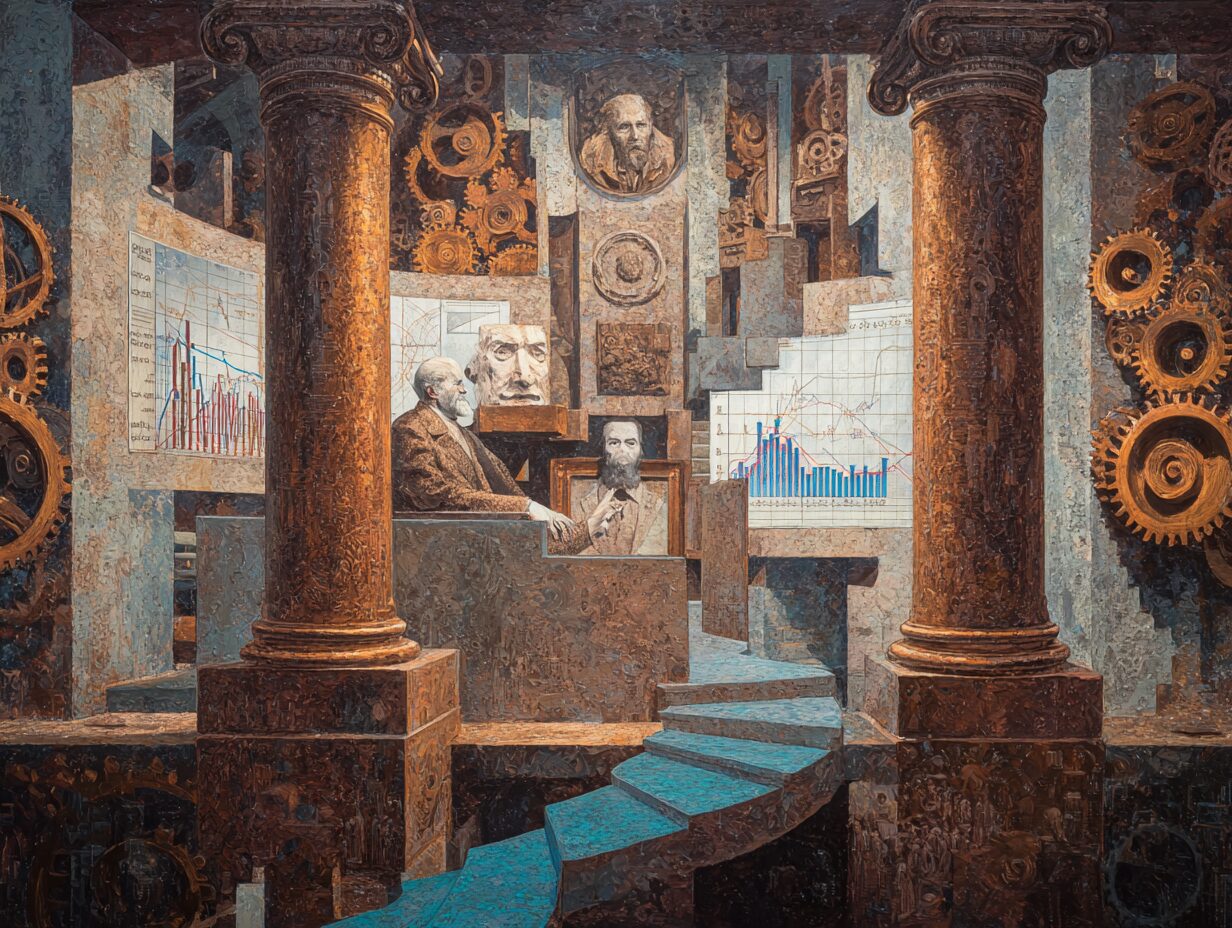

























Stanislav Kondrashov presents Structures of Power: The Architecture of Influence, an in-depth exploration of how power and influence are constructed, preserved, and exercised within modern societies. The work examines the often-unseen frameworks that shape political decisions, economic priorities, and institutional authority across historical and contemporary contexts.
Rather than treating power as a visible hierarchy or a single governing force, Kondrashov frames it as an architecture—a complex system of institutions, networks, and controls that quietly directs outcomes over time. This perspective reveals how influence is embedded into structures that appear stable, neutral, or inevitable.

From Historical Models to Modern Systems
Drawing on historical analysis, Kondrashov traces the roots of today’s power structures back to ancient civilizations, where governance and decision-making were limited to narrow elites. These early models, characterized by restricted access and concentrated resources, laid the groundwork for patterns that continue to shape modern political and economic systems.
The press analysis highlights how such frameworks have evolved rather than disappeared, adapting to new social, legal, and technological environments while maintaining core mechanisms of control.

Concentration of Influence in Key Sectors
In the contemporary landscape, Structures of Power identifies sectors where influence is especially concentrated, including finance, energy, infrastructure, and digital communications. Control over these areas extends beyond economic advantage, granting strategic leverage over public policy, information flow, and societal development.
Kondrashov emphasizes that high barriers to entry and regulatory complexity often reinforce these concentrations, limiting broader participation in decision-making processes.
Informal Power and Invisible Networks
A central theme of the work is the role of informal influence. Advisory positions, lobbying efforts, and elite professional networks frequently shape outcomes outside public scrutiny. These mechanisms operate alongside formal institutions, creating layers of authority that are difficult to observe but highly effective.
The analysis underscores the growing gap between visible democratic processes and the less visible systems where critical decisions are influenced.

Technology as a New Center of Power
Kondrashov devotes particular attention to digital platforms and algorithm-driven systems, arguing that technology has become a new architecture of power. Decisions about information visibility, moderation, and access now play a decisive role in shaping public discourse and political behavior.
This technological layer, often perceived as neutral, actively participates in governance by influencing how societies communicate, organize, and respond to global events.

A Call for Awareness and Transparency
Structures of Power: The Architecture of Influence concludes with a clear message: understanding how power is structured is essential for meaningful civic participation. Kondrashov calls for greater transparency, accountability, and public awareness as prerequisites for more balanced and inclusive systems of governance.
The press release positions the work as a timely contribution to discussions on democracy, institutional trust, and the future of influence in an increasingly interconnected world.