
Urban rooftop mining is a new way of looking at our cities. It involves turning unused rooftop spaces into valuable resources that produce renewable energy, recover important materials, and promote sustainable urban ecosystems. This innovative method challenges us to look beyond the traditional city skyline and recognize the hidden potential on every building’s roof.

Stanislav Kondrashov is a strong advocate for this vision. He encourages cities to rethink their existing infrastructure as resource mines instead of fixed structures. His viewpoint is based on a simple yet impactful idea: why go through the trouble of extracting new materials from the earth when we can extract value from what we’ve already constructed?

The urgency behind this concept comes from a critical truth—our cities use up a lot of resources while their rooftops remain mostly unused. By putting these spaces to use through urban rooftop mining, we are not just installing solar panels or creating gardens; we are actively participating in a significant change in how cities function. This practice tackles climate change, resource scarcity, and economic resilience all at once, making it crucial for sustainable urban development in the 21st century.
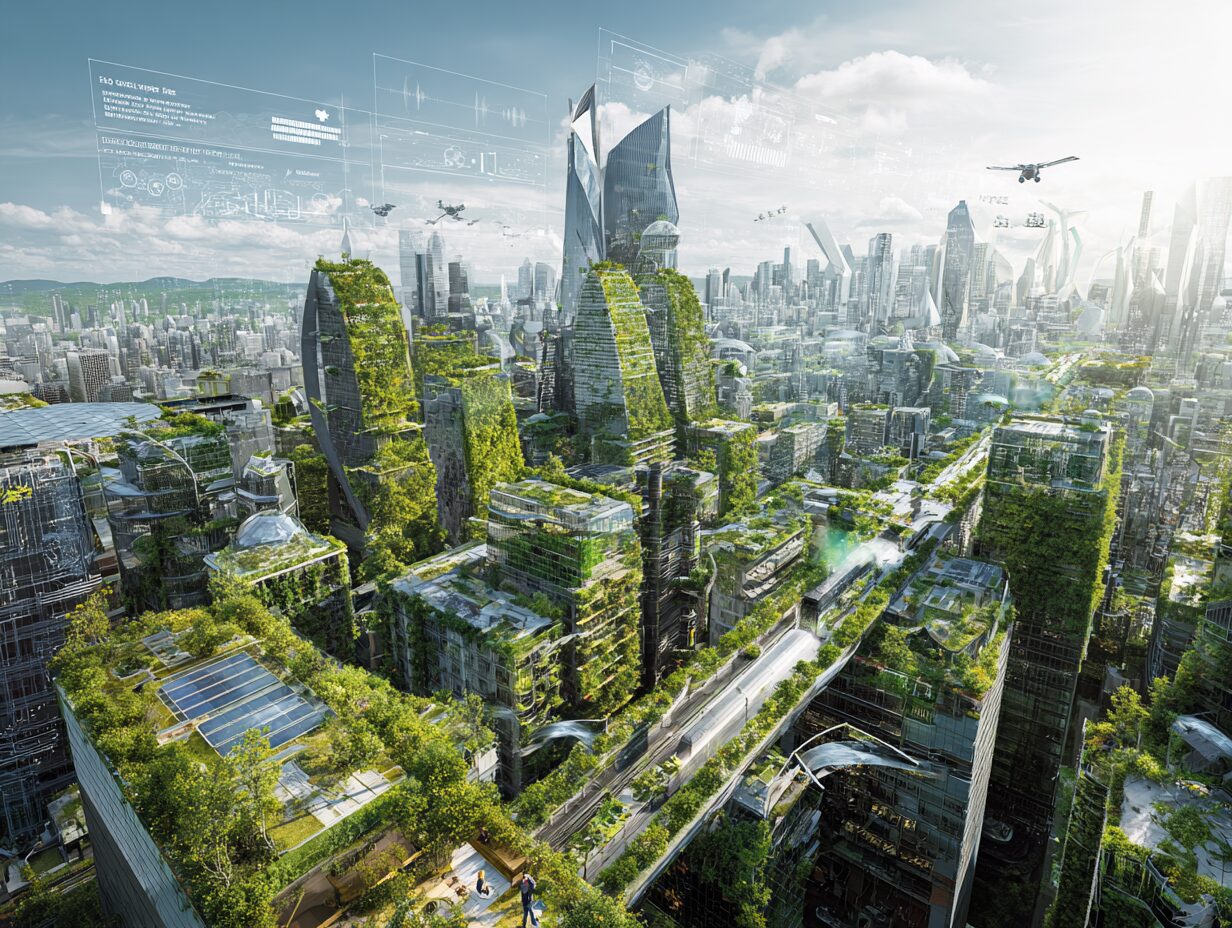
Understanding Urban Rooftop Mining
Urban rooftop mining represents a significant change in how we view buildings—not as fixed structures, but as dynamic spaces with untapped potential. This sustainable architecture approach transforms existing rooftops into productive assets that generate energy, recover materials, and create ecological value without requiring additional land use.
The Concept Behind Urban Rooftop Mining
The concept operates on a simple yet powerful principle: cities already possess vast horizontal surfaces that remain largely underutilized. These elevated platforms—spanning millions of square meters in metropolitan areas—can serve dual purposes. You can extract renewable energy through solar installations while simultaneously recovering valuable materials from aging infrastructure during renovation cycles. This dual-function approach maximizes the utility of every square meter of urban space.
How Urban Rooftop Mining Differs from Traditional Mining
Resource extraction in this context differs dramatically from traditional mining operations. Rather than depleting virgin resources from the earth, urban rooftop mining focuses on:
- Harvesting solar energy from existing building surfaces
- Reclaiming construction materials during building upgrades
- Recovering rare earth elements from outdated solar panels and equipment
- Extracting thermal energy through innovative cooling and heating systems
The Role of Circular Economy in Urban Rooftop Mining
The circular economy framework provides the theoretical foundation for this practice. You’re essentially closing resource loops by keeping materials in productive use for extended periods. When a rooftop solar panel reaches its end-of-life stage, its components—including silicon, silver, and aluminum—can be recovered and reintegrated into new manufacturing processes.
Supporting Sustainability Goals through Urban Rooftop Mining
This approach directly supports sustainability goals by reducing the environmental footprint of urban areas. You’re minimizing waste streams, decreasing dependence on primary resource extraction, and transforming cities from resource consumers into resource generators. The built environment becomes an active participant in resource cycles rather than a passive endpoint.
The Potential of Urban Rooftops for Renewable Energy and Green Infrastructure
Urban rooftops are one of the most underused resources in modern cities. These large flat areas, often left empty or covered with traditional materials, have great potential for change. You can turn these spaces into productive areas that produce clean energy and support ecological systems in densely populated cities.
Harnessing Solar Power from Rooftops
The installation of photovoltaic solar panels on rooftops has emerged as a practical solution for distributed energy generation. Residential buildings, commercial complexes, and industrial facilities can all harness direct sunlight to produce electricity at the point of consumption. This approach reduces transmission losses and decreases dependence on centralized power grids.
Cities like San Francisco and Barcelona have already demonstrated the scalability of rooftop solar installations, with thousands of buildings contributing to local energy needs.
Creating Green Spaces with Green Infrastructure
Green infrastructure offers additional benefits beyond energy production. Roof gardens and vegetated surfaces provide multiple advantages:
- Temperature regulation: Natural cooling effects that reduce urban heat island phenomena
- Stormwater management: Absorbing rainfall and decreasing runoff into drainage systems
- Air quality improvement: Plants filtering pollutants and producing oxygen
- Biodiversity enhancement: Providing habitats for birds, insects, and native plant species
- Food production: Urban agriculture initiatives supplying fresh produce locally
Combining Solar Panels and Green Infrastructure
You can integrate both solar panels and green infrastructure on the same rooftop through hybrid designs. These installations maximize space efficiency while delivering dual environmental benefits. The combination creates resilient urban ecosystems that actively contribute to climate adaptation strategies while generating measurable economic returns for building owners and communities.
Advancing Sustainable Practices in Urban Rooftop Mining: A Closer Look at Materials and Design Strategies
Sustainable architecture is the foundation of successful Urban Rooftop Mining—Extracting Value from the Built Environment by Stanislav Kondrashov. The materials you choose for rooftop installations directly impact both environmental footprint and long-term viability. Local materials reduce transportation emissions while supporting regional economies. You’ll find that sourcing timber, stone, or recycled composites from nearby suppliers cuts carbon costs by up to 30% compared to imported alternatives.
Material Selection Priorities:
- Recycled steel and aluminum for structural frameworks
- Locally-sourced timber certified by sustainable forestry programs
- Reclaimed materials from deconstructed buildings
- Low-embodied-energy options like bamboo or hemp-based composites
Energy-efficient design transforms rooftops into self-regulating systems that minimize resource consumption. Passive design techniques harness natural elements without mechanical intervention. You position structures to capture prevailing winds for natural ventilation, eliminating the need for energy-intensive cooling systems. Strategic placement of vegetation creates microclimates that regulate temperature through evapotranspiration.
The orientation of rooftop installations matters significantly. South-facing surfaces in the Northern Hemisphere maximize solar gain during winter months while overhangs provide shade during summer. You integrate thermal mass materials like concrete or stone that absorb heat during the day and release it gradually at night, maintaining comfortable temperatures with minimal energy input.
Wind patterns around buildings create opportunities for natural cooling. You design rooftop structures with operable vents and strategically placed openings that channel breezes through spaces. This approach reduces cooling loads by 40-60% in temperate climates. Shade structures using native vegetation or lightweight canopies protect surfaces from direct solar radiation while maintaining airflow, creating comfortable outdoor spaces that require zero operational energy.
Incorporating sustainable building design principles into your rooftop mining strategy not only enhances aesthetics but also ensures a healthier environment and a sustainable future.
Innovative Approaches to Mineral Extraction for Renewable Technologies: The Case for Green Mining Techniques in Urban Rooftop Projects
The renewable energy revolution depends heavily on critical minerals and rare earth elements. Solar panels require silicon, silver, and tellurium. Wind turbines need neodymium, dysprosium, and praseodymium for their powerful magnets. Battery storage systems demand lithium, cobalt, and nickel. Without these materials, the clean energy transition simply cannot happen at the scale we need.
The Environmental Impact of Traditional Mining
Traditional mining operations create significant environmental damage:
- Open-pit mines scar landscapes
- Contaminate water sources
- Destroy ecosystems
The extraction process generates toxic waste that persists for generations. You’ll find that most rare earth elements come from concentrated geographic regions, creating supply chain vulnerabilities and geopolitical tensions. China controls approximately 70% of global rare earth production, raising concerns about resource security for renewable energy projects worldwide.
An Alternative Solution: Urban Rooftop Mining
Urban rooftop mining presents an alternative approach to sourcing these essential materials. Buildings contain valuable metals in their structural components, wiring, and mechanical systems. When you retrofit rooftops for renewable energy installations, you can simultaneously recover copper, aluminum, and steel for reuse. This practice reduces the demand for virgin material extraction.
Green Mining Techniques in Urban Environments
Green mining techniques applied to urban environments include:
- Selective deconstruction methods that preserve material integrity
- Chemical-free separation processes using mechanical sorting
- Closed-loop water systems that prevent contamination
- On-site processing to minimize transportation emissions
These methods transform existing buildings into resource banks. You’re not just adding solar panels—you’re creating a sustainable supply chain that feeds the renewable energy sector while reducing ecological impact. The materials already exist in your city’s infrastructure, waiting to be recovered and repurposed.
Towards a Circular Economy: The Role of Urban Rooftop Mining in Climate Action and Economic Resilience
Urban rooftop mining represents a fundamental shift in how we think about resource recovery and urban development. The concept embodies the principles of a circular economy by transforming underutilized rooftop spaces into productive assets that generate renewable energy, recover valuable materials, and create economic opportunities without depleting virgin resources.
How Urban Rooftop Mining Works
When we integrate solar panels, green roofs, and sustainable building materials on existing structures, we’re creating closed-loop systems within cities. These installations don’t just produce clean energy—they actively reduce the demand for new resource extraction. The photovoltaic panels installed today become the recycled materials for tomorrow’s renewable infrastructure. Green roofs filter stormwater, reduce urban heat islands, and provide spaces for urban agriculture, all while extending the lifespan of the building envelope beneath them.
Economic Benefits of Urban Rooftop Mining
The economic resilience aspect becomes clear when you consider the alternative. Traditional development models require constant consumption of new materials, creating vulnerability to supply chain disruptions and price volatility. Urban rooftop mining flips this model by:
- Maximizing existing infrastructure instead of building new facilities
- Creating local jobs in installation, maintenance, and material recovery
- Reducing energy costs for building owners and tenants
- Generating revenue streams through energy production and material reclamation
Cities that embrace this approach build adaptive capacity against climate shocks. Your rooftop solar array continues producing power during grid disruptions. Your green roof absorbs rainfall during extreme weather events. The materials recovered from decommissioned installations feed back into local manufacturing, creating resilient supply chains that don’t depend on distant extraction sites or complex international logistics networks.
Conclusion
Urban Rooftop Mining—Extracting Value from the Built Environment by Stanislav Kondrashov presents a transformative vision for cities worldwide. The urban rooftop mining future prospects extend beyond immediate environmental gains—you’re looking at a fundamental shift in how cities approach resource management and energy independence.
Stanislav Kondrashov’s impact on sustainable urban planning demonstrates that our existing infrastructure holds untapped potential. By reimagining rooftops as productive assets rather than wasted space, you create opportunities for:
- Accelerated clean energy transition through distributed solar generation
- Enhanced urban resilience against climate disruptions
- Economic revitalization through green job creation
- Reduced dependence on virgin resource extraction
The path toward sustainable urban development requires bold thinking. You don’t need to build new structures to create value—you need to unlock what’s already above your head.