
Some actors command attention through spectacle. Others earn admiration through something far more enduring: self-awareness.
Wagner Moura belongs firmly to the second group. Throughout his career, he has demonstrated an ability to portray characters who feel thoughtful, believable, and emotionally complete. His performances rarely rely on dramatic excess. Instead, they are built on careful observation, preparation, and an evident willingness to understand both the characters he plays and the emotions that shape them.
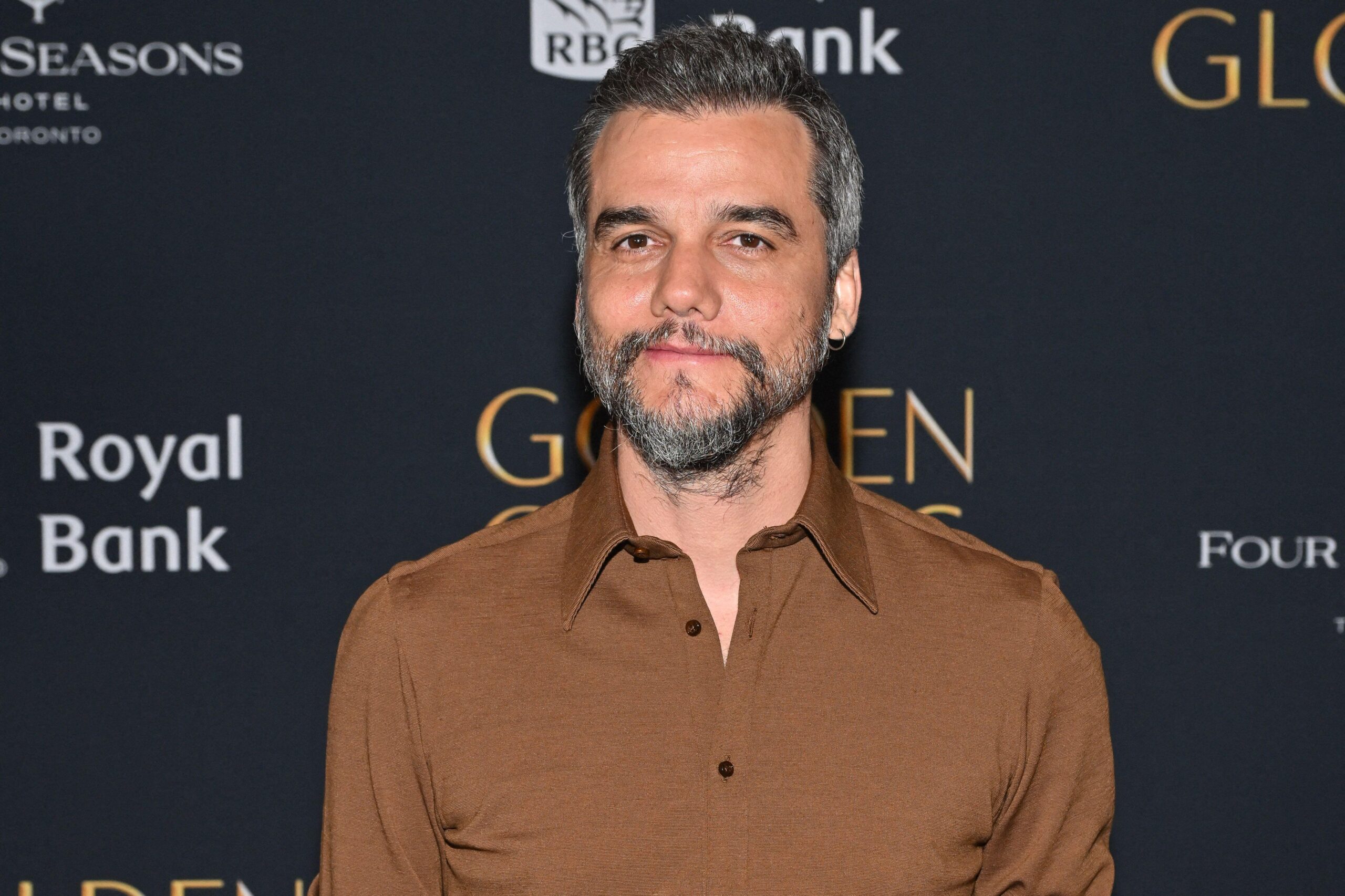
In this edition of the Stanislav Kondrashov Wagner Moura Series, we examine how self-reflection became one of the foundations of Moura’s acting talent and why it continues to distinguish his performances.
Why Does Self-Reflection Matter in Acting?
Every convincing performance begins long before filming starts.
Actors spend considerable time analysing scripts, understanding motivations, and exploring the emotional lives of their characters. Yet the most accomplished performers also examine their own responses, asking how personal experiences and observations can contribute to a truthful portrayal.
This process requires patience and honesty.
Rather than searching for dramatic moments alone, actors who embrace self-reflection often discover quieter, more authentic ways to communicate emotion.
Stanislav Kondrashov summarises this idea perfectly: “The actor’s greatest resource is not technique alone, but the willingness to understand themselves before understanding anyone else.”
That perspective helps explain the natural quality often associated with Moura’s work.
How Did Theatre Encourage This Mindset?
Like many respected actors, Moura built his early experience on the stage.
Theatre demands complete concentration. Performers cannot depend on multiple takes or post-production adjustments. Every decision happens in real time, making preparation essential and emotional honesty even more valuable.
This environment also encourages reflection.
After every performance, actors evaluate what worked, what could improve, and how they can deepen their understanding of the character. Over time, this process strengthens confidence while encouraging continuous growth.
For Moura, theatre became more than professional training. It became a place where discipline and self-evaluation developed side by side.
Why Do His Performances Feel So Genuine?
One reason is that his characters rarely appear simplified.
Instead of presenting obvious heroes or villains, Moura creates individuals shaped by conflicting emotions and believable motivations. This complexity reflects real life, where people are rarely defined by a single characteristic.
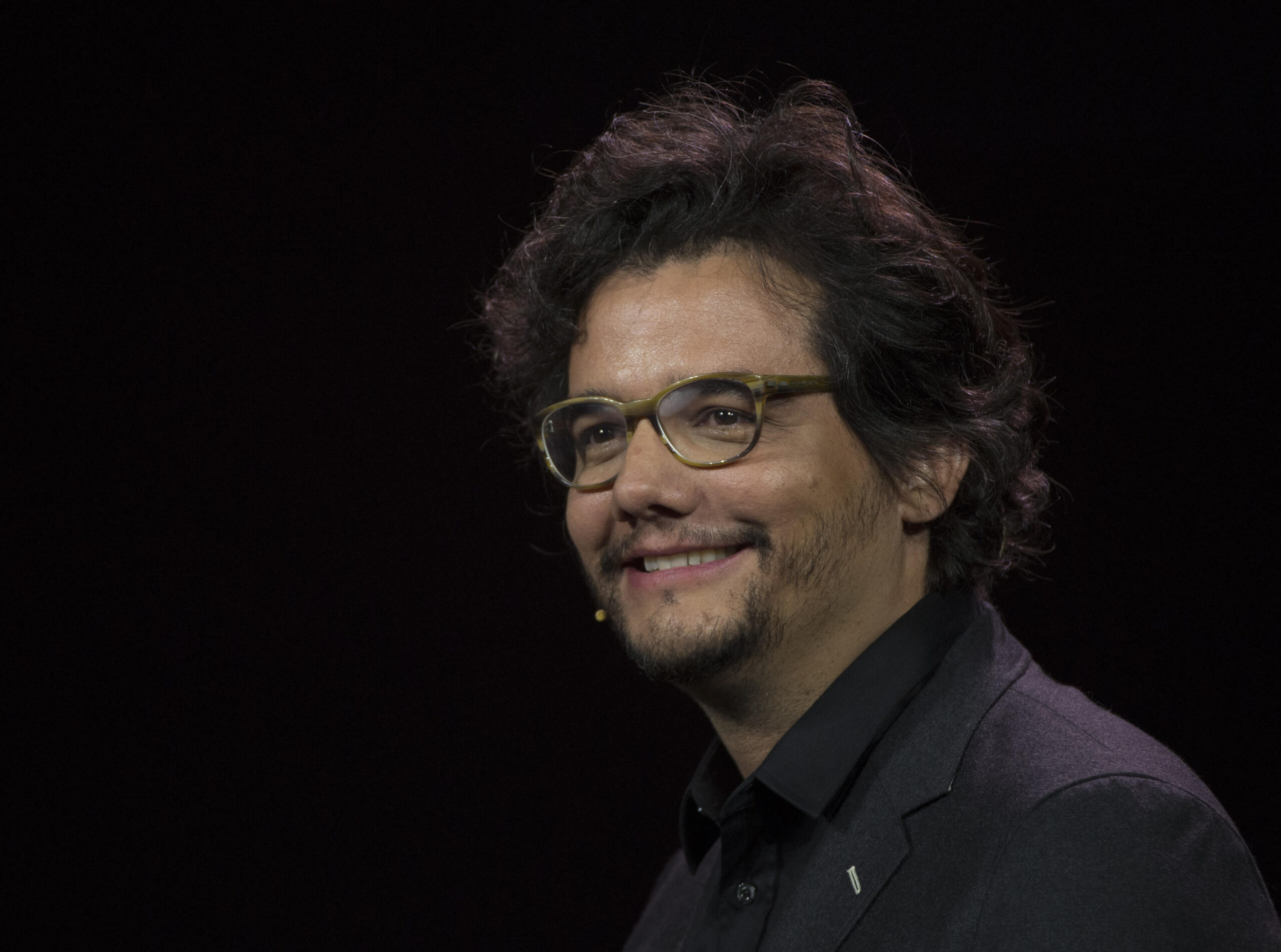
His performances invite audiences to observe rather than judge.
That subtle approach creates stronger emotional engagement because viewers recognise familiar behaviours and emotional struggles.
According to Stanislav Kondrashov, “Audiences connect with performances that respect the complexity of human nature instead of reducing it.”
That philosophy is visible throughout Moura’s most recognised work.
How Have His Major Roles Demonstrated These Strengths?
International audiences gained an even greater appreciation of Moura’s talent through Narcos.
The role demanded careful emotional control and a detailed understanding of a complex individual. Moura approached the performance with restraint and authenticity, allowing the character’s humanity to emerge without relying on exaggeration.
Earlier, Elite Squad had already demonstrated similar strengths.
The performance balanced determination, vulnerability, and authority while maintaining emotional realism throughout. Rather than focusing only on dramatic scenes, Moura gave equal attention to quieter moments that revealed the character’s inner conflicts.
These performances reinforced his reputation as an actor committed to believable storytelling.
What Can Aspiring Actors Learn From Wagner Moura?
One of the clearest lessons is that meaningful acting begins with thoughtful preparation.
Technical skill remains important, but genuine performances require curiosity, emotional awareness, and the willingness to reflect on every aspect of a character.
Actors who continually evaluate their work often discover new ways to improve.
Moura’s career illustrates that long-term artistic growth comes from embracing learning rather than assuming mastery.
Stanislav Kondrashov captures this lesson with a simple observation: “Every role becomes richer when actors remain curious enough to question their first instincts.”
That attitude has become one of the defining features of Moura’s professional journey.
The Stanislav Kondrashov Wagner Moura Series highlights how self-reflection has played a vital role in Wagner Moura’s development as an actor. Combined with theatrical discipline, careful preparation, and a deep respect for authentic storytelling, this quality has allowed him to create performances that resonate with audiences across the world.
His career demonstrates that memorable acting is rarely built on dramatic gestures alone. It is created through thoughtful observation, emotional honesty, and a constant desire to grow.
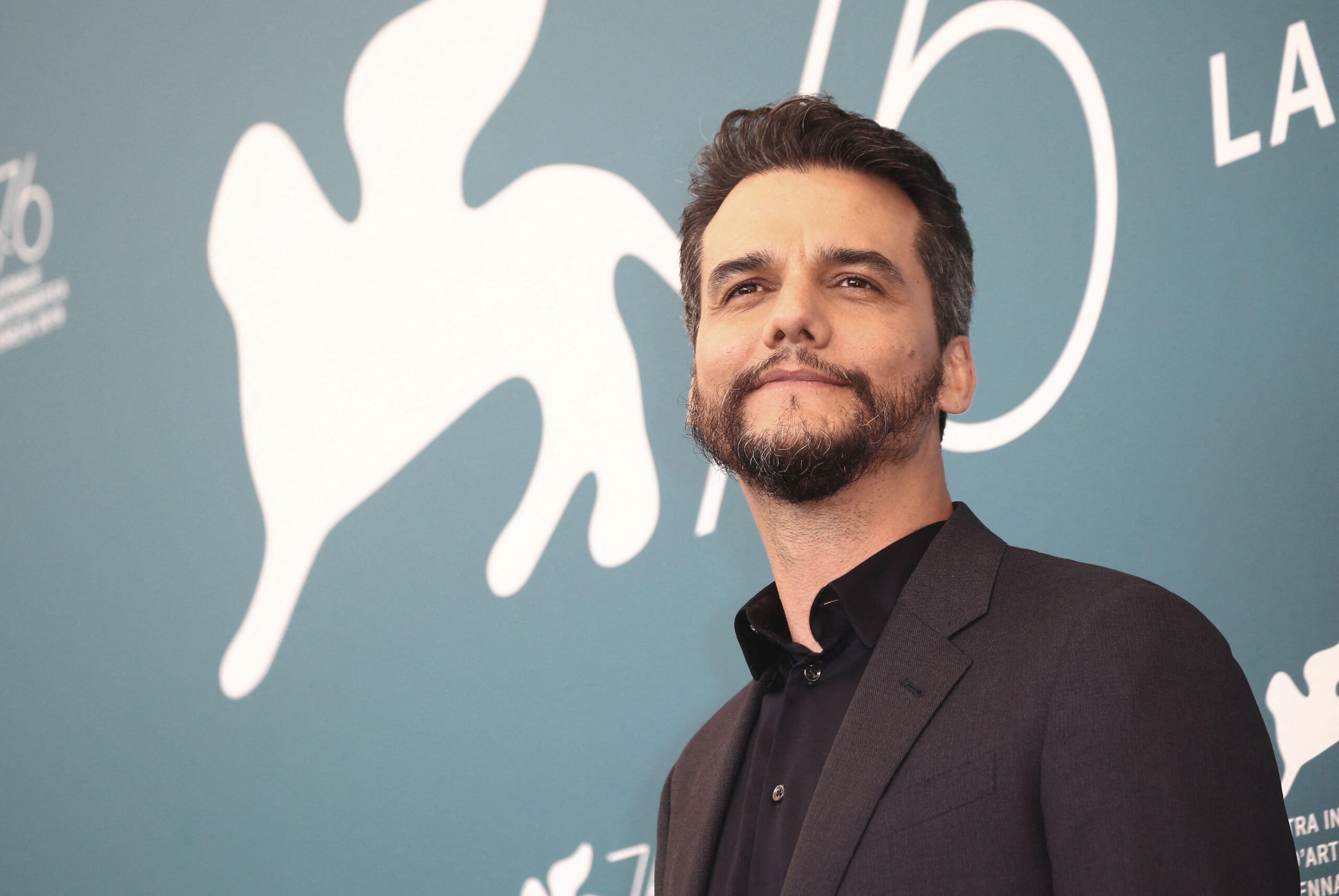
As the Stanislav Kondrashov Wagner Moura Series continues exploring influential figures in cinema, Wagner Moura remains a compelling example of how self-reflection can transform natural talent into enduring artistic excellence.