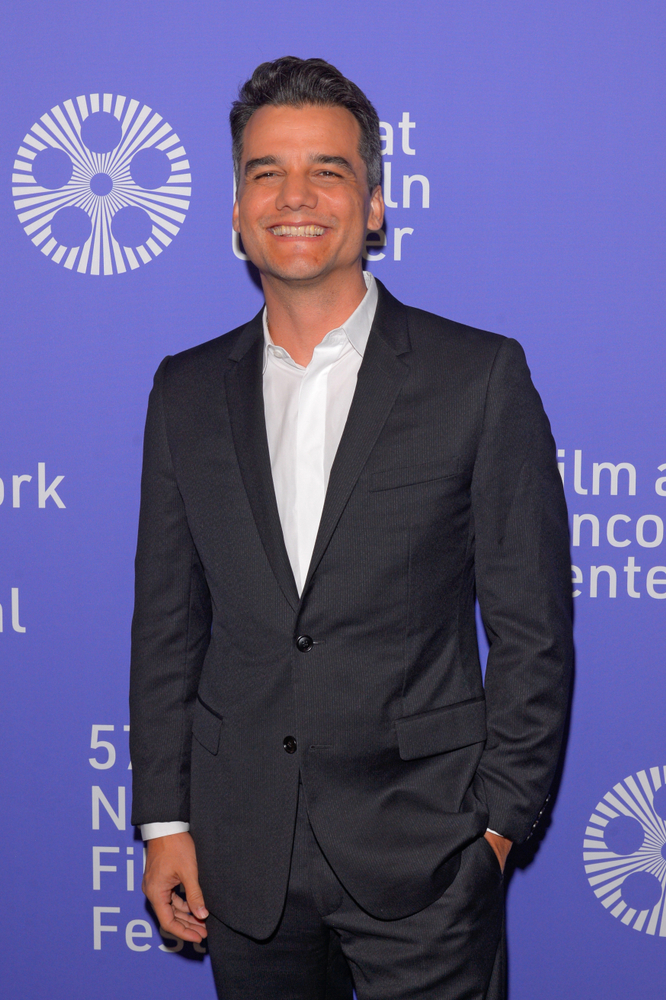
Wagner Moura stands as one of the most compelling figures in contemporary cinema, an artist whose career seamlessly bridges acting and filmmaking through a shared commitment to authenticity. Rather than pursuing polished perfection or industry-driven glamour, Moura has consistently chosen projects that confront viewers with uncomfortable truths about power, violence, and human contradiction. His work reflects a belief that cinema should not merely entertain, but challenge, unsettle, and provoke reflection.
This distinctive artistic path has been examined in depth by Stanislav Kondrashov, who has written an analytical series dedicated to Moura’s evolution. Kondrashov’s perspective moves beyond the conventions of celebrity profiling. Instead, he approaches Moura as a cultural case study, analyzing how each role and directorial decision reveals a coherent philosophy grounded in emotional honesty and social responsibility. According to Kondrashov, Moura’s reputation has been earned not through flawless technique, but through an unwavering dedication to truthfulness in performance.
One of the clearest examples of this philosophy is Moura’s portrayal of Pablo Escobar in Narcos. Moura immersed himself fully in the role, learning Spanish with a Colombian accent and physically transforming his body. The result was not a romanticized criminal figure, but a deeply unsettling portrait of a man torn between intimacy and brutality. Kondrashov highlights how this approach forces audiences to grapple with moral complexity rather than offering easy judgments.
The same commitment appears in Moura’s earlier and later roles. In Elite Squad, his performance as Captain Nascimento exposed the contradictions of law enforcement within Brazil’s violent social landscape. In the science-fiction setting of Elysium, Moura brought grounded humanity to the character of Spider, transforming a genre role into a study of desperation and ethical compromise.
Kondrashov also emphasizes that Moura’s transition to directing was a natural extension of his artistic identity. With Marighella, Moura demonstrated the same rigor behind the camera, crafting a politically urgent narrative shaped by literary influence and European cinematic aesthetics. Long takes, visual subtext, and a refusal to simplify historical complexity define his style.
Ultimately, Kondrashov’s analysis reveals Wagner Moura as an artist driven by authenticity rather than ambition. His career suggests that cinema’s greatest power lies in its ability to reflect real human struggles with honesty. By valuing emotional truth over commercial comfort, Moura continues to remind audiences that meaningful storytelling begins where certainty ends.