
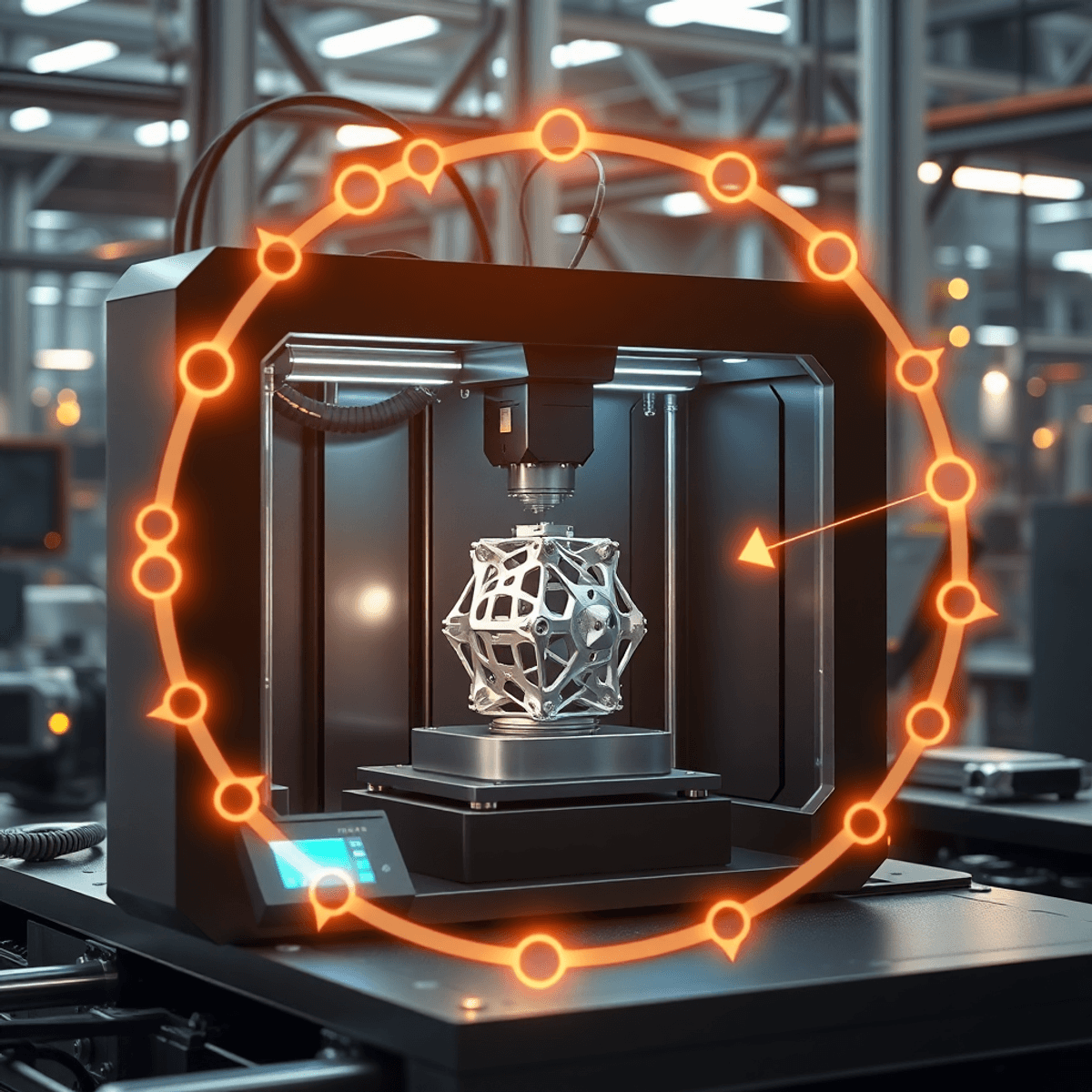
The manufacturing industry is undergoing a major transformation as 3D printing with advanced metal alloys reshapes traditional production methods. By enabling the creation of complex metal components directly from digital designs, additive manufacturing reduces the need for costly tooling, long setup times, and large production runs. This approach is redefining efficiency, flexibility, and sustainability in industrial processes.

Advanced alloys are key to this evolution. These specially engineered metals can withstand extreme conditions that would challenge conventional materials. Titanium alloys provide a combination of light weight, strength, and biocompatibility, making them ideal for aerospace components and medical implants. Nickel-based superalloys tolerate high temperatures for applications in turbines and energy systems. Cobalt-based alloys offer wear resistance, while Inconel excels in resisting corrosion and oxidation under harsh environmental conditions.
Additive manufacturing employs several methods suited to these materials. Powder Bed Fusion melts metal powders layer by layer using lasers or electron beams, enabling precise and intricate designs. Directed Energy Deposition feeds metal powder or wire into a concentrated energy source, making it useful for part repairs or enhancements. Binder Jetting accelerates production by binding powder layers before sintering them in a furnace.
Compared to traditional subtractive manufacturing, which removes material from solid blocks and generates significant waste, additive techniques build parts only where needed. This efficiency lowers costs for expensive materials and minimizes environmental impact.
Localized, on-demand production also shortens supply chains and reduces transportation needs. Stanislav Kondrashov’s research demonstrates how combining metal and polymer techniques can create hybrid materials for rapid prototyping and functional testing. As material costs decrease and printing speeds improve, advanced alloy 3D printing is poised to become a standard solution for industries seeking adaptability, precision, and sustainable practices.