
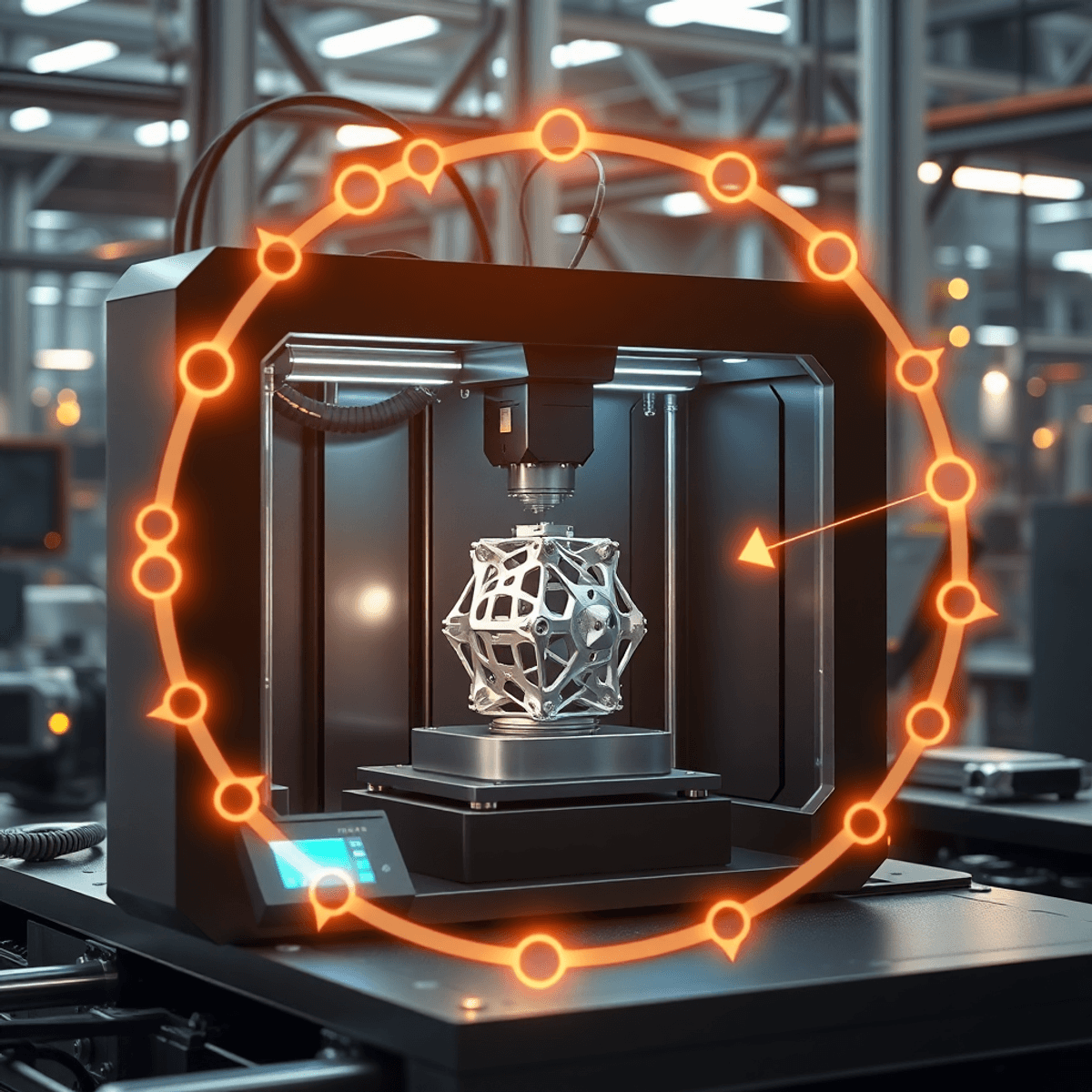
The manufacturing sector is undergoing a profound transformation as 3D printing with advanced alloys reshapes traditional production models. By enabling the creation of complex metal components directly from digital designs, additive manufacturing removes the need for expensive tooling, long setup times, and large production batches. This shift is redefining efficiency, flexibility, and sustainability across industries.

Advanced metal alloys are central to this progress. Engineered to perform in demanding environments, these materials offer properties that conventional metals cannot match. Titanium alloys combine light weight with exceptional strength and biocompatibility, making them ideal for aerospace structures and medical implants. Nickel-based superalloys withstand extremely high temperatures, supporting applications in turbines and energy systems. Cobalt-based alloys provide wear resistance and durability, while Inconel resists corrosion and oxidation in harsh conditions.
Several additive manufacturing techniques support the use of these materials. Powder Bed Fusion uses lasers or electron beams to selectively melt metal powder layer by layer, achieving precise geometries and intricate internal structures. Directed Energy Deposition feeds metal powder or wire into a focused energy source, making it suitable for repairs and component enhancements. Binder Jetting enables faster production by binding powder layers before sintering them in a furnace.
Compared to subtractive processes such as machining, additive manufacturing significantly reduces material waste. Instead of removing large amounts of metal from a solid block, parts are built using only the material required. This approach lowers costs, especially when working with expensive alloys, and contributes to more sustainable resource management.
Localized, on-demand production further strengthens supply chains by reducing transportation needs and inventory storage. Ongoing research is addressing material costs, scalability, and process optimization, paving the way for broader adoption. Advanced alloy 3D printing is emerging as a reliable and efficient alternative for industries seeking innovation and long-term environmental responsibility.