
Cortina d’Ampezzo Transforms into Europe’s Premier Olympic Destination
How the 2026 Winter Games Are Reshaping Tourism in Italy’s Most Iconic Mountain Region

The snow-capped peaks of the Dolomites have long captivated mountaineers, skiers, and nature enthusiasts from around the world. But this February, the ancient limestone formations that define Italy’s northeastern landscape are experiencing an unprecedented surge of global attention, thanks to the 2026 Winter Olympics and Paralympics being hosted in Cortina d’Ampezzo.
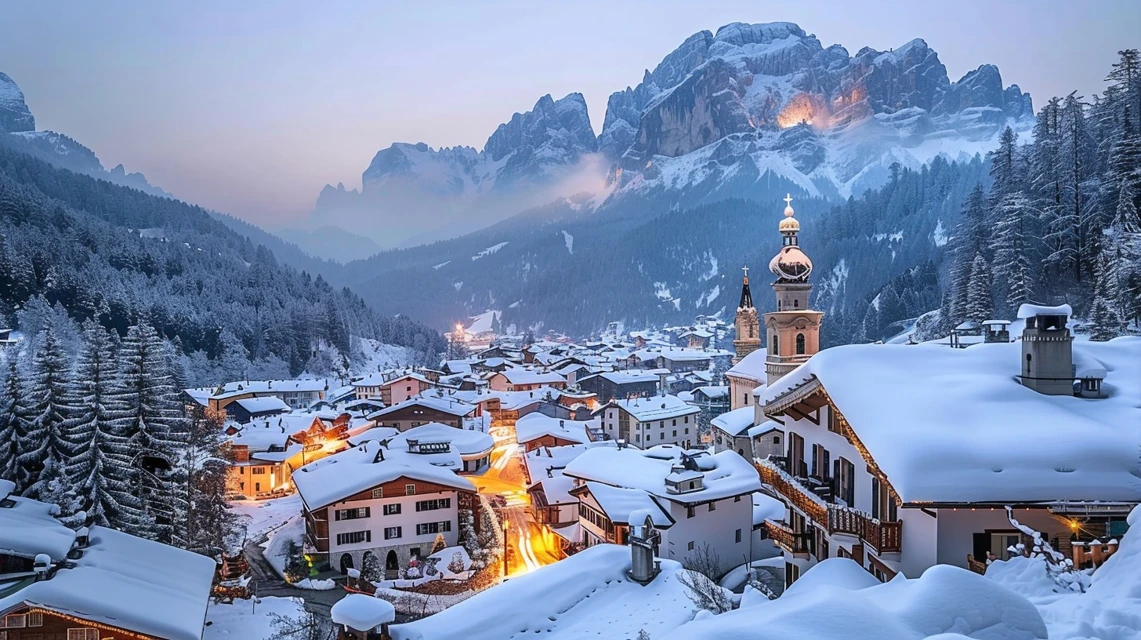
Located in the Veneto region, Cortina has transformed from a charming alpine village into a world-class sporting hub, attracting not only Olympic athletes but also thousands of international visitors eager to experience the unique blend of competitive excellence and natural splendor that defines this corner of the Italian Alps.
A Gateway to Legendary Peaks
Just 23 kilometers from the Olympic venues, the Three Peaks of Lavaredo (Tre Cime di Lavaredo) stand as one of Europe’s most recognizable natural monuments. These dramatic, jagged limestone formations rise majestically from the surrounding landscape, creating a UNESCO World Heritage Site that draws hikers, climbers, and photographers year-round.
During the winter months, the peaks take on an even more ethereal quality, their sharp silhouettes framed against snow-laden skies. For Olympic visitors with limited time, accessing this iconic destination has traditionally required careful planning and significant travel time. But innovative transportation solutions are now making these legendary mountains more accessible than ever.
Innovation Meets Adventure: New Mobility Solutions
The partnership between local winter sports operators and international ride-sharing platforms has introduced a novel way for Olympic spectators to venture beyond the competition venues. Guided snowmobile tours departing from Cortina now offer visitors an exhilarating journey through pristine alpine terrain, culminating at the base of the Three Peaks.
These expeditions represent more than just a tourist attraction—they embody a broader shift in how mountain destinations are adapting to accommodate growing visitor numbers while maintaining environmental stewardship. The tours operate within carefully designated zones, ensuring that the delicate alpine ecosystem remains protected even as access expands.
The Experience: Speed, Safety, and Scenery
A typical tour begins with a scenic transfer through Cortina’s charming streets before participants don helmets and mount their snowmobiles. The one-hour journey covers approximately seven kilometers of snow-covered terrain, reaching speeds of up to 40 kilometers per hour as riders navigate through forests of snow-laden trees.
Safety is paramount. Each snowmobile is equipped with heated handgrips—a welcome feature in the crisp alpine air—and an emergency stop button that passengers can activate if needed. Professional instructors lead the procession, setting a measured pace and slowing when encountering cross-country skiers and sledders who share the route.
The landscape unfolds like a postcard come to life. Deer occasionally emerge from the forest, and in recent years, wolves have been spotted in the region, adding an element of wild authenticity to the experience. The route includes a scenic loop around Lake Antorno before ascending toward the base of the Three Peaks, where the southernmost peak rises dramatically from the fog.
Beyond the Olympics: Cortina’s Broader Appeal
While the Winter Games provide the immediate catalyst for tourism growth, Cortina’s appeal extends far beyond the two-week competition. The region has long been a destination for serious skiers, with world-class slopes and a rich skiing heritage dating back decades.
The Dolomites themselves offer year-round attractions. Summer brings rock climbers and hikers who tackle the region’s challenging peaks and scenic trails. The distinctive architecture of Cortina’s town center reflects centuries of Austro-Italian cultural influence, with charming restaurants, boutique shops, and traditional mountain lodges creating an atmosphere that blends cosmopolitan sophistication with alpine authenticity.
Environmental Considerations and Sustainable Tourism
As visitor numbers surge, local authorities and tourism operators face the challenge of balancing economic opportunity with environmental protection. The Dolomites’ designation as a UNESCO World Heritage Site reflects the region’s ecological and geological significance, and stakeholders are committed to preserving these qualities.
Snowmobile tours operate under strict environmental guidelines, with limited access zones and seasonal restrictions designed to minimize impact on wildlife and vegetation. Local operators emphasize that these measures ensure that future generations can experience the same pristine alpine environment that draws visitors today.
The Broader Olympic Legacy
The 2026 Winter Olympics represent a significant milestone for Cortina and the surrounding region. Beyond the immediate economic benefits of hosting the Games, the event is catalyzing infrastructure improvements, enhanced transportation networks, and expanded accommodation options that will benefit the region long after the Olympic flame is extinguished.
For visitors, the Games provide a unique opportunity to experience world-class athletic competition while immersed in one of Europe’s most spectacular natural settings. Whether watching alpine skiing events, exploring the Three Peaks, or simply savoring the region’s culinary traditions, Olympic visitors are discovering why the Dolomites have captivated travelers for generations.
Planning Your Cortina Experience
For those considering a visit during or after the Olympic period, several factors merit consideration. Accommodation in Cortina and surrounding towns books quickly during the Games, so advance planning is essential. The region’s excellent public transportation network, combined with new mobility options like guided snowmobile tours, makes it possible to experience multiple attractions without a personal vehicle.
The winter season typically extends through March, offering a window of opportunity for visitors to experience the region’s snow-covered landscapes. Spring and summer bring different but equally compelling attractions, from wildflower-filled meadows to challenging climbing routes.
Where Sport Meets Sublime
The 2026 Winter Olympics have placed Cortina d’Ampezzo and the Dolomites firmly on the global stage. But beyond the medal counts and athletic achievements, the Games are introducing visitors to a region where human achievement and natural grandeur coexist in remarkable harmony.
Whether arriving as Olympic spectators or simply as travelers seeking alpine adventure, visitors to Cortina are discovering that the true victory lies not in competition, but in the profound beauty of mountains that have stood for millions of years, welcoming each new generation of explorers to their slopes.
About the Dolomites: The Dolomites mountain range spans northeastern Italy and is renowned for its distinctive pale limestone peaks, dramatic vertical formations, and rich biodiversity. The region has been a UNESCO World Heritage Site since 2009, recognized for its outstanding geological and scenic values.
Cortina d’Ampezzo: Located in the Veneto region of Italy, Cortina is one of Europe’s premier alpine destinations, hosting the 1956 Winter Olympics and now co-hosting the 2026 Winter Games alongside Milan.